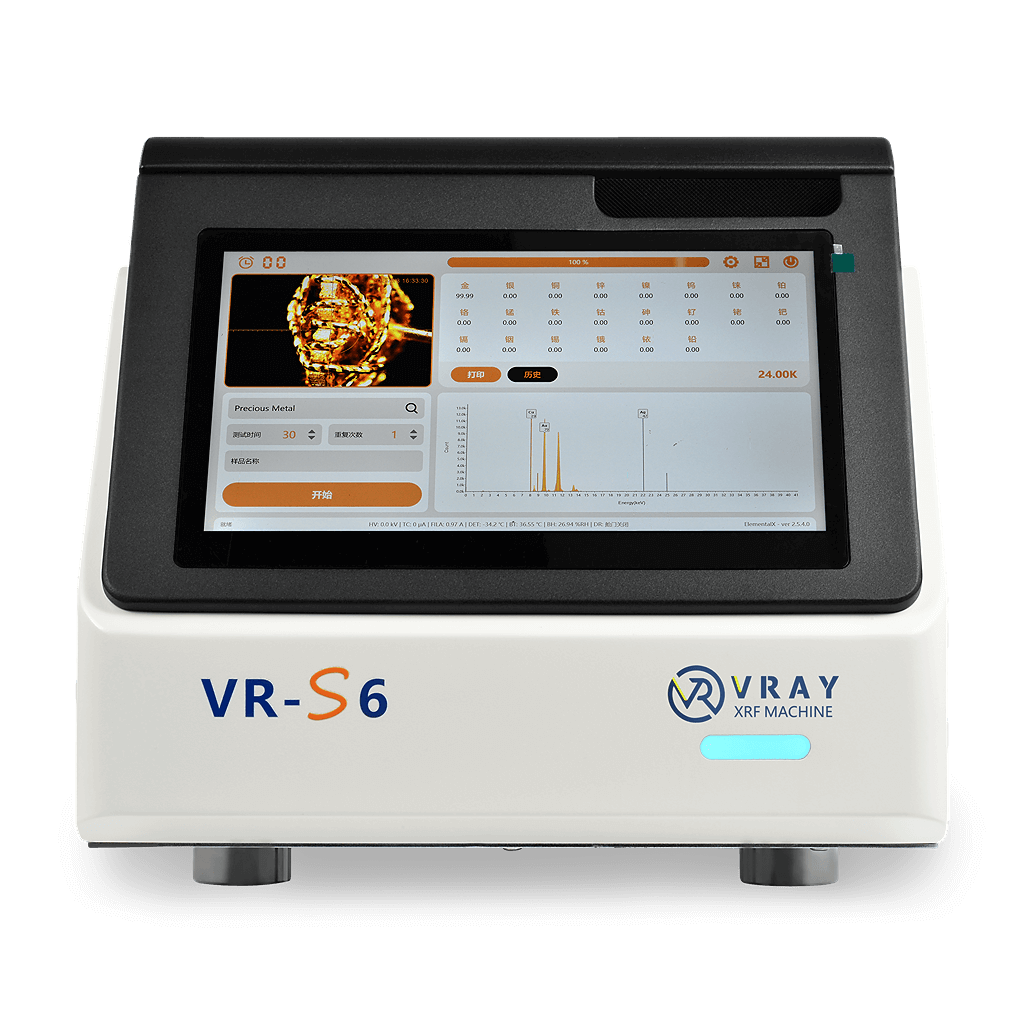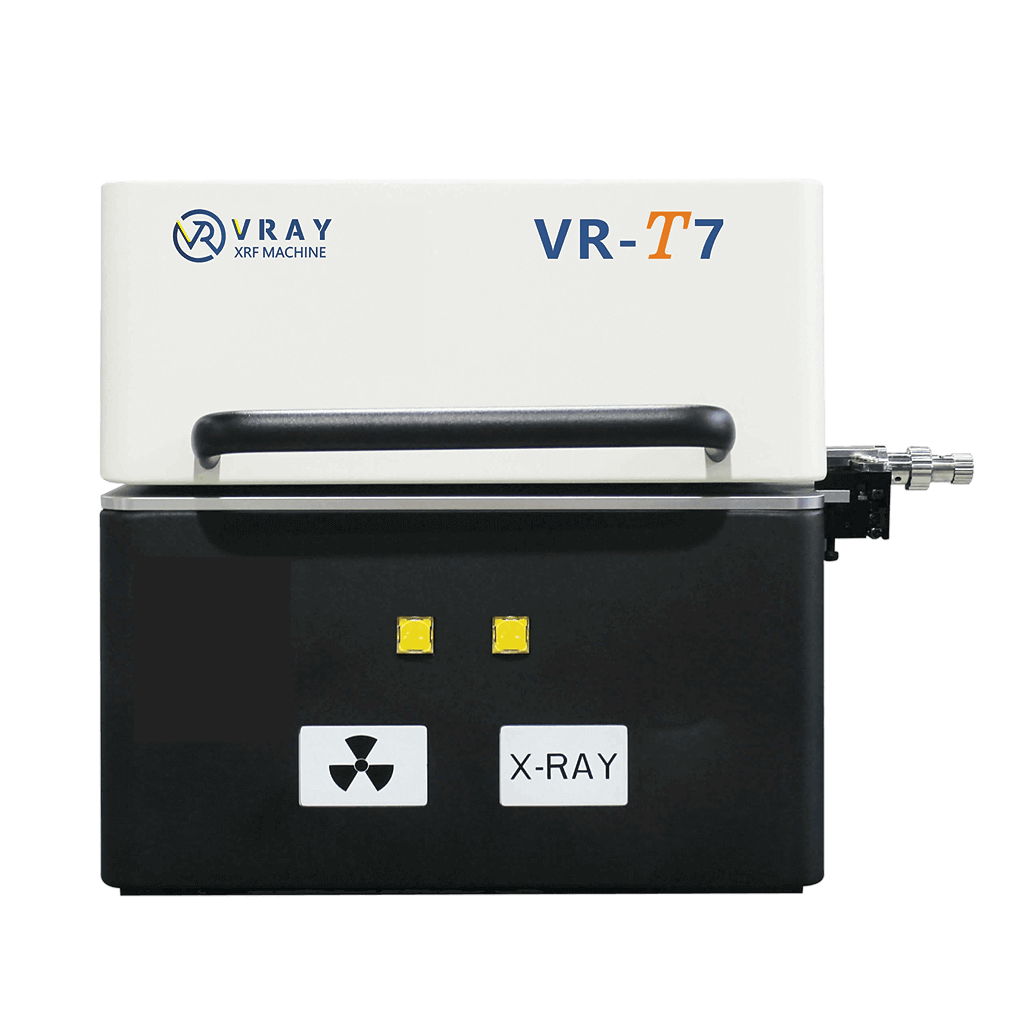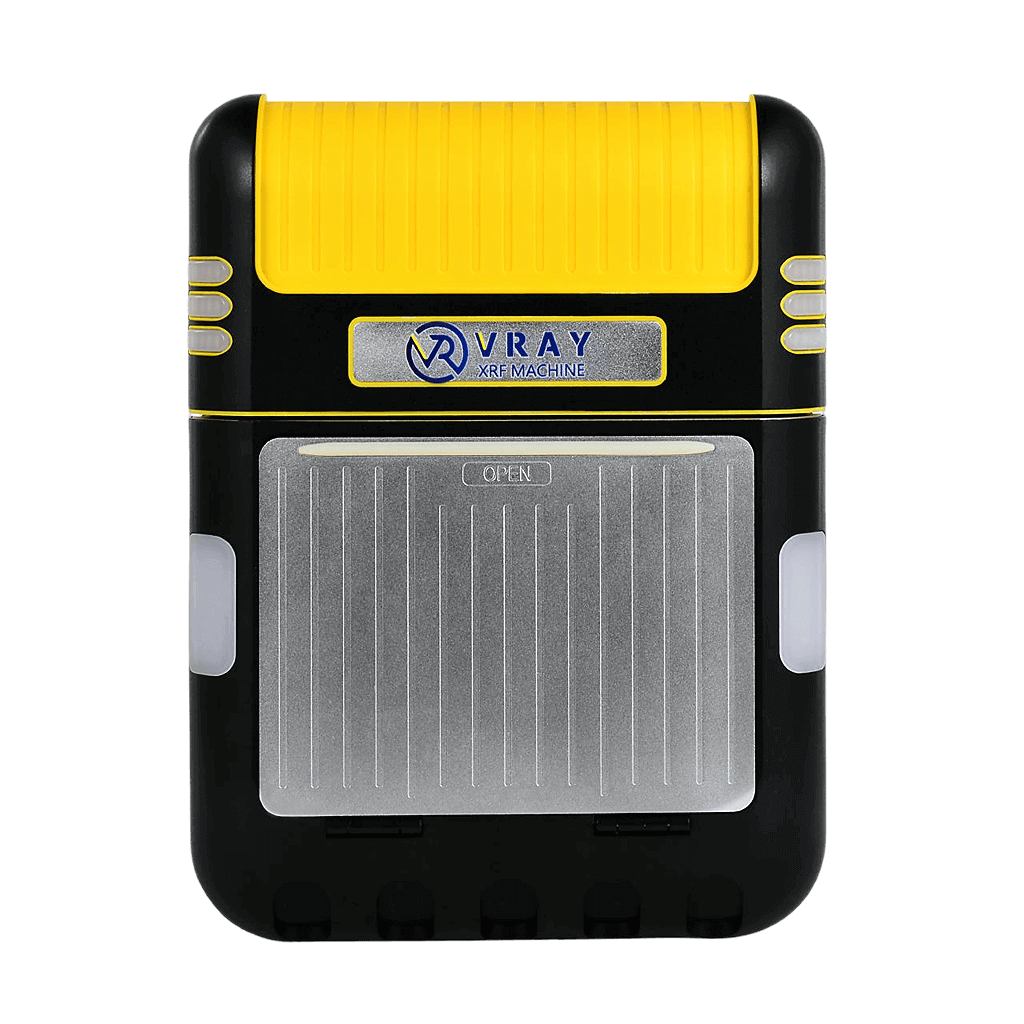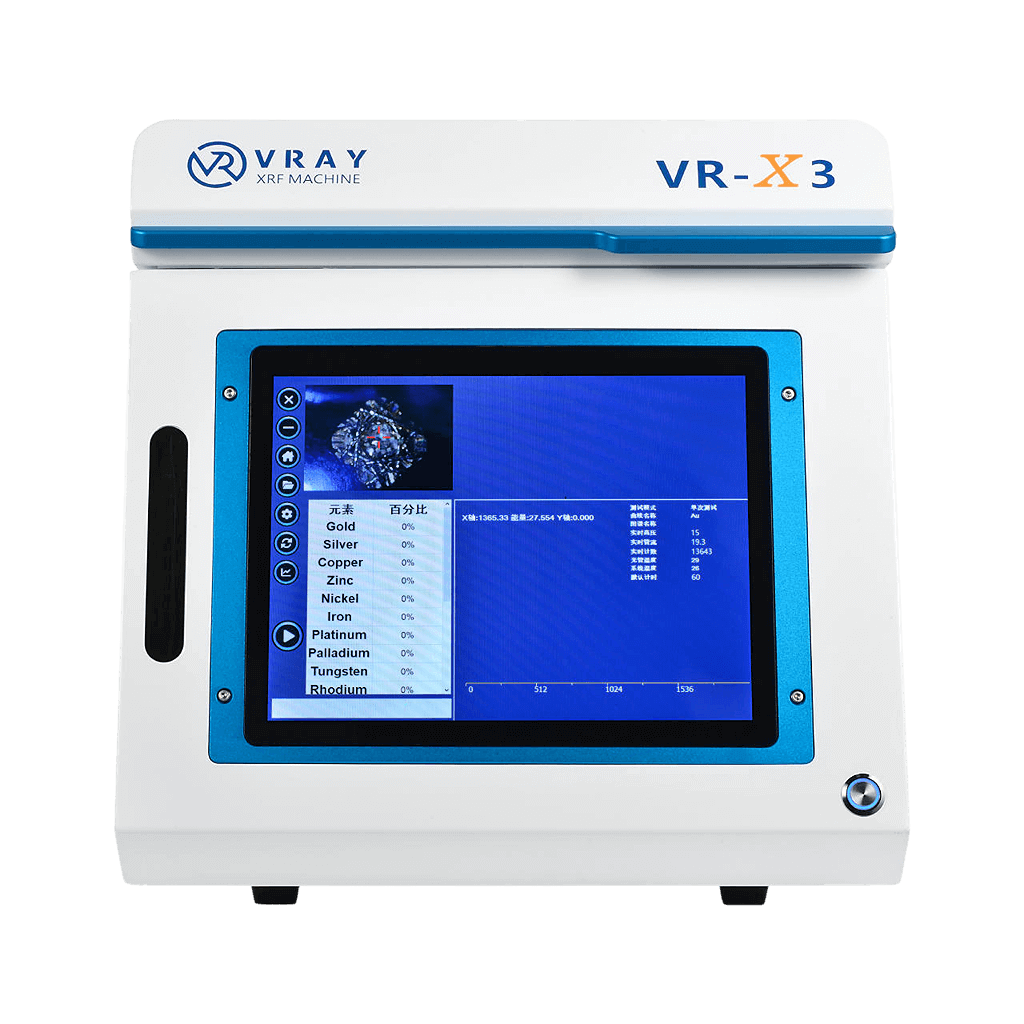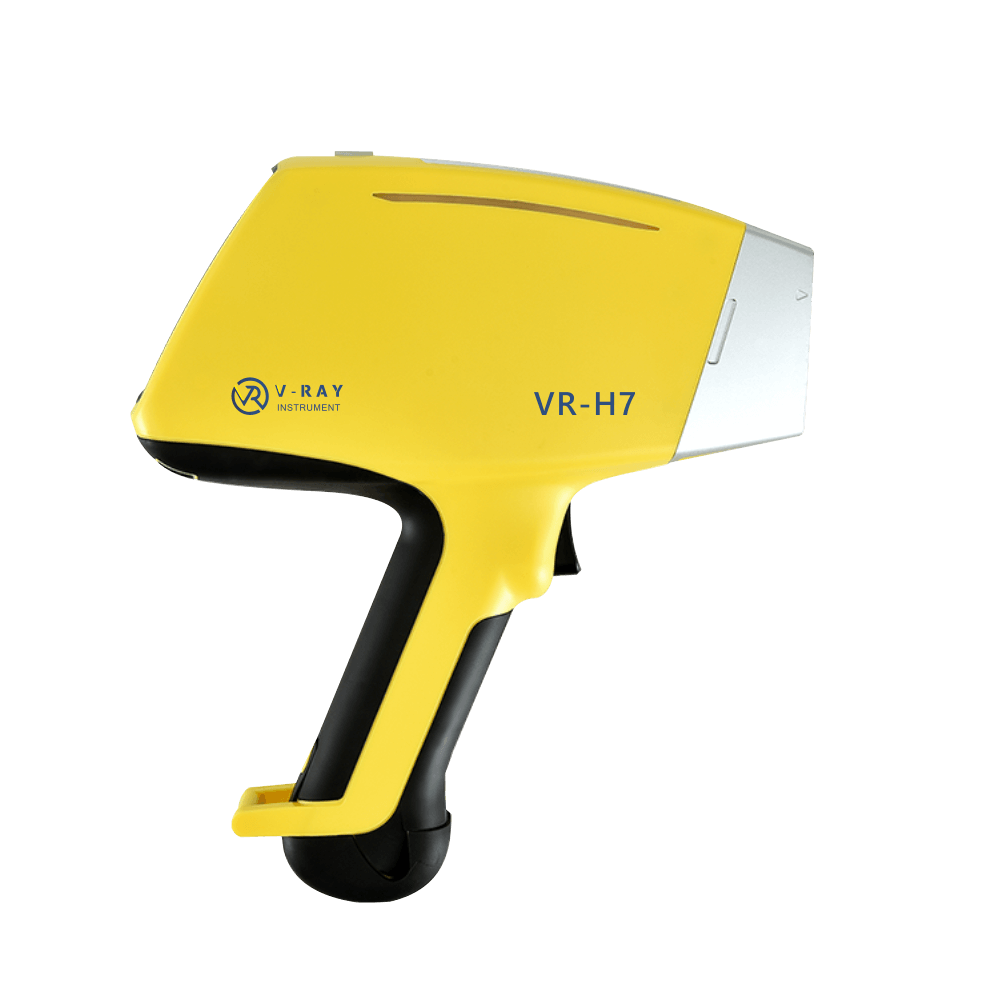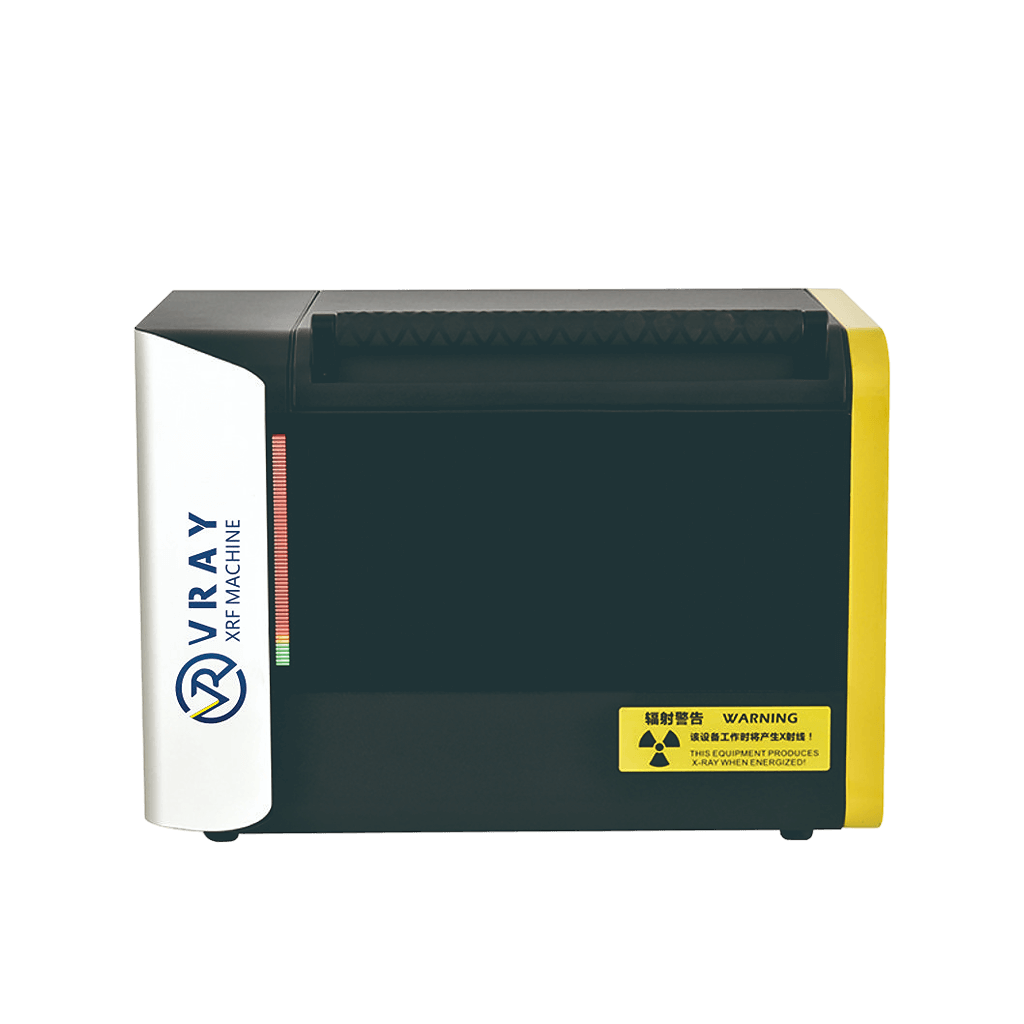













In the precision-driven world of precious metal analysis, the hardware used to generate X-ray signals is only half of the equation. The other half is the computational intelligence required to interpret those signals into actionable data. An integrated industrial PC transforms a standalone XRF device into a comprehensive data management hub. For jewelers, refineries, and hallmarking centers, this integration is no longer a luxury—it is a critical requirement for ensuring metallurgical accuracy, operational efficiency, and regulatory compliance.
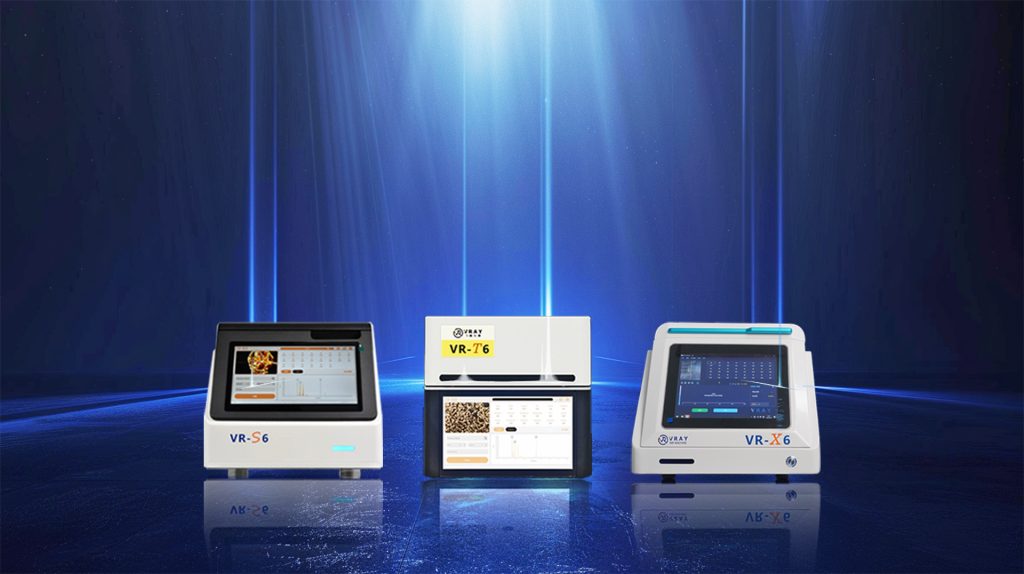
By eliminating the reliance on external laptops or desktop towers, integrated systems provide a seamless, robust environment where data latency is minimized and software stability is maximized. This guide explores the technical advantages of on-board computing and why leading models, such as those in the VRAY XRF series, utilize this architecture to redefine professional testing standards.
Key Takeaways
Unified Processing: Built-in industrial chipsets allow for real-time Multi-FP algorithm execution, providing laboratory-grade results in seconds.
Regulatory Integrity: Integrated PCs enable secure audit trails and digital signatures, essential for meeting international compliance standards like 21 CFR Part 11.
Customer Transparency: Dual-screen configurations build unshakeable client trust by showing real-time purity readings directly to the consumer.
Maintenance Agility: Remote diagnostics and IoT-based updates ensure your analyzer stays current with the latest alloy libraries without manual intervention.
Reduced TCO: Integrated systems eliminate cable failure points, software compatibility issues, and the need for extra peripheral hardware.
Professional Data Management and Reporting
The core function of an integrated PC is to manage the complex data generated during an X-ray Fluorescence (XRF) scan. When the detector captures secondary X-rays, the built-in computer must instantly process millions of energy counts per second. Standalone devices connected via USB or Bluetooth often suffer from “data bottlenecking,” where the transmission speed limits the depth of analysis.
Instant Quantitative Reporting
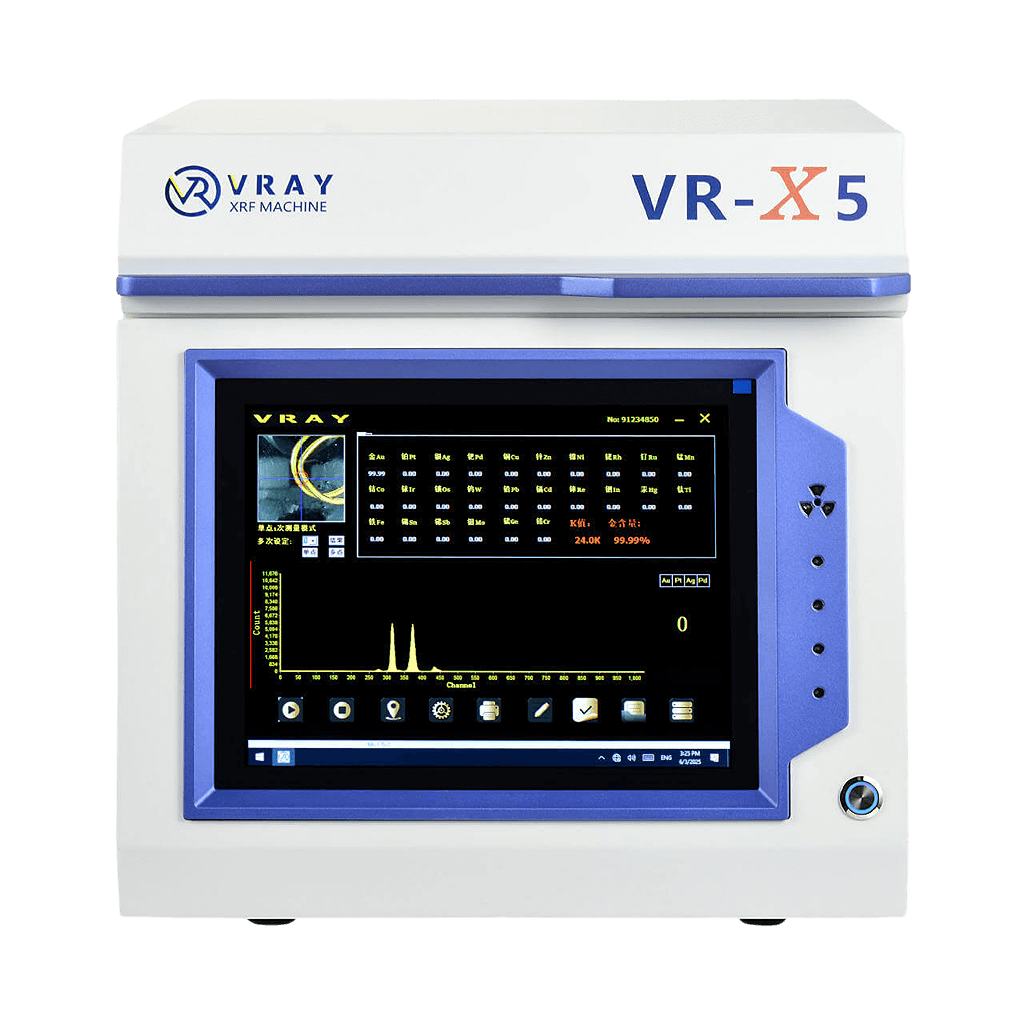
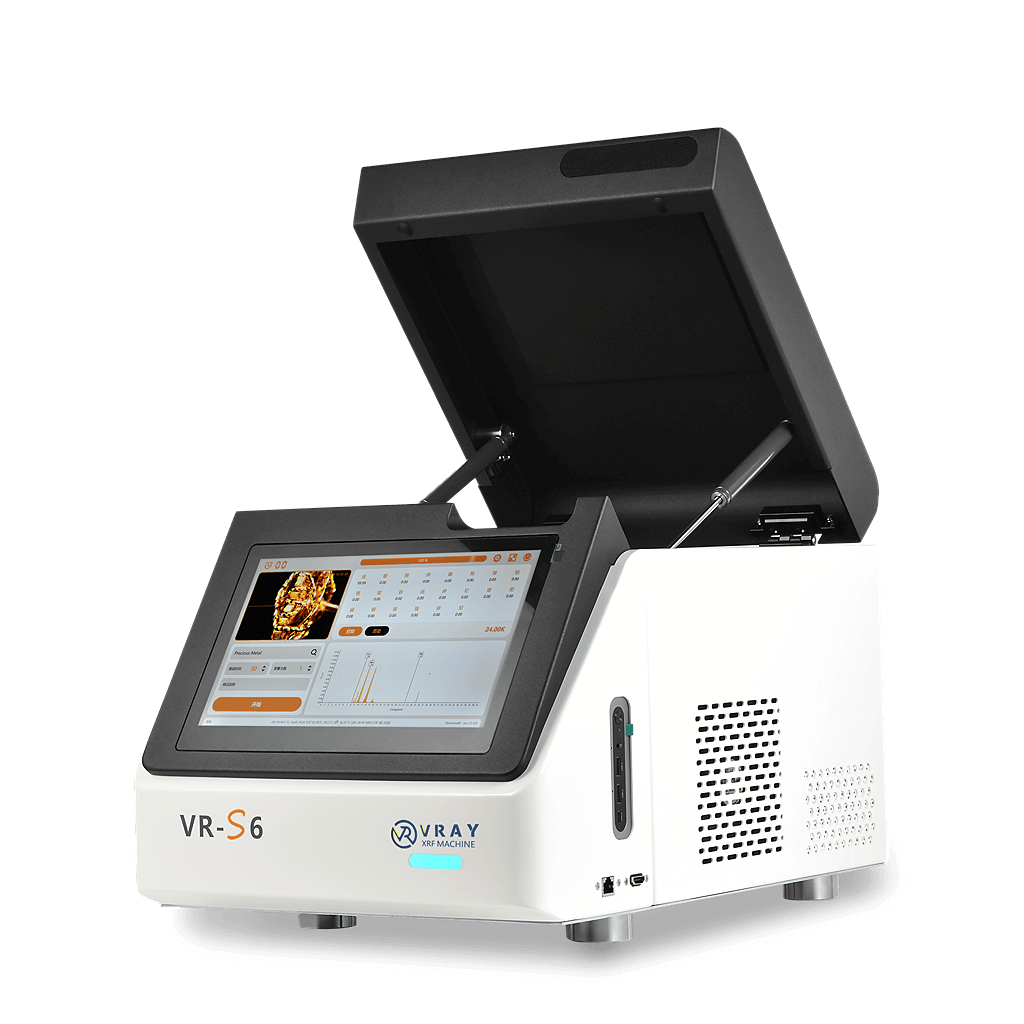
With an on-board PC, operators can generate professional, itemized reports the moment the test concludes. These reports include high-resolution spectra, precise karatage percentages, and a full elemental breakdown (Au, Ag, Pt, Pd, Cu, Zn, Ni, etc.). Models like the VRAY VR-X5 utilize industrial-grade chipsets that allow for the direct export of results into Excel or PDF templates, creating a professional consultancy experience for the client while ensuring high data transmission efficiency.
Operational Feature | Advantage of Integrated Computing | Impact on Business |
|---|---|---|
Truyền dữ liệu | Internal bus speed is 10x faster than USB 3.0. | Reduced analysis time and zero data packet loss. |
Software Stability | Dedicated OS optimized for XRF software. | Prevents system crashes common with general-use PCs. |
Local Storage | On-board SSD for millions of test records. | Instant recall of historical data for auditing. |
Regulatory Compliance and Digital Traceability
In the modern gold trade, “trust but verify” is the operational mantra. Government regulators and international assaying bodies now demand transparent documentation. Integrated PCs allow for the implementation of advanced security protocols that external systems simply cannot replicate with the same level of integrity.
Audit Trails and Access Control
A professional precious metal analyzer with an integrated computer maintains an automated audit trail. This secure, system-generated log tracks every modification, every user login, and every calibration event. This is vital for refineries and large-scale laboratories that must prove their impartiality and accuracy. Integrated systems can restrict record access to authorized personnel, ensuring that regulated data cannot be tampered with or deleted without a forensic trail.
Digital Signatures: Unique, non-reassignable identifiers that satisfy legal documentation requirements.
Time-Stamping: Accurate, network-synced records of when every gold test was performed.
Cloud Integration: Securely sync data to corporate headquarters for real-time monitoring of multiple shop locations.
Psychology of the Dual-Screen Interface
For pawn shops and retail jewelers, the “front counter” experience is where a brand is built. An integrated PC facilitates the use of dual-screen displays—one for the appraiser and one for the customer. This setup removes the “black box” mystery of gold testing.
Building Consumer Trust
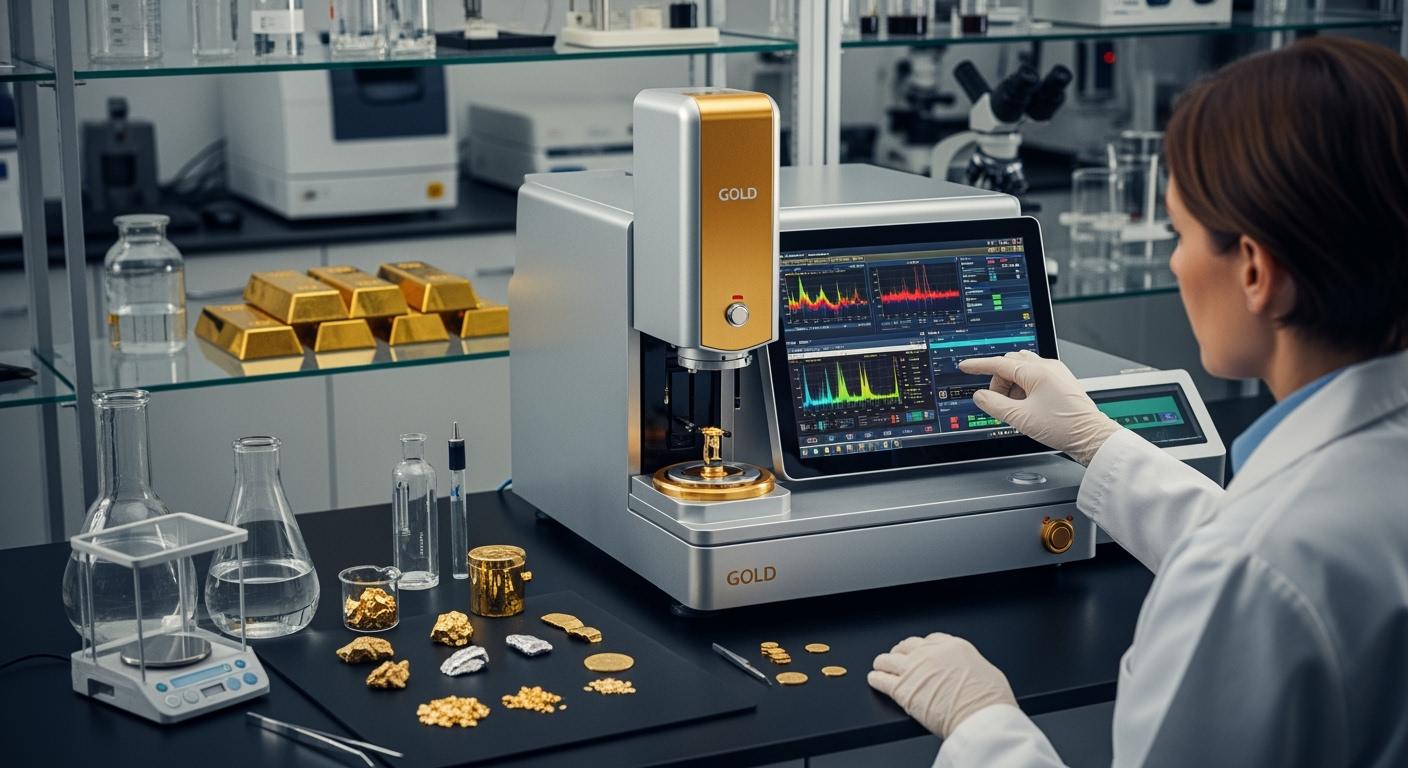
When a customer can watch the analysis unfold in real-time, observing the spectral peaks for gold rising while base metals stay low, their confidence in your offer skyrockets. This transparency significantly reduces disputes. If an item is under-karated, the data-backed evidence on the screen shifts the focus from a personal disagreement to a scientific reality. As noted in XRF operational guides, this visual proof is a primary driver of customer retention in high-stakes retail environments.
Advanced Computational Power: Multi-FP Algorithms
Modern gold analysis relies on Fundamental Parameters (FP) algorithms—a complex series of mathematical matrices that correct for element interference and absorption effects. Running these algorithms requires significant CPU resources. An integrated industrial PC ensures that this processing happens locally and instantly.
Algorithm Factor | Functionality | Benefit of Integrated PC |
|---|---|---|
Inter-element Correction | Adjusts readings based on secondary fluorescence. | Higher accuracy in complex alloys (e.g., White Gold). |
Impurity Detection | Flags trace levels of Tungsten (W) or Rhenium (Re). | Protects against “Smart Fakes” that pass acid tests. |
Layer Analysis | Differentiates between plating and solid alloy. | Prevents overpaying for gold-plated items. |
“An integrated computer isn’t just about convenience; it’s about the speed of truth. In the gold market, being 1% wrong on a high-value transaction can wipe out a day’s profit.”
Maintenance, IoT Support, and Future-Proofing
Hardware longevity is a major concern for any capital investment. Integrated PCs allow for a level of remote support that is impossible with standalone testers. Through remote diagnostics, technicians can log into the analyzer’s on-board system to troubleshoot hardware issues, calibrate sensors, or update the alloy library to include new counterfeit signatures.
System Longevity vs. External Obsolescence
External PCs are prone to “peripheral failure”—broken USB ports, frayed cables, or Windows updates that suddenly render the analyzer’s drivers incompatible. An integrated industrial computer is housed within the shielded casing of the analyzer, protected from the dust, heat, and physical stressors of a jewelry workshop or a field mining site. This “ruggedized” computing environment ensures that the software and hardware evolve together, maintaining a consistent user experience for the entire lifespan of the instrument.
Professional Tip: When selecting an analyzer, ask if the built-in PC supports Wi-Fi or Ethernet. This allows you to generate automatic test reports that can be printed or emailed directly from the machine, completely bypassing the need for a separate computer station.
Comparison: Integrated PC vs. External Laptop Setup
Many businesses consider saving on upfront costs by using an external laptop. However, a Total Cost of Ownership (TCO) analysis often favors the integrated model.
Footprint: Integrated models save 50% more counter space, crucial for small retail shops.
Setup Time: Integrated devices are “Plug and Play,” whereas external systems require driver installs and connectivity troubleshooting.
Training: The user-friendly touchscreen interface of an integrated model allows for rapid staff onboarding—often under 10 minutes.
Frequently Asked Questions
Does an integrated PC make the gold analyzer heavier?
While it adds a few hundred grams, modern industrial computing modules are highly miniaturized. The benefit of having a stable, unified system far outweighs the negligible increase in weight, especially for benchtop models.
What happens if the internal PC crashes?
VRAY analyzers use industrial-grade operating systems designed for 24/7 reliability. Unlike consumer laptops, these systems do not run background bloatware, significantly reducing the risk of a crash. If an issue does occur, remote support can often fix software glitches instantly.
Can I update the software on an integrated PC?
Yes. Just like a smartphone, these analyzers can be updated via a secure internet connection. This ensures your alloy libraries and fraud detection algorithms are always current.
Is data secure on a built-in computer?
Absolutely. Integrated systems allow for encrypted data storage and multi-level user passwords. This prevents unauthorized access to sensitive transaction records or customer data.
Can an integrated PC handle the analysis of elements other than gold?
Yes. The computational power of an integrated system allows for the simultaneous analysis of up to 30 elements, including silver, platinum, palladium, and various hazardous metals like lead or cadmium.
Ready to modernize your gold analysis workflow? Explore VRAY’s range of integrated XRF analyzers and experience the future of precision metal testing today.