
















Key Takeaways
Economic Risk: Record-high gold prices in 2026 have led to a 10% surge in sophisticated counterfeits, including tungsten-core and rhenium-contaminated items.
Hallmark Deceptions: Look for “925” (Vermeil) or codes like GP, GF, and GEP which indicate the item is not solid gold despite purity markings like 14K or 18K.
Tungsten Danger: Modern fakes use tungsten cores (density 19.25 g/cm³) to perfectly mimic the weight of pure gold (19.30 g/cm³), bypassing the “heft test.”
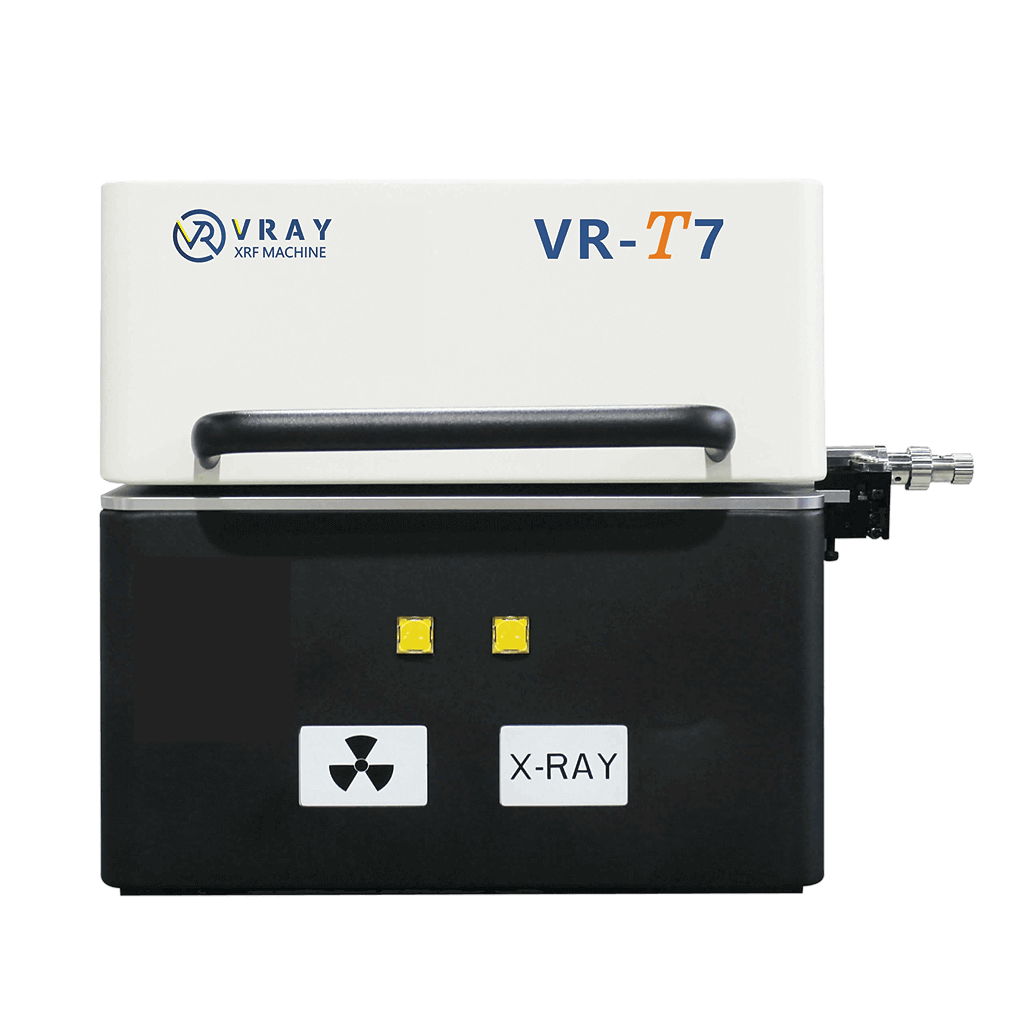
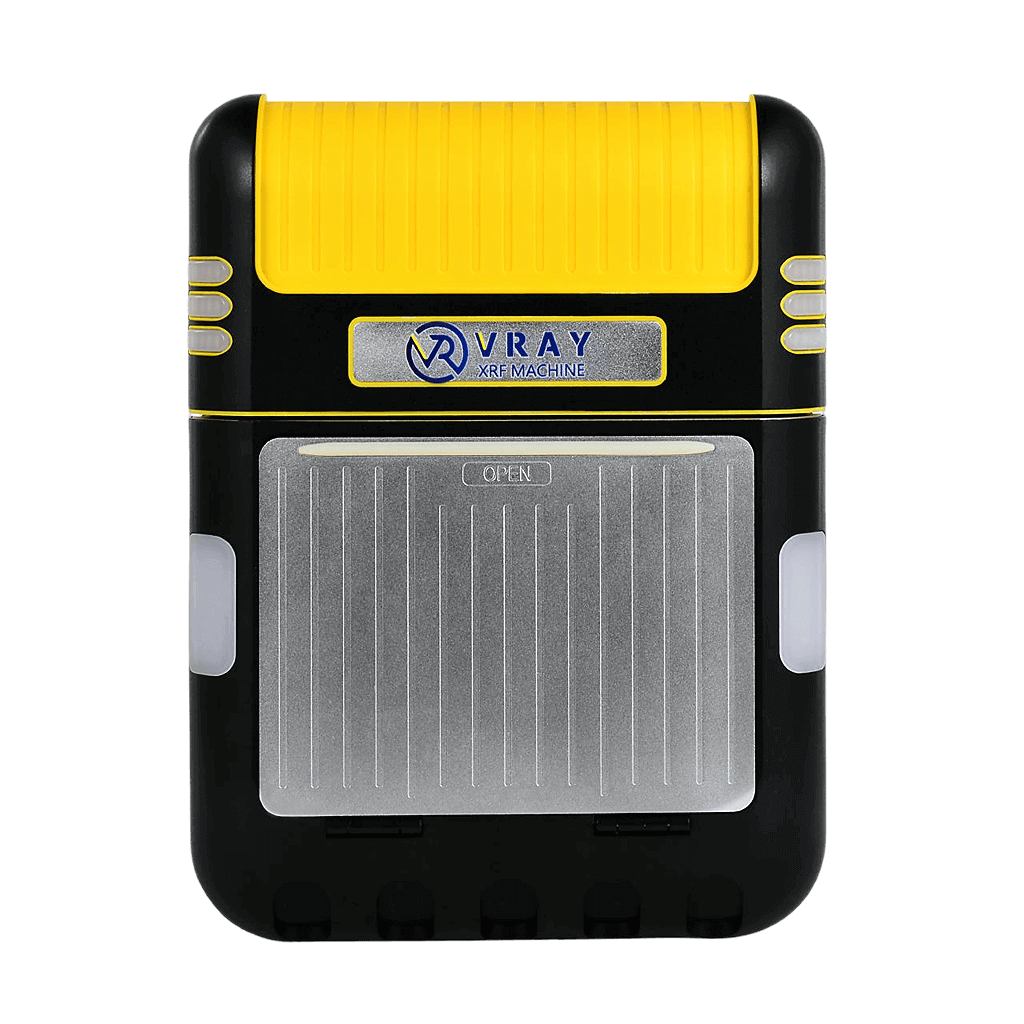
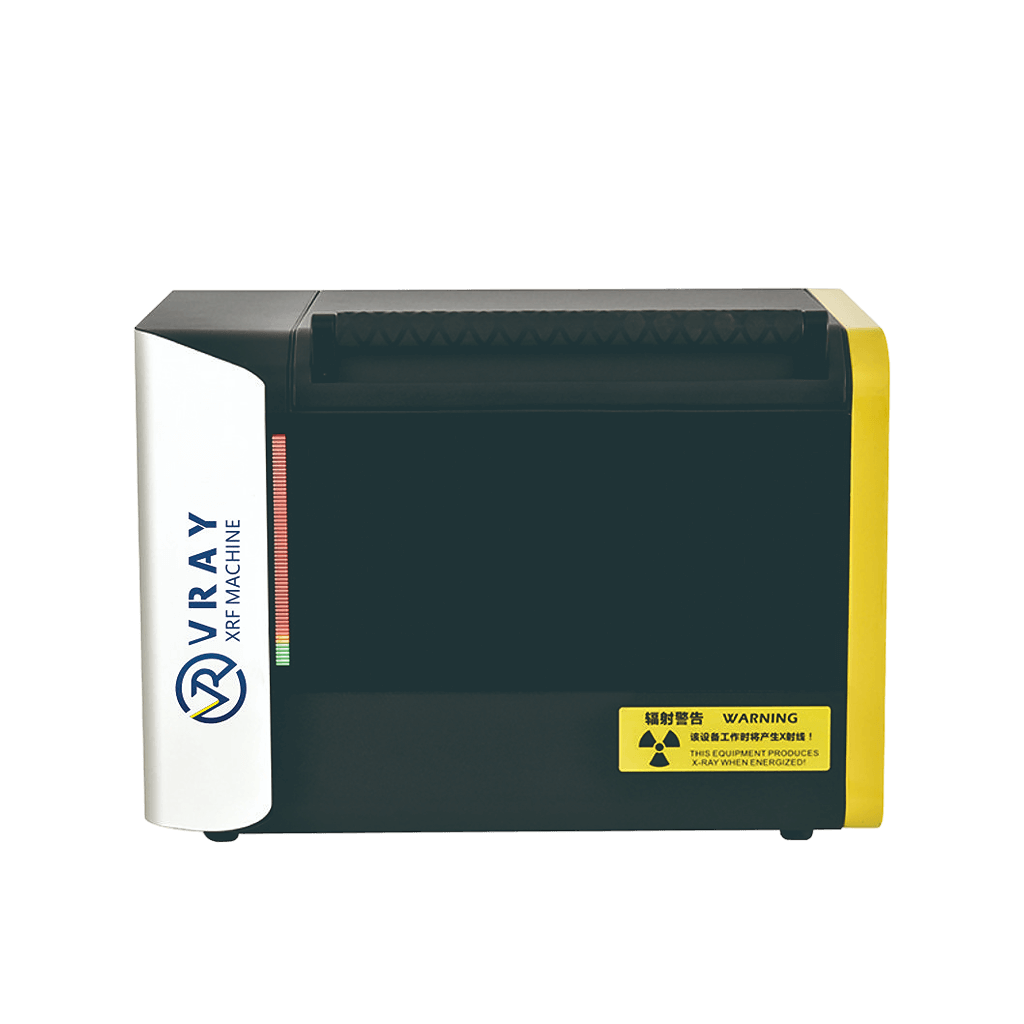
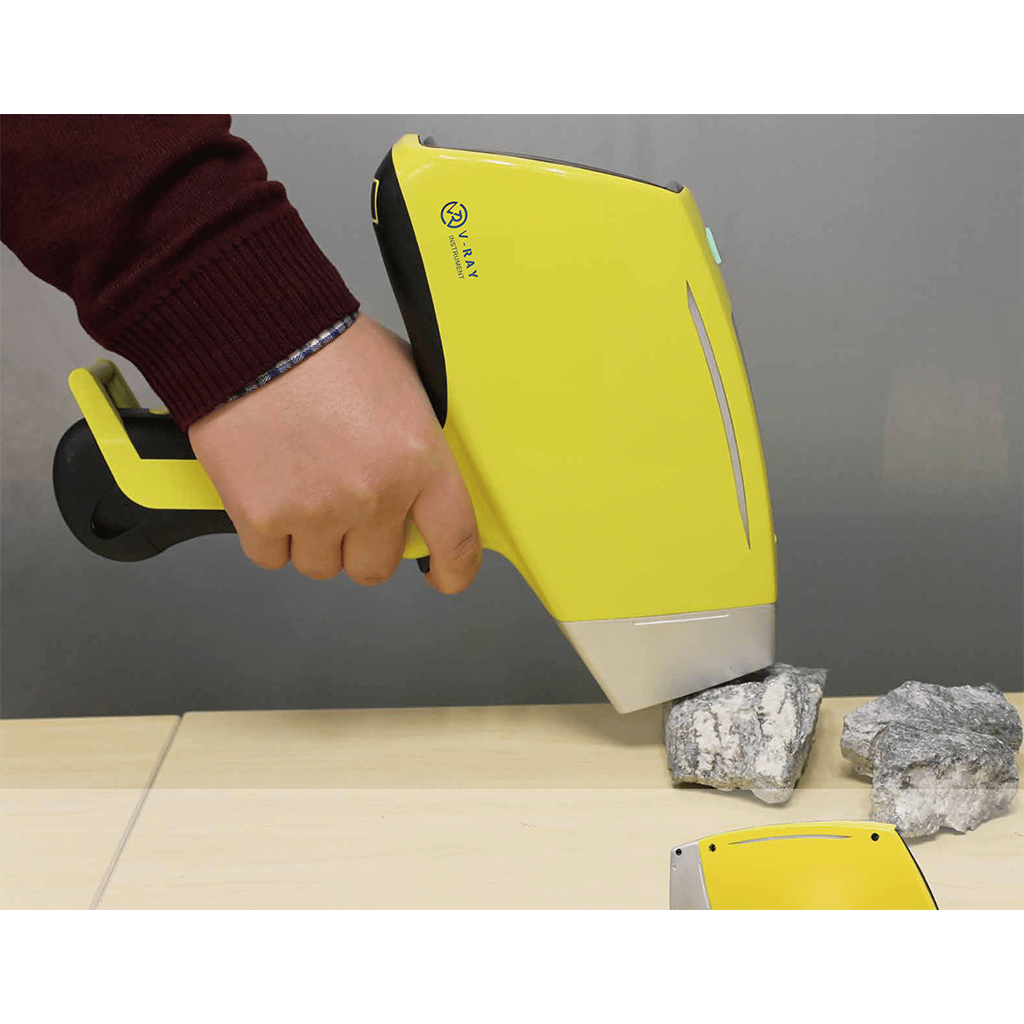
Professional Solutions: Advanced XRF (X-ray Fluorescence) testing is the only non-destructive method to identify deep-layer adulterants and complex scrap gold.
Home Checks: Utilize the magnetism test and the vinegar check for immediate filtering of low-quality base-metal fakes.
The Evolution of Counterfeit Jewelry in 2026
As we move through 2026, gold has solidified its position as the ultimate safe-haven asset. However, the staggering appreciation of gold’s spot price has created a “perfect storm” for sophisticated fraud. Understanding the various types of fake gold jewelry is no longer optional; it is a critical necessity for any consumer, collector, or investor.
Gone are the days when a fake was easily spotted by a simple green stain on the skin. Modern counterfeiters utilize high-precision laser engraving to replicate verified hallmarks and purity markings. Furthermore, advancements in metallurgy have allowed for the creation of “heavy gold electroplating” that can withstand basic rub tests and superficial electronic testers.
“The World Gold Council estimates up to 10% of gold products circulating online may be counterfeit. In 2026, buyers must move beyond visual inspection to scientific verification.”
1. Tungsten-Wrapped Gold (The Density Deception)
Tungsten-wrapped gold stands out as the most dangerous form of counterfeit in 2026. Because tungsten’s density (19.25 g/cm³) is nearly identical to that of pure gold (19.30 g/cm³), these items bypass the traditional “heft test” that many buyers rely on. Counterfeiters create a tungsten core and wrap it in a layer of genuine gold, allowing the piece to pass surface acid tests.
How to Spot Tungsten Fakes
Buyers should look for subtle clues such as unusual weight distribution or faint seams on high-end jewelry and bars. Because the exterior is genuine gold, only professional methods can truly confirm authenticity. X-ray fluorescence (XRF) analyzers are the preferred choice, as they can scan through the gold layer to detect the tungsten beneath without damaging the item.
2. Rhenium-Contaminated Gold (The Adulteration Challenge)
Rhenium-contaminated gold is a sophisticated blend where rhenium is mixed directly into the gold alloy to increase weight and mimic purity. Rhenium shares similar physical properties with gold, making it nearly impossible to detect through visual inspection or simple weighing.
Why Professional Analysis is Required
Adulterated items are frequently found in recycled scrap and e-waste gold. Since rhenium does not react to traditional surface acid tests, XRF technology has become the industry standard for detection. These analyzers can scan the atomic structure of the metal to reveal the exact percentage of rhenium contamination in seconds.
3. Plated, Filled, and Vermeil Deceptions
While gold-plated and gold-filled items have their place in fashion, they are frequently misrepresented as high-value solid gold in the 2026 resale market. Understanding the layering games is essential for capital protection.
Gold Plated (GP/GE/HGE): A microscopically thin layer of gold over brass or copper. These items often show “bleeding” or discoloration at friction points like hinges and clasps.
Gold Filled (GF): Mechanical bonding is used to fuse a thick gold layer to a base metal. U.S. standards require at least 5% gold by weight. These can pass acid tests, so buyers must look for fractional stamps like “1/20 12K GF.”
Gold Vermeil (925): High-quality gold over a sterling silver base. While more valuable than base-metal plating, it is often sold at solid gold prices to unsuspecting buyers.
4. Low-Karat Alloys and Incorrect Hallmarking
Under-karating is a pervasive form of fraud where manufacturers mix gold with high percentages of silver, copper, or nickel while stamping the piece with higher purity marks. An alloy that is actually 10K may be laser-engraved as 18K (750).
Identifying Deceptive Stamps
Be vigilant for hallmarks that seem poorly engraved or faded. Avoid items with non-standard abbreviations that suggest plating, such as:
Marking | Meaning | Investment Risk |
|---|---|---|
GP / GEP | Gold Plated / Electroplated | Very High |
GF | Gold Filled | High (Misrepresented value) |
HGP / HEG | Heavy Gold Plated | Very High |
925 | Sterling Silver Base | Medium (It is Vermeil) |
5. Complex Scrap and E-Waste Gold
Recovered from electronics, circuit boards, and industrial waste, e-waste gold often appears as powders, flakes, or irregular shapes. These “scraps” are frequently mixed with hazardous substances or cheaper metal blends to mimic bulk bullion.
Professionals encounter these fakes in the recycling industry. Because the shapes are irregular, visual inspection is useless. Multi-element analysis via XRF is the only reliable way to ensure a purchase is genuine gold rather than a complex blend of industrial byproduct.

Expert Tips: Identifying Real vs. Fake Gold at Home
While professional appraisal is the only way to be 100% certain, these at-home “filters” can help you avoid common scams:
The Magnet Test: Pure gold is not magnetic. If your jewelry has a strong reaction to a neodymium magnet, it likely contains iron or nickel.
The Float Test: Drop the item into a glass of water. Solid gold is extremely dense and will sink immediately. If it floats or hovers, it is an imitation.
The Vinegar Check: Apply a small amount of white vinegar to an inconspicuous area. If the metal changes color or reacts, it is a base-metal fake. Genuine gold remains unaffected.
Ceramic Scratch Test: Rub the gold against an unglazed ceramic plate. A golden streak indicates real gold, while a black or dark streak signals a fake.
Professional Solutions for High-Value Authentication
For high-stakes investments, professional testing provides the precision required in 2026. X-ray fluorescence (XRF) stands out as the ultimate non-destructive method, analyzing purity within five parts per thousand in seconds. Ultrasonic testing is also utilized by top-tier jewelers to reveal hidden tungsten cores in gold bars and thick coins.
Frequently Asked Questions
Q: Can gold-filled jewelry pass an acid test?
A: Yes. Because the outer layer of gold-filled jewelry is relatively thick and made of genuine gold, a surface-level acid test will show a “pass.” You must check for hallmarks like “1/20” to distinguish it from solid gold.
Q: Does real gold ever turn your skin green?
A: No. Genuine gold is chemically inert. Skin discoloration is caused by the oxidation of base metals (like copper or nickel) found in gold-plated brass or low-purity alloys.
Q: How can I identify a tungsten core if the weight is correct?
A: It is nearly impossible at home. However, you can check for microscopic cracks in the plating or a slight magnetic pull (if nickel binders were used). Professional ultrasonic or XRF testing is the only definitive way.
Q: What should I do if a gold item has no hallmarks?
A: Exercise extreme caution. While some antique jewelry may lack marks, a modern piece without stamps is a significant red flag. Always seek a professional appraisal before completing such a purchase.