













In the high-stakes world of precious metals, the difference between a profitable acquisition and a devastating financial loss often boils down to a few microns of metal. As gold prices surge, the sophistication of counterfeit scrap gold reaches unprecedented levels. For pawn shops, refineries, and private investors, the procurement of scrap gold without verified analytical equipment is no longer a “calculated risk”—it is a dangerous vulnerability that invites professional fraud into the supply chain.
Sophisticated criminal enterprises now utilize high-density alloys that mimic the physical “feel” and weight of genuine bullion. Without the aid of advanced X-ray Fluorescence (XRF) technology, identifying these forgeries is virtually impossible for the human eye or basic chemistry kits. This guide explores the multifaceted risks of unverified scrap procurement and the critical role of modern analysis in securing your capital.
Key Takeaways
Atomic Accuracy: Professional XRF analyzers detect hidden base metals (like tungsten and rhenium) that pass traditional weight and density tests.
Under-Karating Protection: Mislabeled karatage is a silent profit-killer; verifying fineness ensures you pay only for the actual gold content.
Non-Destructive Integrity: Avoid damaging high-value jewelry with acids or fire assay; XRF analysis preserves the resale value of every piece.
Business Continuity: Accurate on-site testing speeds up transactions and builds an unshakeable reputation for integrity in the pawn and scrap market.
Legal Shield: Documented testing reports provide critical evidence in the event of disputes or investigations into stolen and counterfeit goods.
The Financial Pitfalls of Procurement Blindness
Catastrophic Loss from Sophisticated Counterfeits
The primary risk in the scrap gold market is the influx of “High-Density Forgeries.” Historically, fake gold was often made of lead or copper, which was easily detectable by weight or simple acid tests. Today, counterfeiters use Rhenium and Tungsten. Tungsten has a specific gravity of 19.25, nearly identical to gold’s 19.3. This means a tungsten-filled bar will feel correct in the hand and weigh correctly on a standard scale.
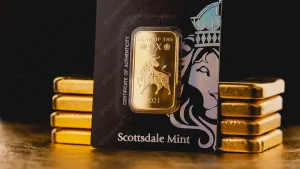
Victims of these scams often lose tens of thousands of dollars in a single transaction. Criminals frequently use “sealed packaging” or forged certificates from reputable mints to bypass physical inspection. Without an XRF spectrometer, the buyer has no way of knowing that the 24K bar they just purchased is actually a 1-mm gold shell over a worthless core.
The “Silent” Cost of Under-Karating
Under-karating is perhaps the most common risk when buying scrap jewelry. A piece may be stamped “18K” (75% gold), but in reality, it may only be 14K (58.5%) or even 12K. This discrepancy is often intentional, designed to shave off profit from unsuspecting buyers. Over a high volume of transactions, losing 10-15% of purity across an entire scrap lot can erode an operation’s entire annual margin. Manual inspection cannot distinguish between these subtle metallurgical variations.
Metallurgical Challenges: Plating and Coatings
Modern plating techniques, such as PVD (Physical Vapor Deposition) and heavy electroplating, can create a gold layer that is thick enough to resist minor scratches but too thin to hold intrinsic value. Standard “magnet tests” or “float tests” are useless here because the core metal can be non-magnetic brass or copper. A professional coating thickness analyzer is the only way to determine if the gold is a skin-deep layer or a solid asset.
Test Method | Effectiveness against Advanced Fakes | Risk to Asset Integrity |
|---|---|---|
Visual/Hallmark | Very Low (Easily forged) | None |
Acid Scratch Test | Moderate (Surface only) | High (Damages surface) |
Density/Archimedes | Low (Fails against Tungsten) | None |
XRF Spectrum Analysis | Excellent (Elemental breakdown) | None (Non-destructive) |
Operational Risks and Business Damage
The Hidden Dangers of Destructive Testing
Traditional dealers often rely on “Acid Testing.” While cheap, the chemicals involved are hazardous, and the process requires scratching the item on a touchstone. If the item turns out to be genuine high-value jewelry rather than scrap, the scratch reduces its resale value significantly. Furthermore, acid tests are subjective; the color change is often interpreted differently by different technicians, leading to inconsistent procurement prices.
Inefficiency in High-Volume Environments
Time is money in the scrap industry. Waiting for lab results or performing time-consuming manual tests leads to “bottlenecking.” When sellers have to wait 30 minutes for a quote, they often go to a competitor with faster equipment. Investing in a gold testing machine drastically improves throughput, allowing for quotes in under 10 seconds with laboratory-grade precision.
“Trust is the currency of the gold market. One single error in identifying a counterfeit can destroy a reputation that took decades to build.”
The Anatomy of High-Tech Fraud
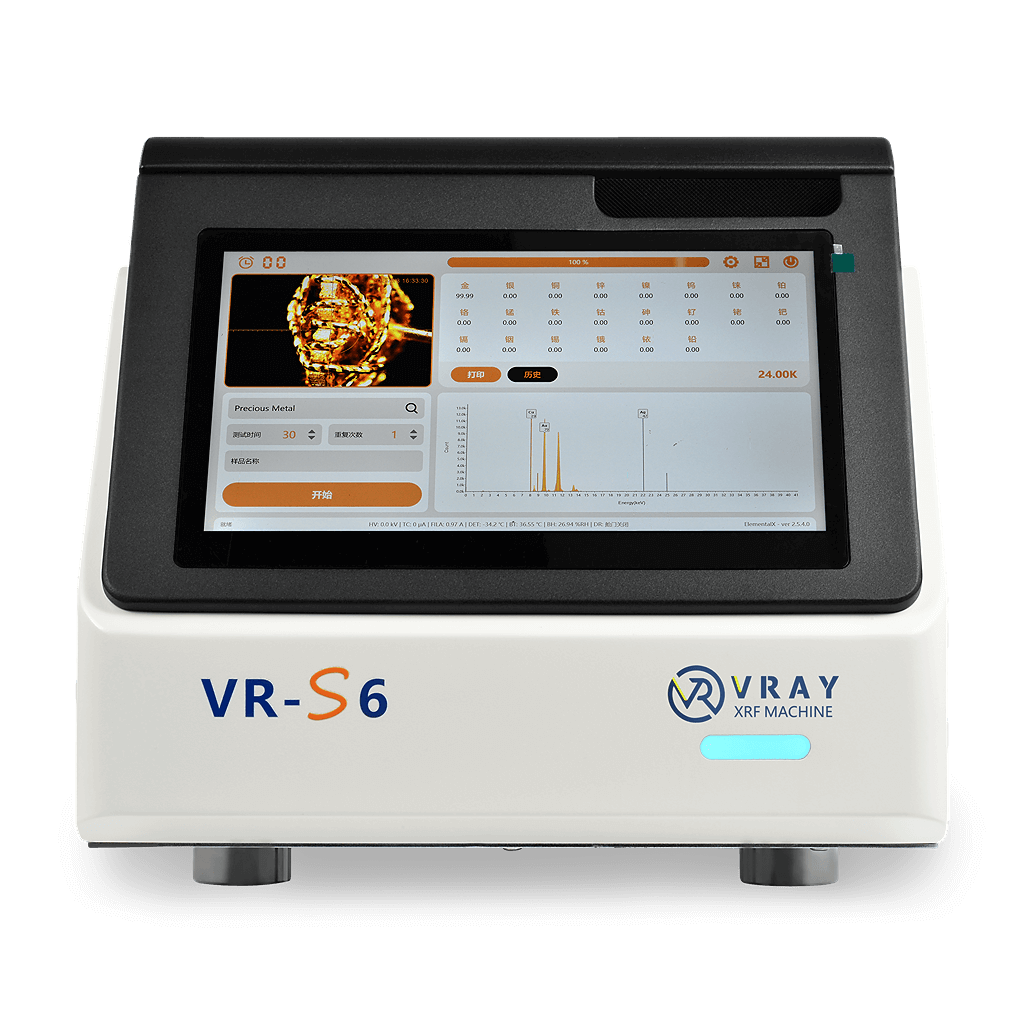
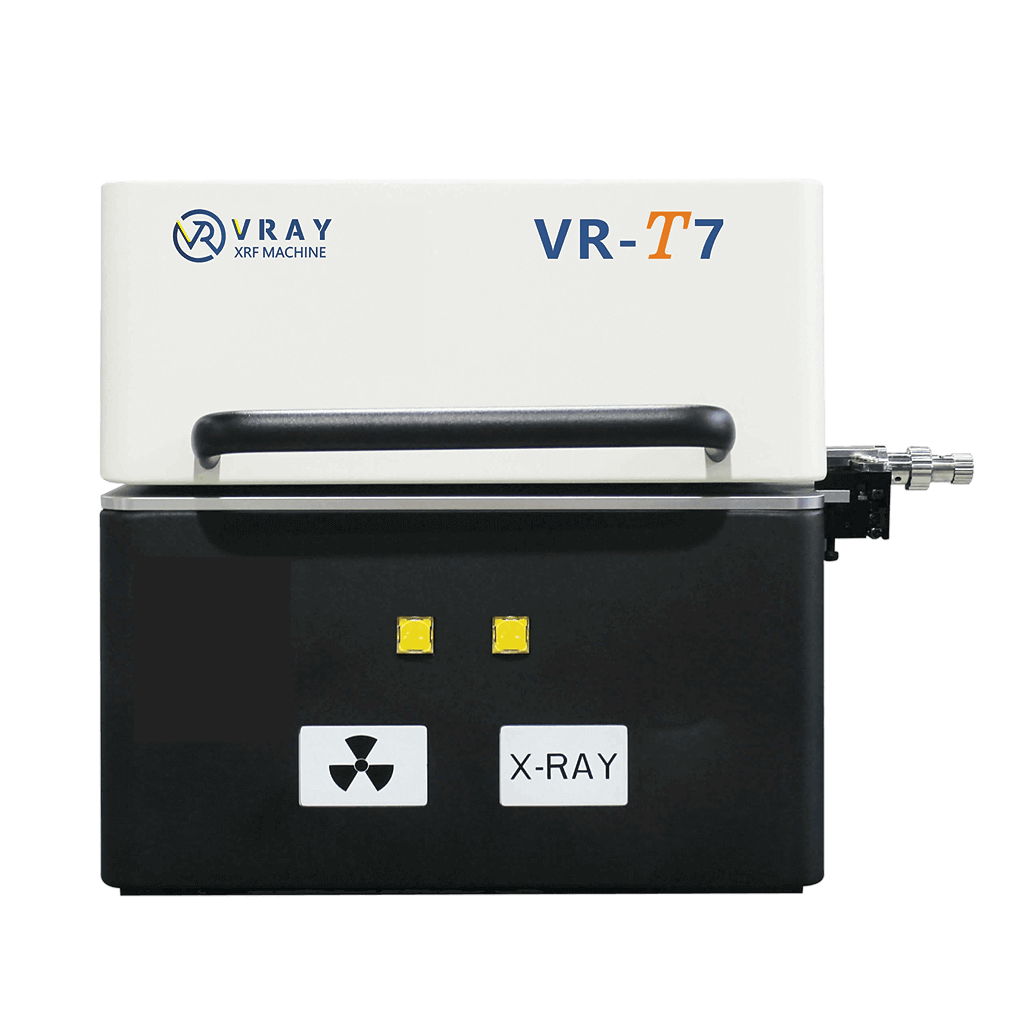
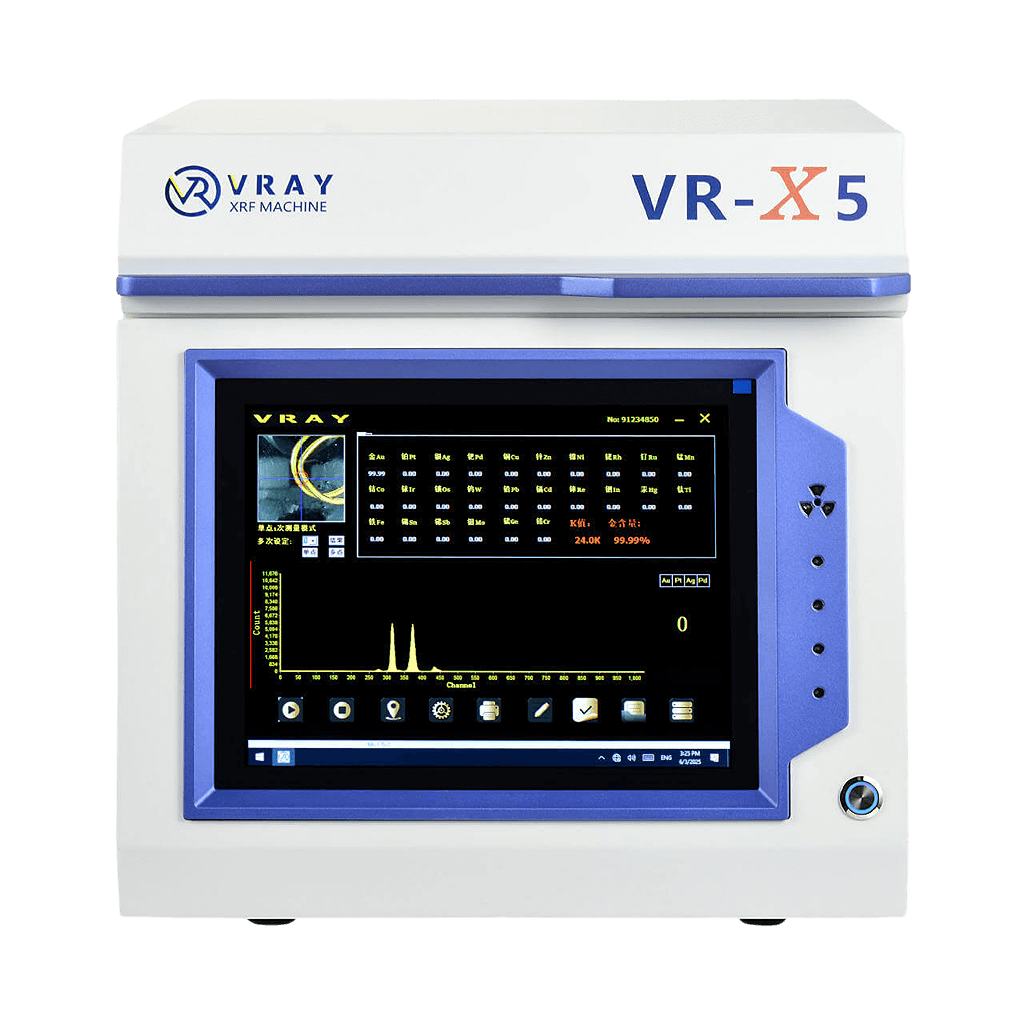
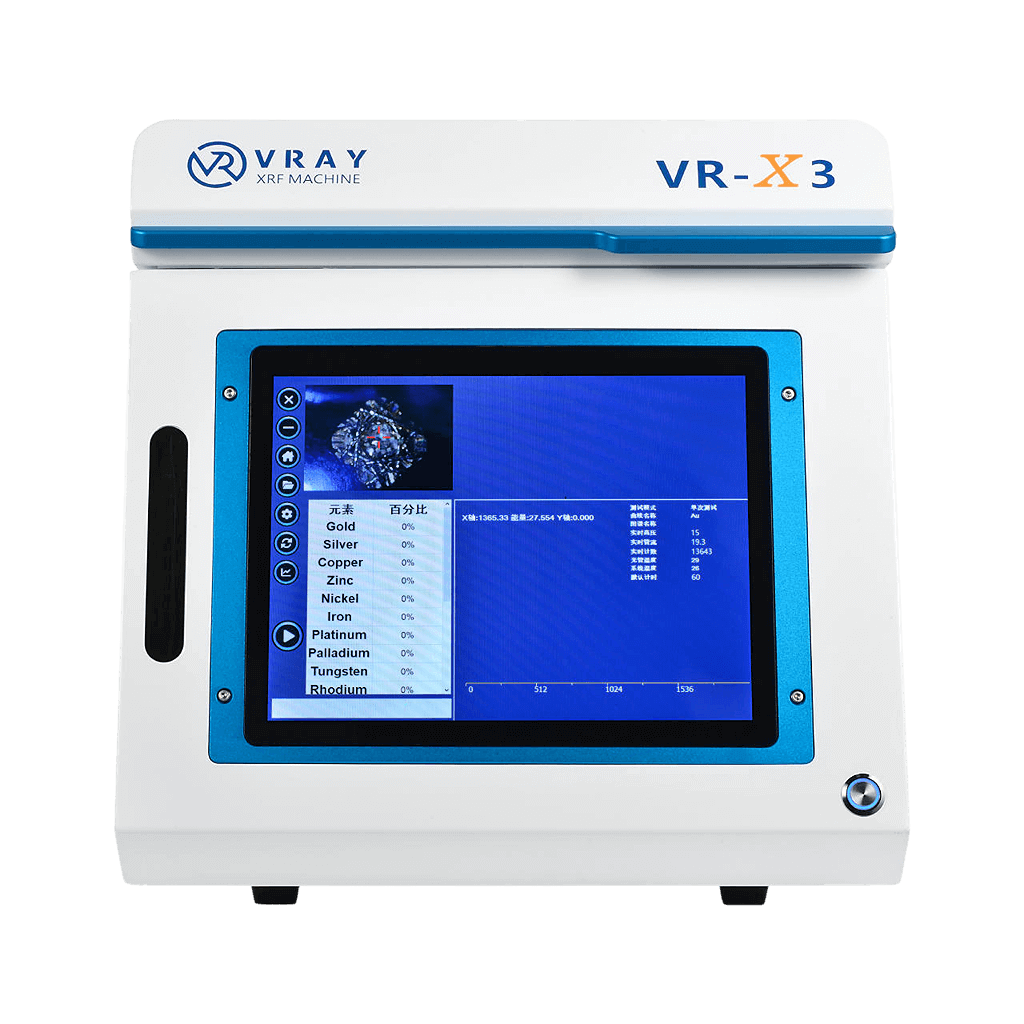
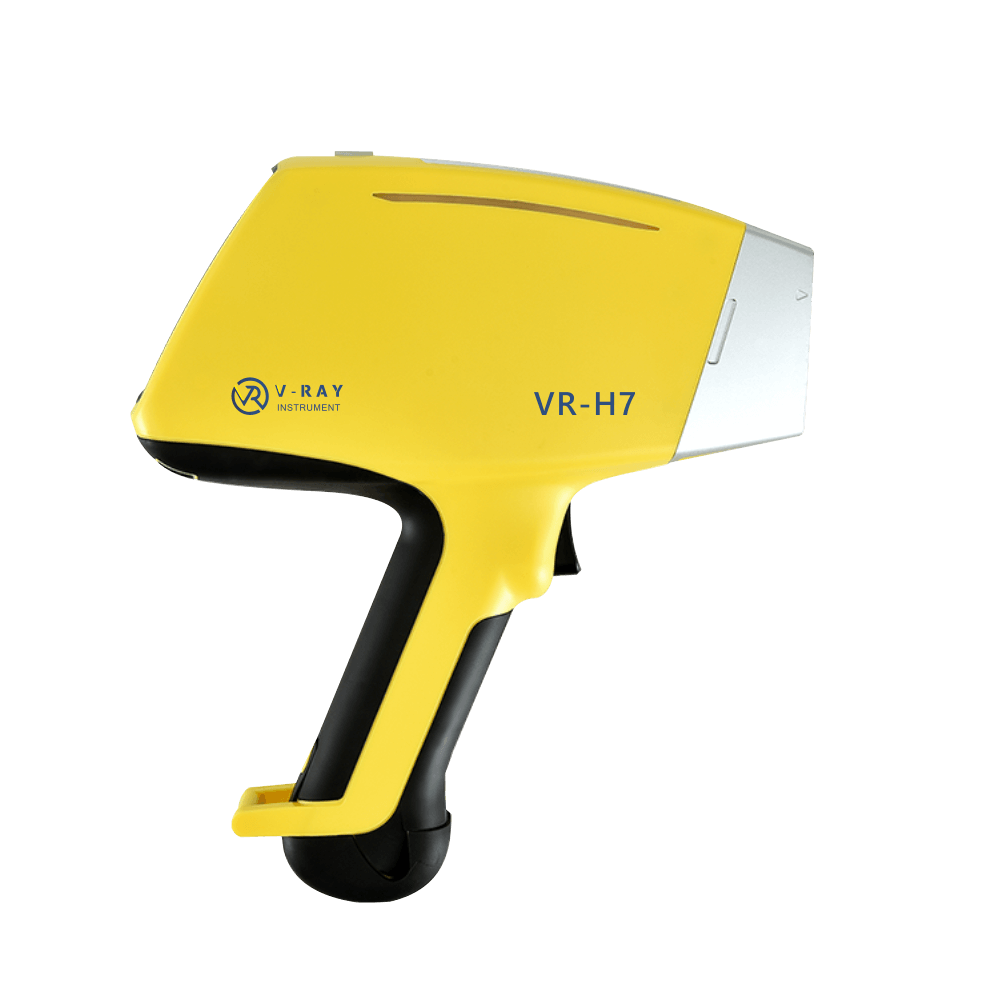
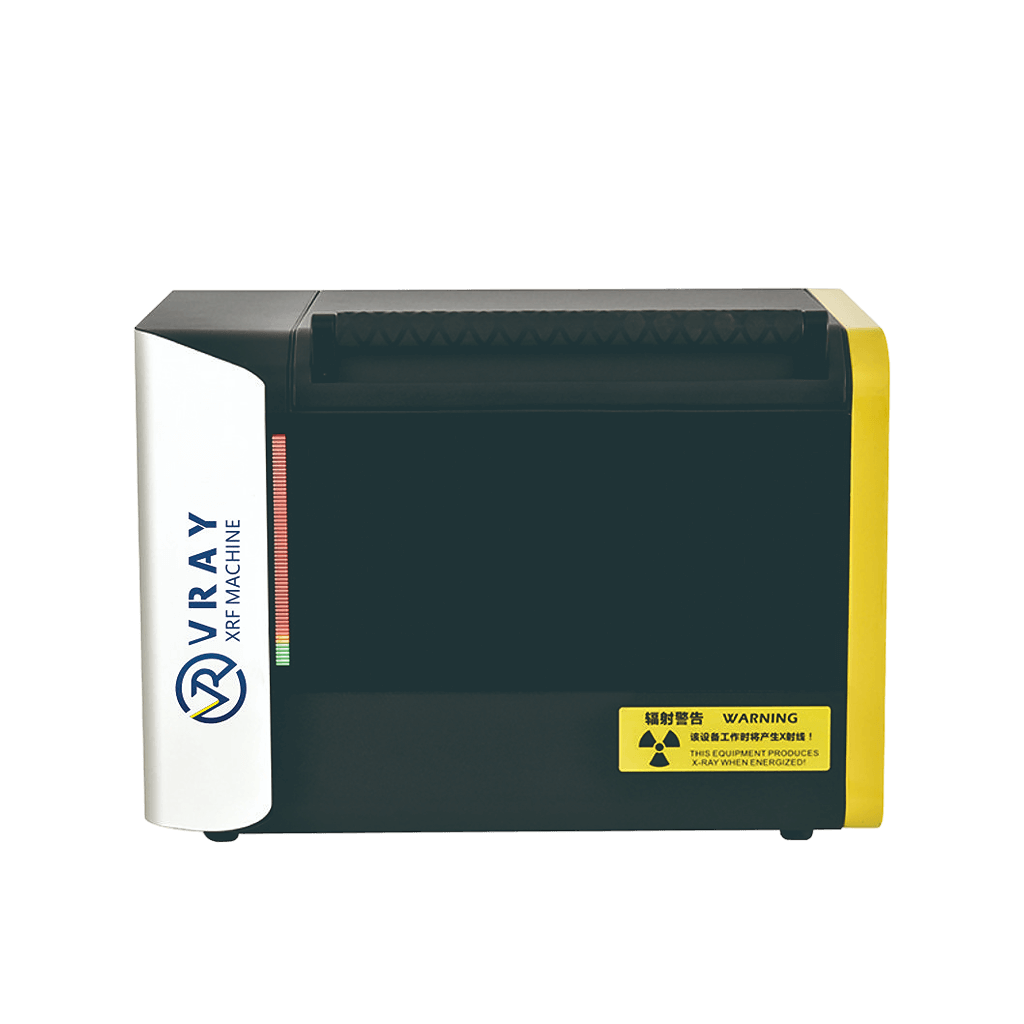
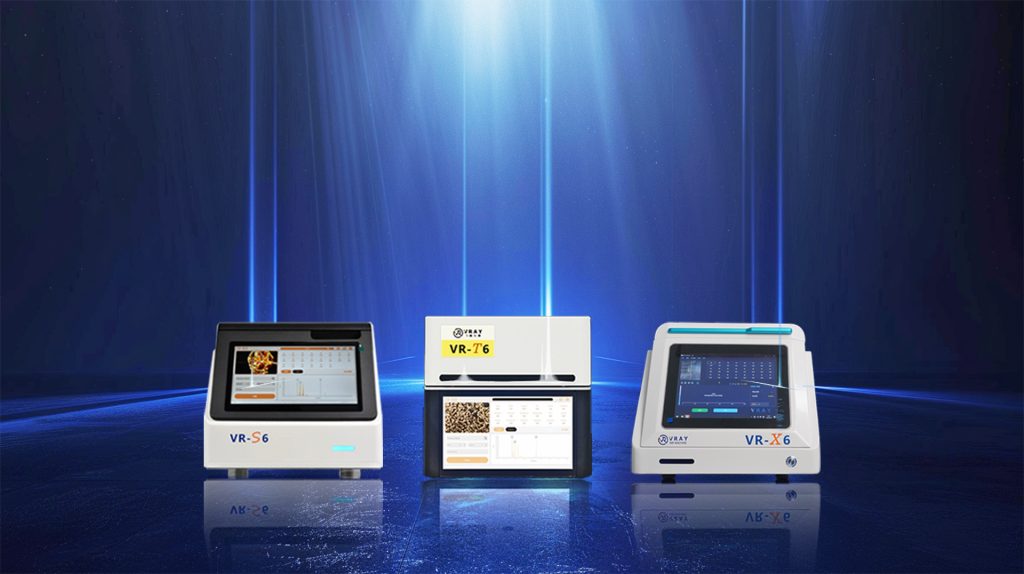
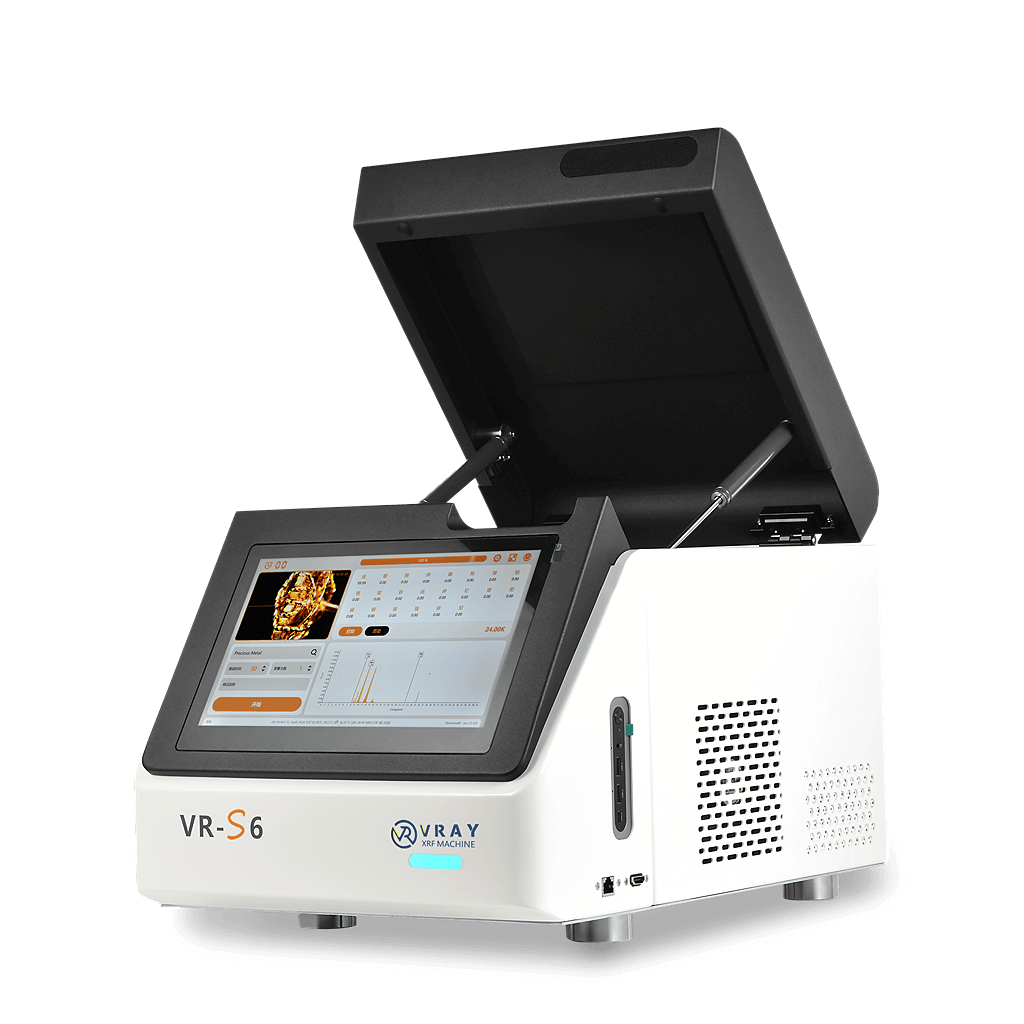
In recent years, the industry has seen the rise of “layered bullion.” This involves a sandwich of metals that mimics the thermal and electrical conductivity of gold. Only through atomic-level analysis—measuring the fluorescence of atoms when excited by X-rays—can a buyer truly “see” through these layers. XRF analyzers from VRAY Instrument use Silicon Drift Detectors (SDD) to provide high-resolution spectra that can isolate trace elements used by counterfeiters to stabilize their alloys.
Metal Type | Atomic Number | Deception Use |
|---|---|---|
Gold (Au) | 79 | Target Asset |
Tungsten (W) | 74 | Density Match (Core) |
Rhenium (Re) | 75 | Density Match (High-end fraud) |
Iridium (Ir) | 77 | Weight enhancement |
Practical Strategies for Risk Mitigation
Adopting a Tiered Testing Protocol
Risk management starts with a standard operating procedure (SOP). Never rely on a single data point. A professional buyer’s checklist should include:
XRF Scan: The first step for every item to determine elemental composition.
Weight Verification: Using high-precision scales to 0.001g accuracy.
Thermal Conductivity: To cross-verify the XRF results on thick bullion bars.
Documentation Review: Checking for legitimate assay marks and seller credentials.
Sourcing and Seller Credibility
Buying from “unverified sellers” is the highest-risk activity. Stolen gold often flows through these channels, and purchasing it can lead to legal seizure without compensation, or even criminal charges for “receiving stolen property.” Always demand identification and maintain a digital log of every transaction, cross-referenced with the XRF test results.
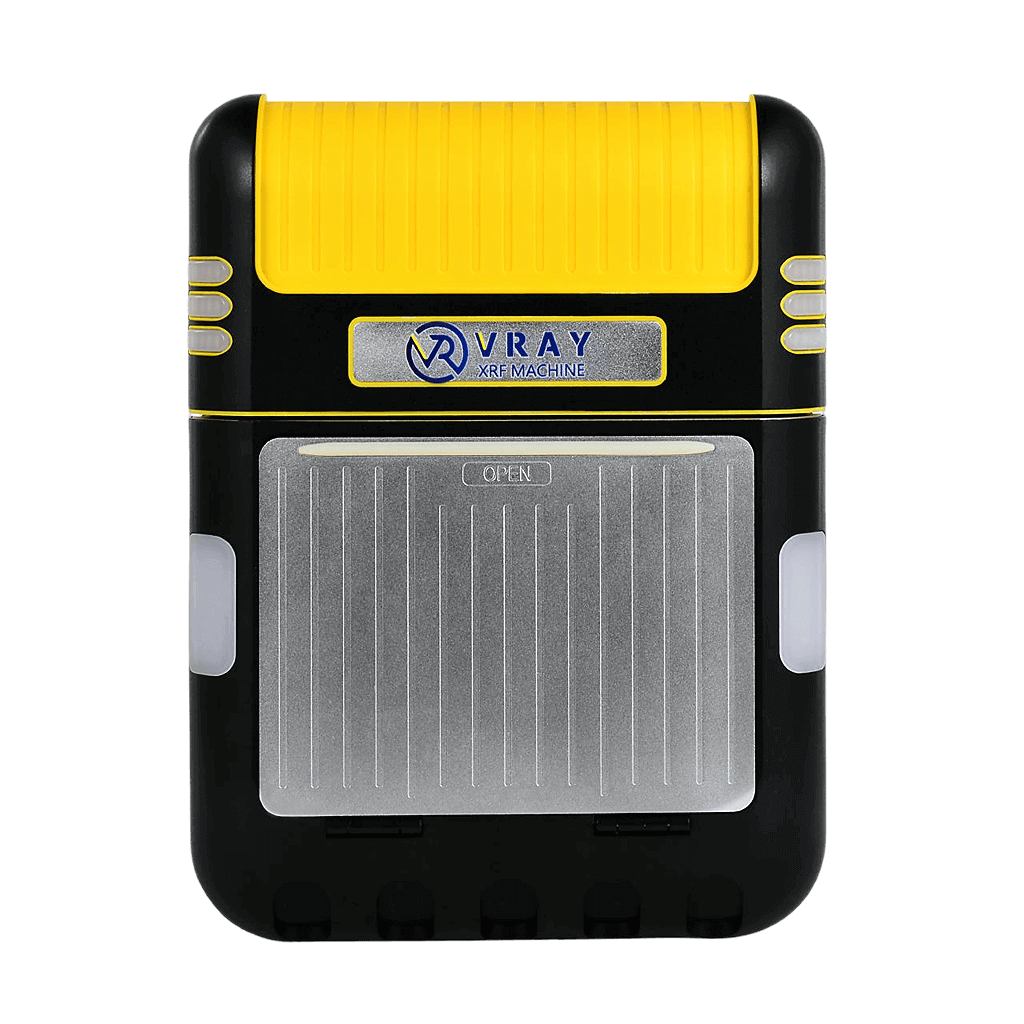
Protect Your Capital: Don’t leave your profit to chance. Explore VRAY’s range of professional metal verifiers and secure your business against counterfeits today.
Frequently Asked Questions
How does XRF detect fake gold if it’s thick-plated?
XRF energy can penetrate thin to medium plating to detect the base metal beneath. For very thick bars, XRF identifies the exact purity of the surface layer and can detect trace elements that should not be present in pure gold, signaling a “red flag” for further ultrasonic testing.
Is acid testing better than no testing at all?
Yes, but it is limited. Acid can only tell you about the surface of the metal. If the item is gold-filled or has a thick plated shell, acid will give a “false positive,” leading you to pay solid gold prices for scrap.
Why is tungsten such a threat to gold buyers?
Because its density (19.25 g/cm³) is nearly identical to gold (19.30 g/cm³). This allows it to pass “Archimedes’ Principle” tests and simple weight-based verification that were once the standard for detecting fakes.
Can XRF testing damage jewelry?
No. X-ray Fluorescence is a completely non-destructive method. It does not use heat, friction, or chemicals. It is safe for all precious metals and gemstones.