













In today’s industrial landscape, X-ray fluorescence (XRF) technology is a powerful tool for analyzing the composition of materials. Whether you’re in jewelry, recycling, mining, or environmental sciences, XRF offers a non-destructive, accurate, and efficient way to determine elemental composition. If you’re new to XRF, this guide will break down what XRF technology is, how it works, and where it’s used.
What is XRF Technology?
X-ray fluorescence (XRF) is an analytical technique used to determine the elemental composition of materials. It works by exciting atoms within a sample with X-rays, causing them to emit secondary (or fluorescent) X-rays. These emitted X-rays are unique to each element, allowing the XRF analyzer to identify and quantify the elements within the sample.
How Does XRF Technology Work?
- X-ray Emission: When an XRF analyzer is activated, it emits a stream of X-rays that strike the sample. These high-energy X-rays knock out electrons from the inner shells of atoms within the sample, creating vacancies.
- Fluorescent X-ray Production: To fill these vacancies, electrons from higher-energy outer shells fall into the inner shells. As they do so, they release energy in the form of fluorescent X-rays, which have characteristic wavelengths unique to each element.
- Detection and Analysis: The XRF analyzer detects these fluorescent X-rays and uses their energy signatures to identify which elements are present and at what concentrations.
The beauty of XRF technology lies in its speed and accuracy—results are available in seconds and provide detailed information about the sample’s elemental composition without damaging it.
Key Components of an XRF Analyzer
- หลอดเอ็กซ์เรย์: This generates the X-rays that excite the atoms in the sample.
- ตัวตรวจจับ: The detector captures the fluorescent X-rays emitted by the sample and records their energy and intensity, which are then processed to determine the elements present.
- Software: Modern XRF analyzers come with software to display, analyze, and store the data, offering features like reporting and data export.
Types of XRF Analyzers
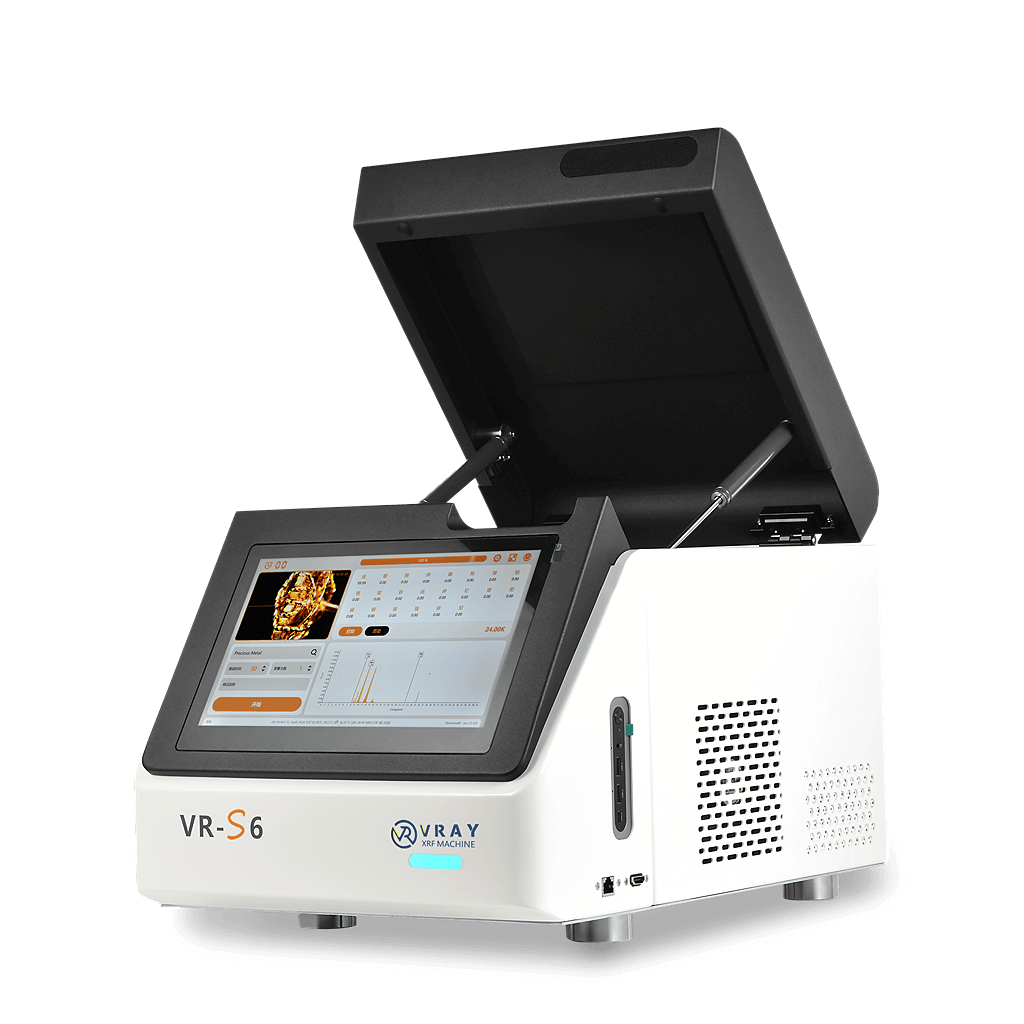
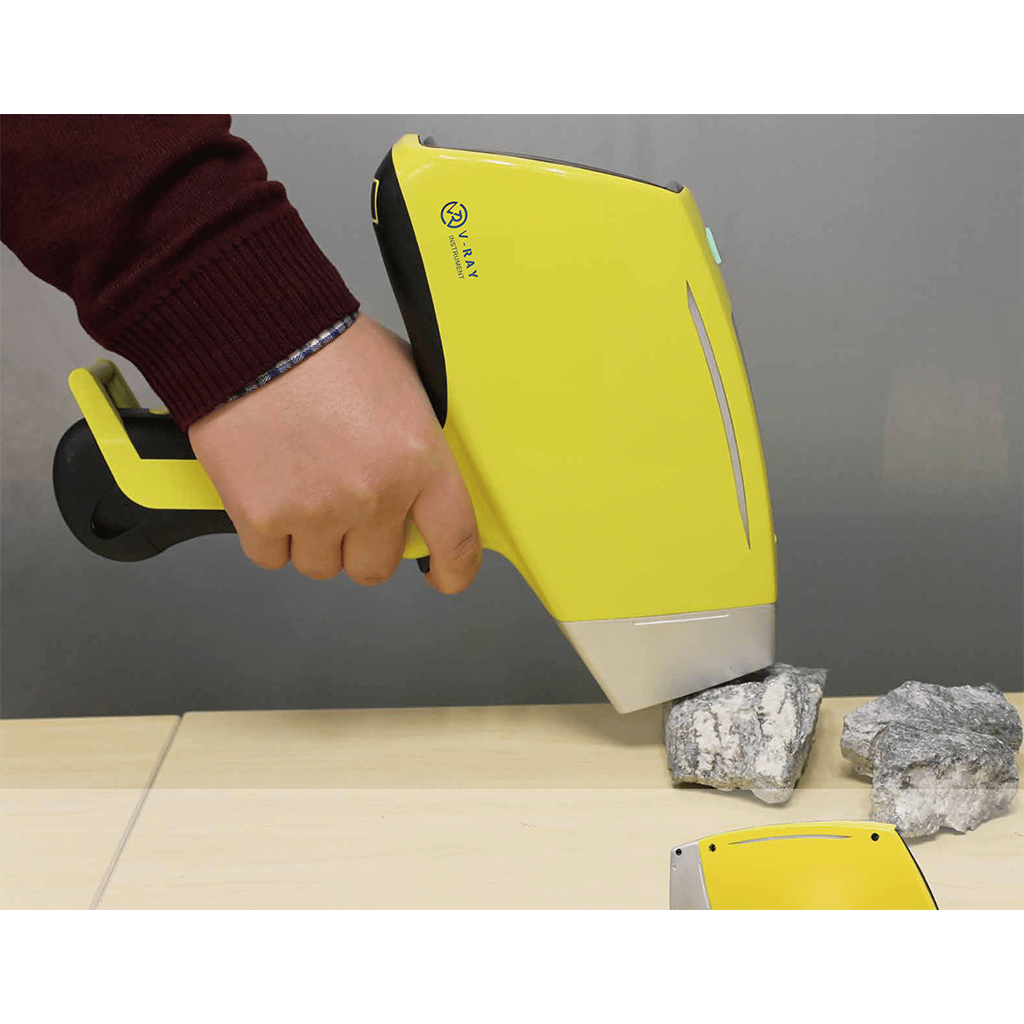
There are two primary types of XRF analyzers: handheld and benchtop.
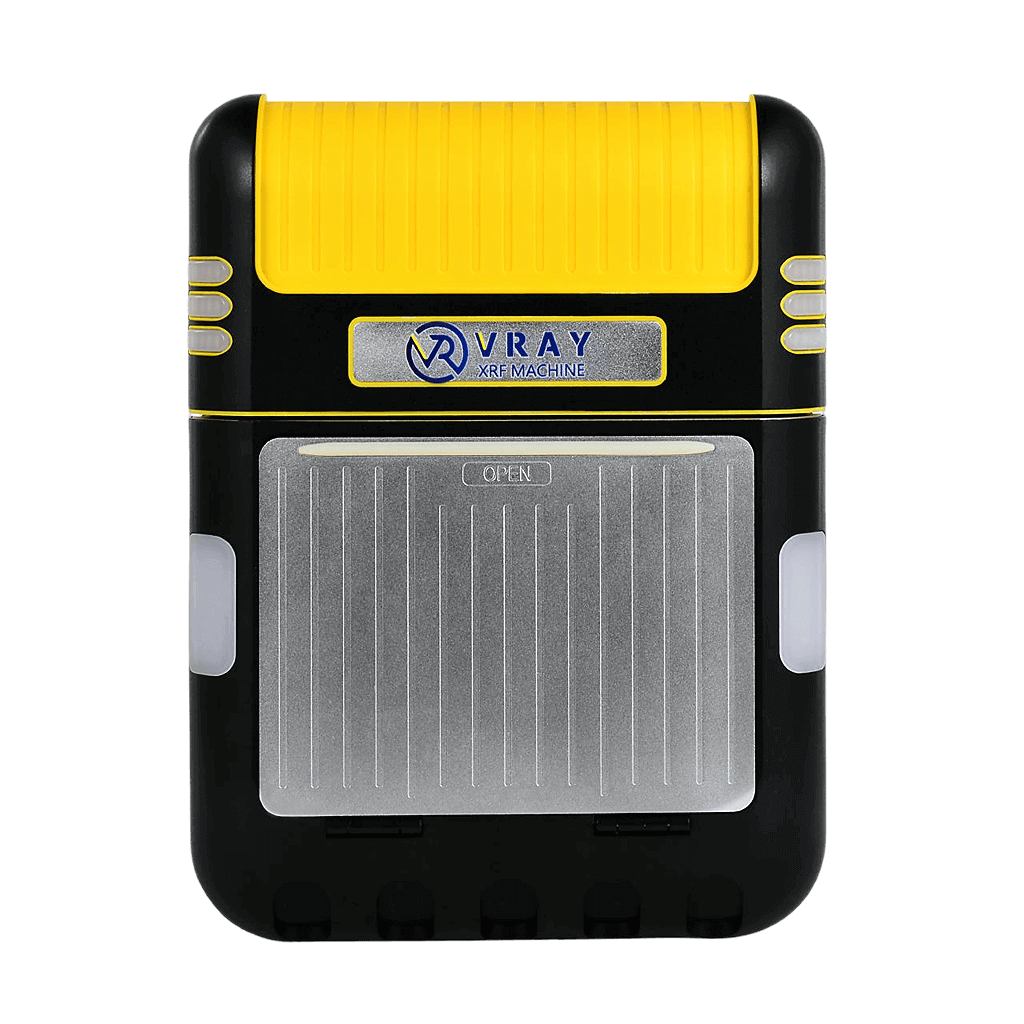
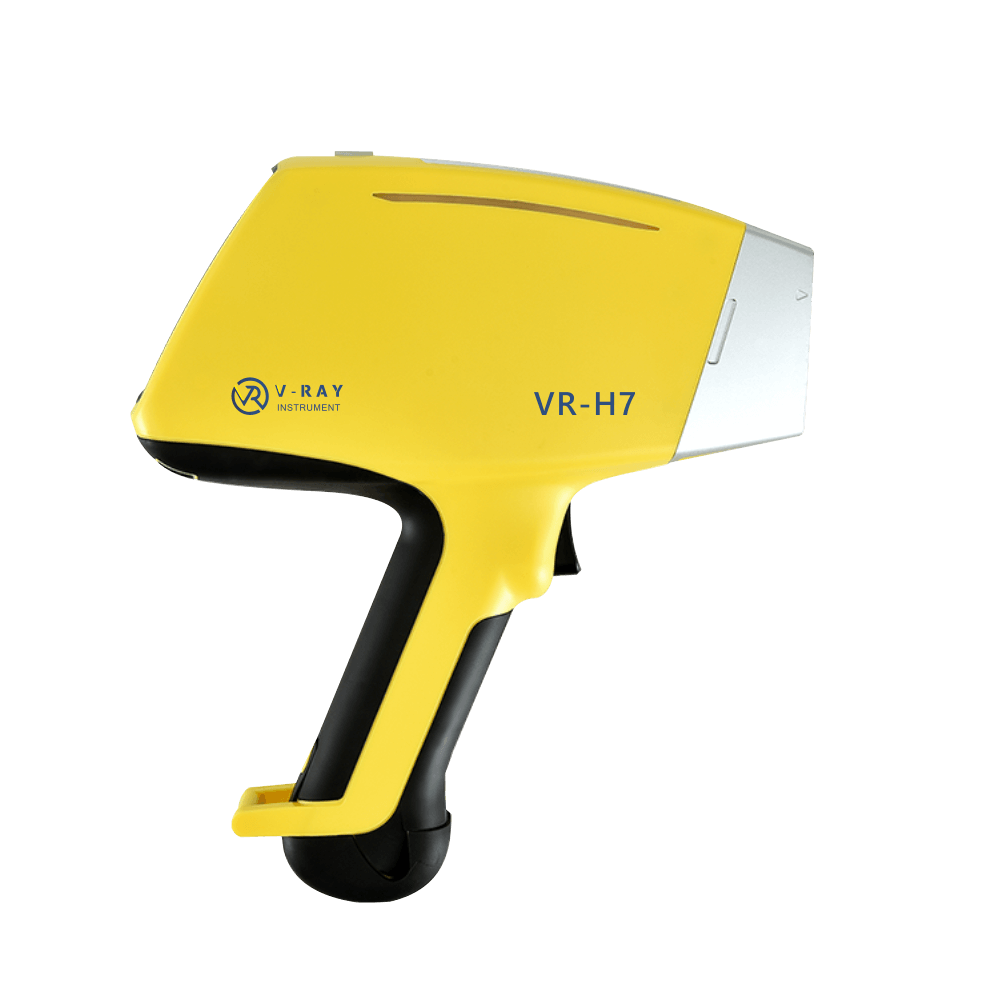
- Handheld XRF Analyzers: Portable and lightweight, handheld XRF analyzers are ideal for field testing and on-site analysis. They’re widely used in industries like mining, recycling, and environmental science for rapid results.
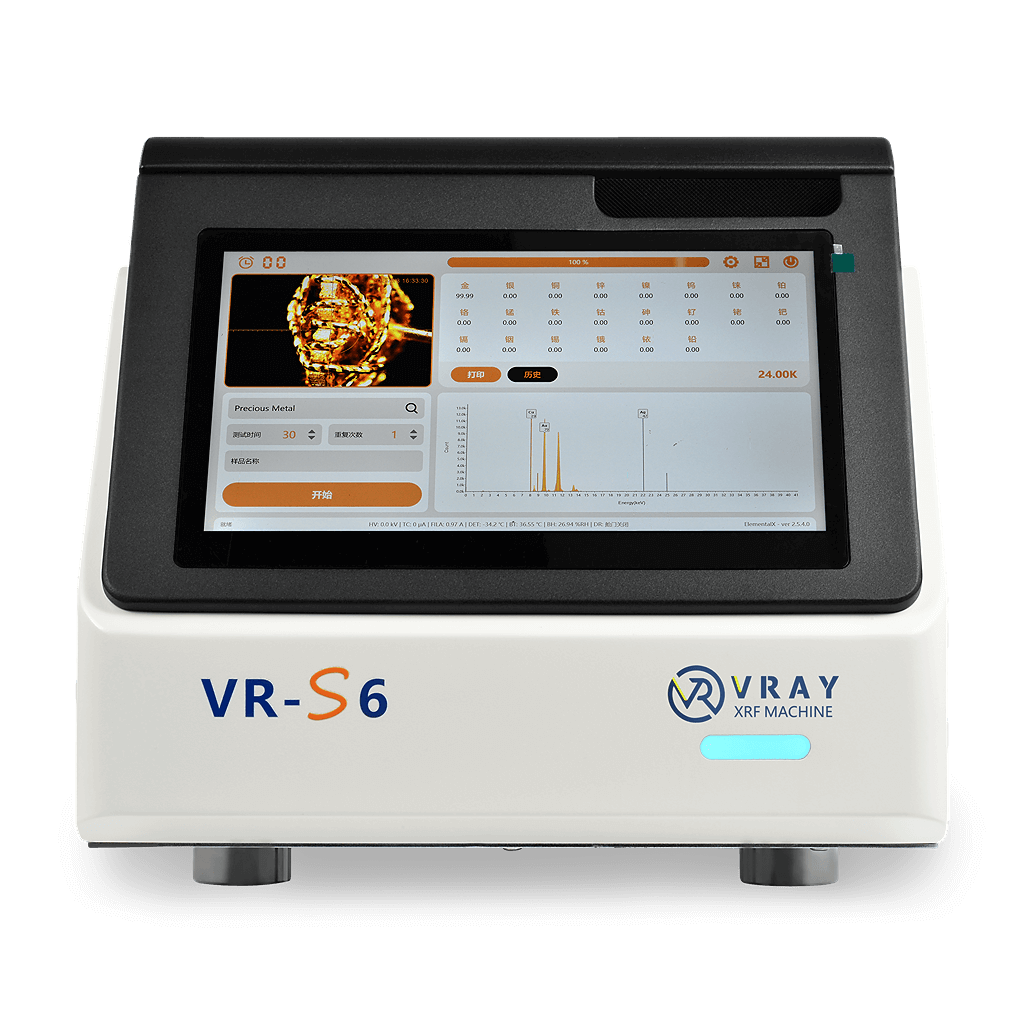
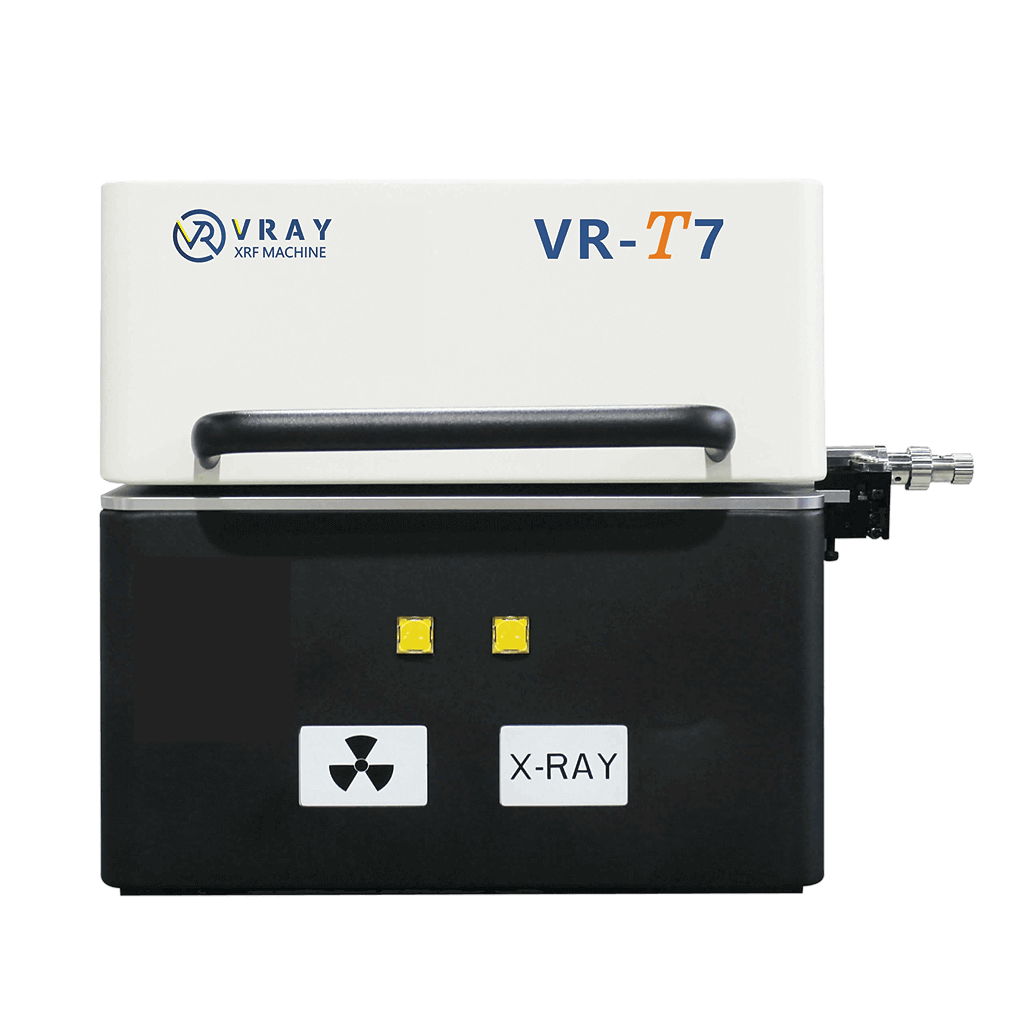
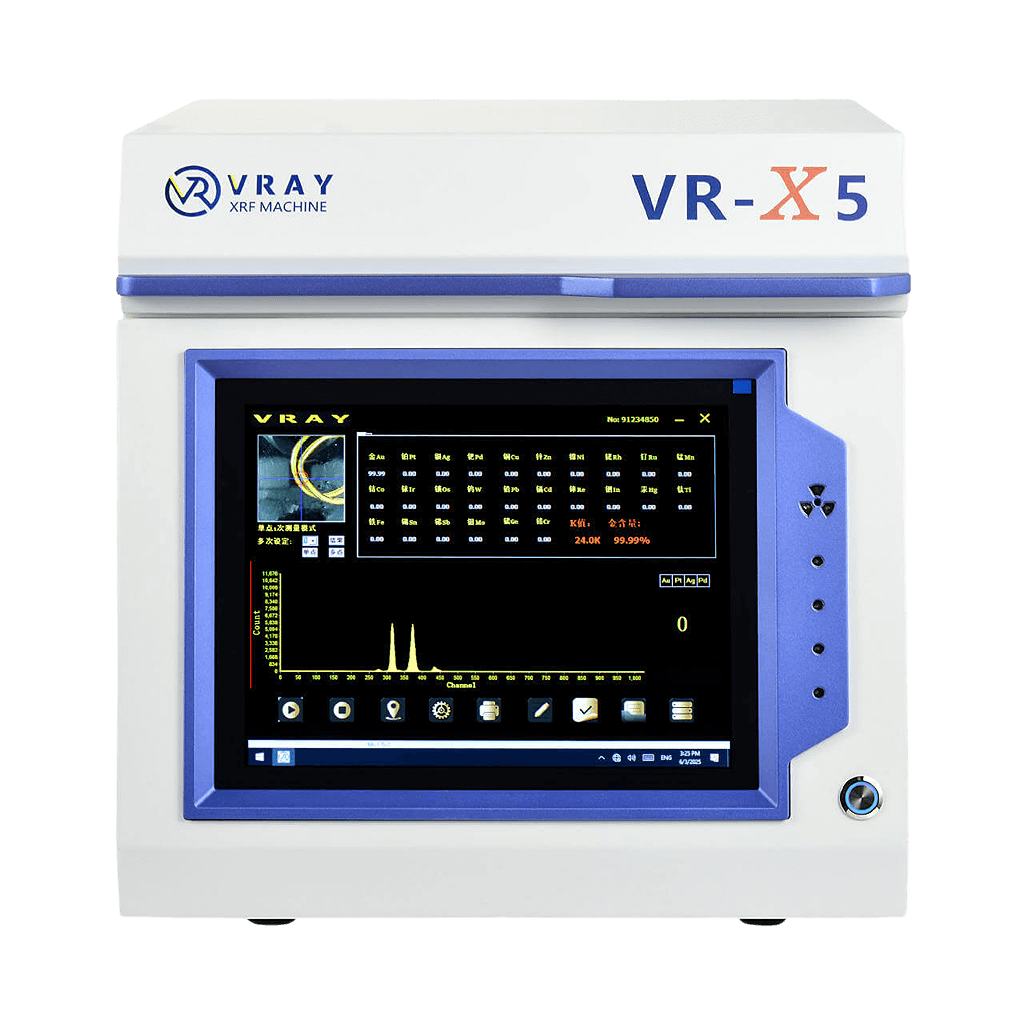
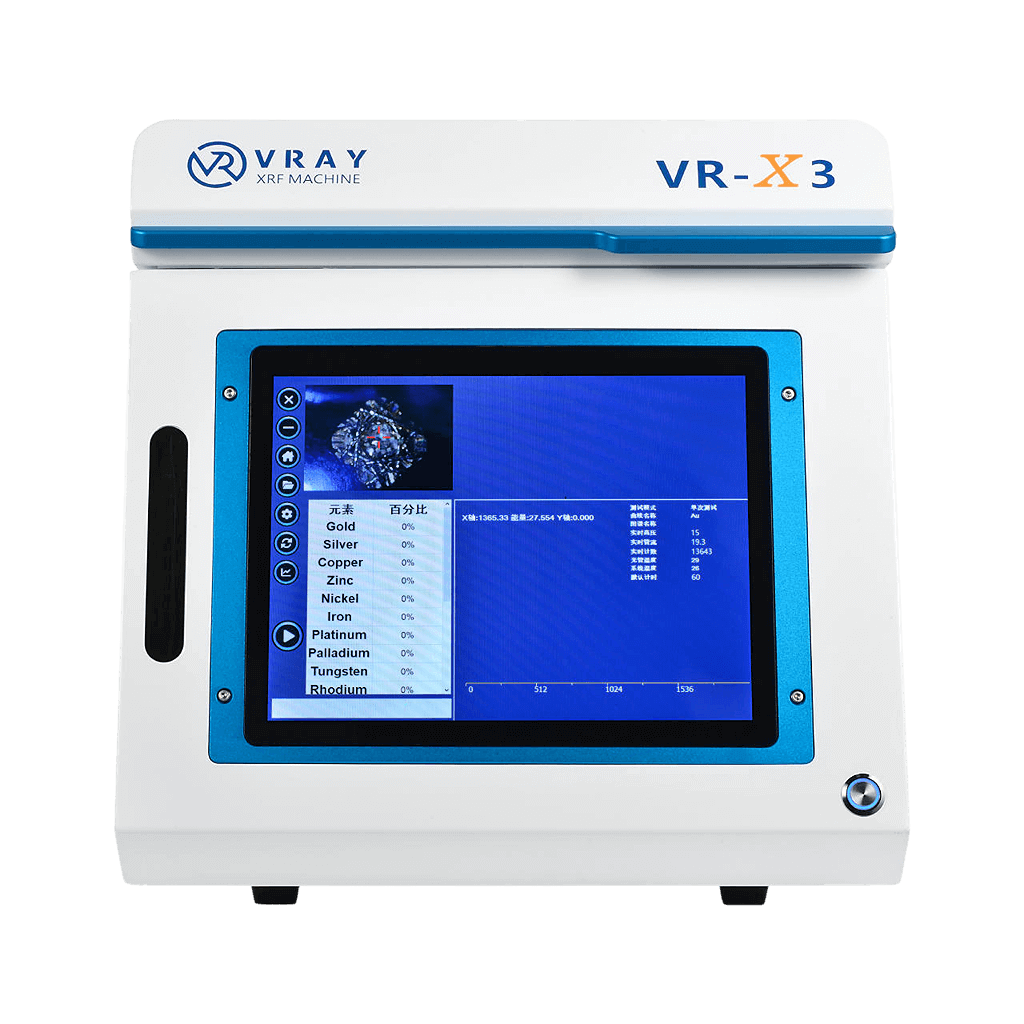
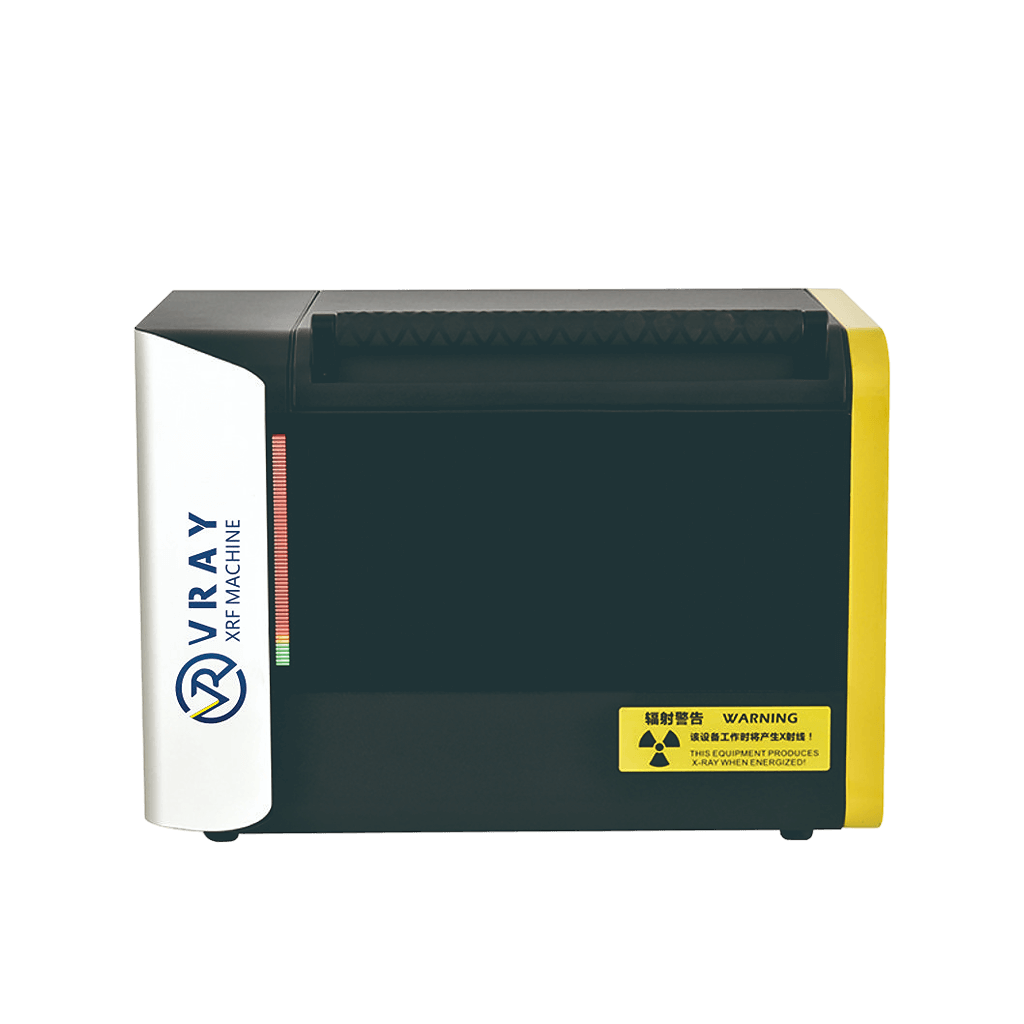
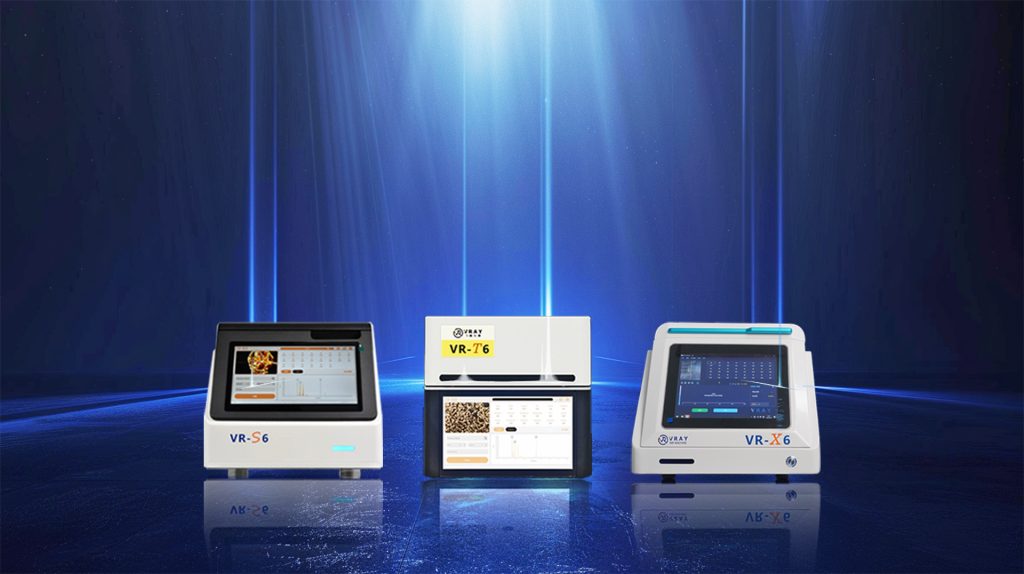
- Benchtop XRF Analyzers: These are larger, stationary devices typically used in laboratories or manufacturing facilities where more detailed analysis is required. They provide higher accuracy and are suitable for testing a wide variety of sample types.
Applications of XRF Technology
XRF technology has applications across numerous industries. Here are a few examples:
- Jewelry and Precious Metals: XRF is commonly used to verify the purity of gold, silver, and other precious metals without damaging the jewelry. This is crucial for both quality control and authenticity verification.
- Mining and Geology: XRF helps geologists analyze the mineral content of rocks and ores on-site, aiding in the exploration and evaluation of mining resources.
- Recycling and Scrap Sorting: XRF is used to sort metals and alloys in recycling facilities, enabling precise sorting that maximizes the value of recyclable materials.
- Environmental Science: XRF analyzers help detect and quantify pollutants like lead or arsenic in soil and water samples, which is vital for environmental monitoring and compliance.
- Manufacturing and Quality Control: In industries such as electronics, automotive, and aerospace, XRF ensures that products meet required specifications by verifying material composition and detecting potential contaminants.
Advantages of XRF Technology
- การทดสอบแบบไม่ทำลายตัวอย่าง: XRF analyzers can analyze materials without damaging them, preserving the integrity of the sample—an essential feature for quality control in jewelry and other high-value products.
- Speed and Efficiency: XRF analysis is rapid, delivering results in seconds, which enhances workflow efficiency and allows for quick decision-making.
- Precision and Accuracy: XRF analyzers are capable of detecting trace elements with high precision, making them ideal for industries with strict regulatory standards.
- Cost-Effective: Since XRF is non-destructive, samples don’t need to be discarded after testing, which can result in cost savings, especially when testing high-value materials.
Conclusion
XRF technology offers a powerful, efficient, and non-destructive way to analyze elemental composition across various industries. As a beginner, understanding the basics of XRF and following best practices can help you leverage this technology to enhance your quality control processes, improve productivity, and ensure regulatory compliance.
At VRAY Instrument Limited, we provide a range of XRF analyzers to suit diverse industry needs. Whether you’re looking for a portable handheld model or a high-precision benchtop device, we have the solution for you. Contact us today to learn more about how XRF technology can benefit your business!