
















In the luxury asset market, a hallmark is often perceived as a “fingerprint” of authenticity—a legally mandated guarantee of metal purity. However, as global jewelry trade expands through unregulated digital channels, the inherent trust placed in stamped jewelry is being systematically exploited. For professional appraisers and retail buyers alike, the critical question remains: Is that “18K” stamp a scientific fact or merely an unverified claim?
While hallmarking has historical roots in protecting consumers, modern metallurgical deception—such as under-karating and thick-shell plating—has rendered visual inspection obsolete. According to recent reports from independent news agencies, counterfeit jewelry rates in certain sectors range as high as 80%. Protecting your investment requires moving beyond the stamp and utilizing advanced XRF spectroscopic analysis to verify elemental composition with atomic precision.
Key Takeaways
Claim vs. Reality: A hallmark represents the *intended* purity, not necessarily the *actual* composition; counterfeiting is rampant in online secondary markets.
Global Discrepancy: Standards vary drastically—the UK requires independent assay testing, while the US relies largely on manufacturer self-certification.
Sophisticated Deception: Modern fakes use tungsten cores (which mimic gold’s density) to bypass weight tests, making spectroscopic analysis essential.
Non-Destructive Solutions: X-ray Fluorescence (XRF) testing provides a 99.9% accurate purity breakdown in seconds without damaging the asset’s aesthetic or structural value.
Due Diligence: Always cross-reference hallmarks with maker’s marks and demand digital element analysis reports for high-value acquisitions.
The Systemic Fragility of Hallmarking Standards
Historically, the hallmark was the goldsmith’s seal of pride. Today, it is a complex intersection of national laws and manufacturing ethics. In European markets, particularly the UK, jewelry must pass through a government-supervised Assay Office before being legally sold. This “third-party” verification creates a high barrier for fraud. Conversely, in the United States, the National Gold and Silver Stamping Act allows manufacturers to apply their own stamps, provided they also include a registered trademark. This “self-policing” system leaves consumers vulnerable to under-karating—where a piece is stamped 14K but may only contain 12K or 13K gold.
The Risks of Unverified Hallmarks
Relying exclusively on a stamp presents significant financial risks. Counterfeiters can easily purchase steel hallmark stamps from online marketplaces and apply them to base-metal alloys. Common deceptive tactics include:
Flash-Plated Stamps: Applying a “14K” stamp to a brass item that has received a microscopic gold plating.
Partial Hallmarks: Using a fineness mark (e.g., 750) but omitting the maker’s mark or assay symbol to evade tracing.
Forged Brand Marks: Copying the logos of prestigious luxury houses to imply a level of quality that does not exist.
Verification Tier | Methodology | Level of Certainty |
|---|---|---|
Tier 1: Visual | Jeweler’s loupe inspection of hallmarks. | Low (Easily forged) |
Tier 2: Physical | Density and magnet testing. | Moderate (Fails against tungsten) |
Tier 3: Chemical | Nitric acid scratch test. | Moderate (Surface only, destructive) |
Tier 4: Analytical | XRF Spectroscopic Analysis. | Extreme (99.9% Precise, Non-destructive) |
The Physics of Deception: Why Fakes Pass Visual Checks
Modern “super-fakes” are engineered with the specific goal of bypassing the preliminary checks used by pawn shops and retail buyers. The most difficult fakes to detect utilize Tungsten (Atomic No. 74) as a core material. Tungsten’s density is 19.25 g/cm³, nearly identical to gold’s 19.30 g/cm³. To a buyer using only a scale and a hallmark, the piece feels and looks authentic. This is why the industry is shifting toward XRF purity verification.
The Failure of Traditional Acid Testing
For decades, acid testing was the standard for jewelry appraisal. However, it is increasingly criticized by technical experts for being both destructive and inaccurate. Acid tests require scratching the jewelry on a touchstone to expose the metal. This not only ruins the finish of a luxury item but also only analyzes the surface layer. If a piece is heavily plated (e.g., 5-10 microns), the acid will show a “gold” reaction while the base metal remains undetected beneath. Furthermore, as noted in technical laboratory studies, acid testing cannot distinguish between specific karat levels like 12K and 14K with any degree of scientific reliability.
Professional Solutions: Elemental Fingerprinting via XRF
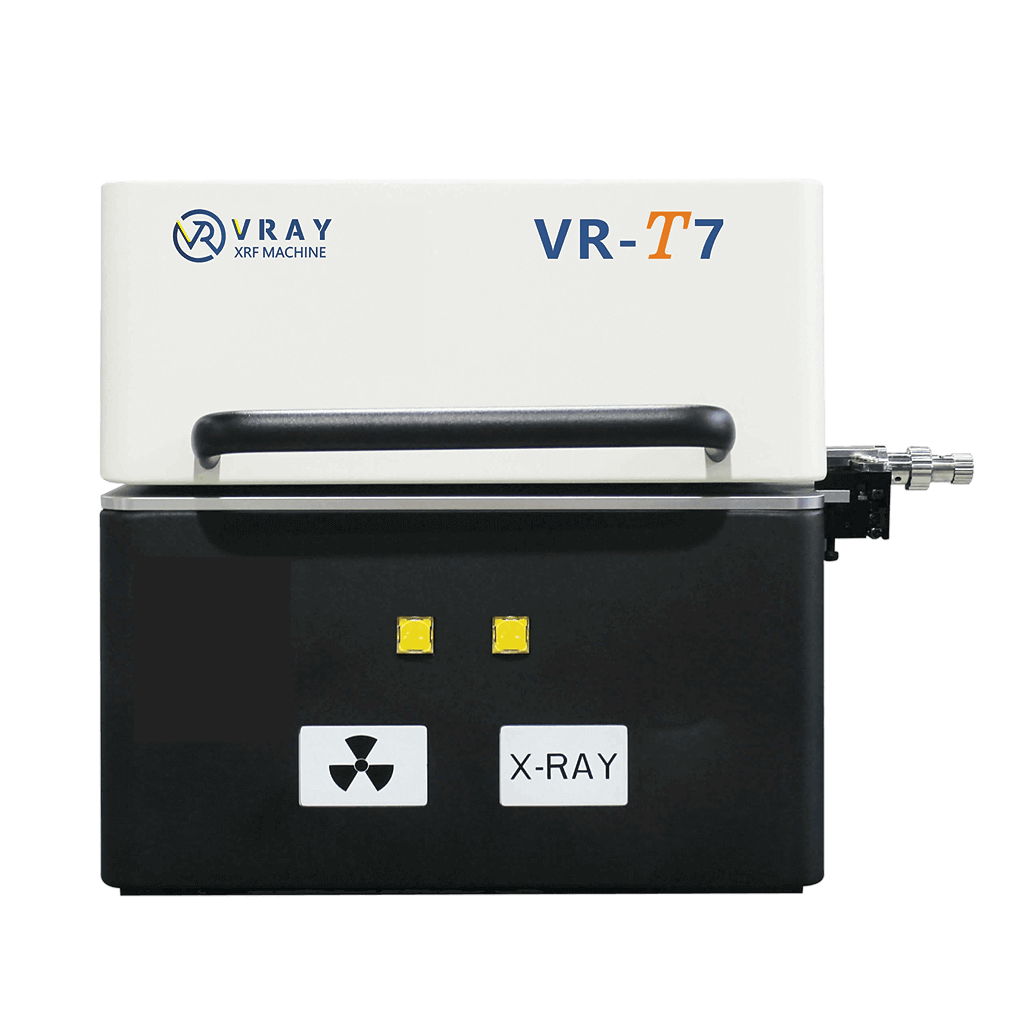
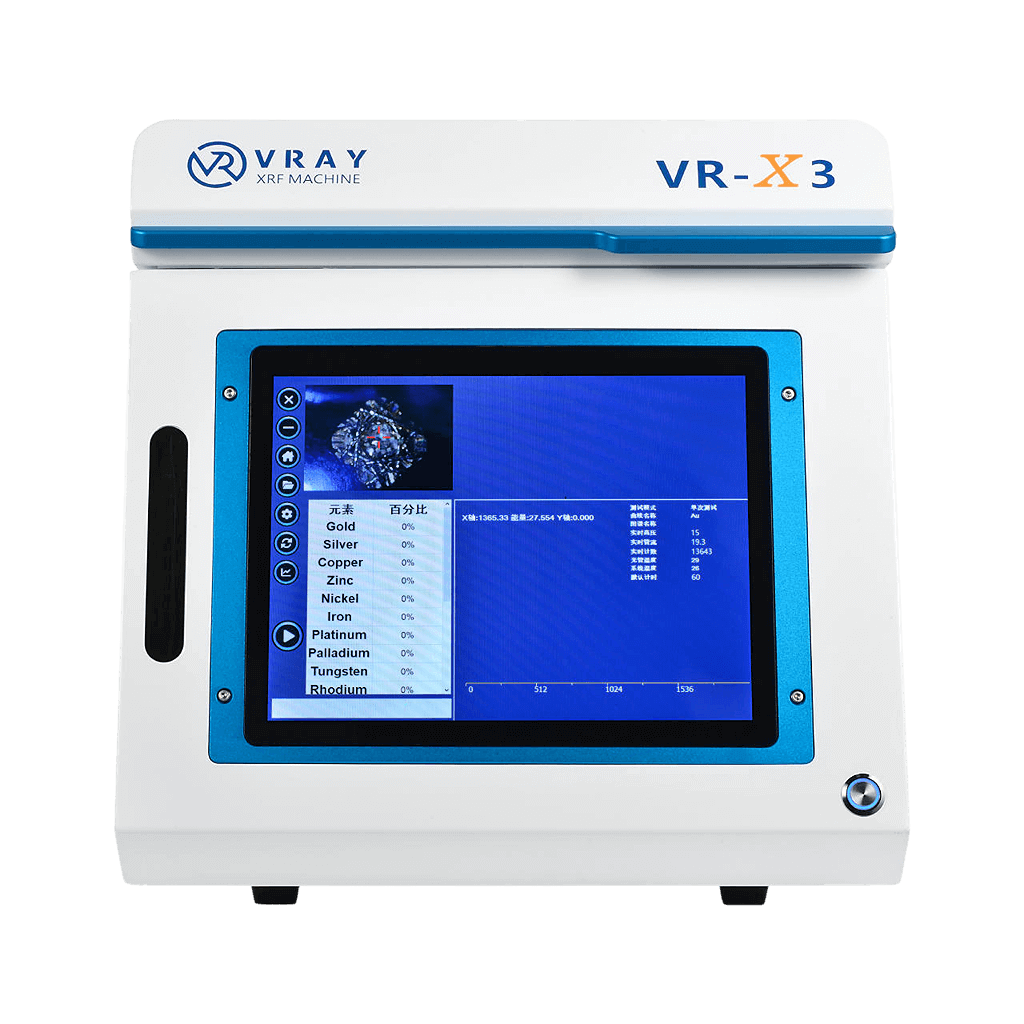
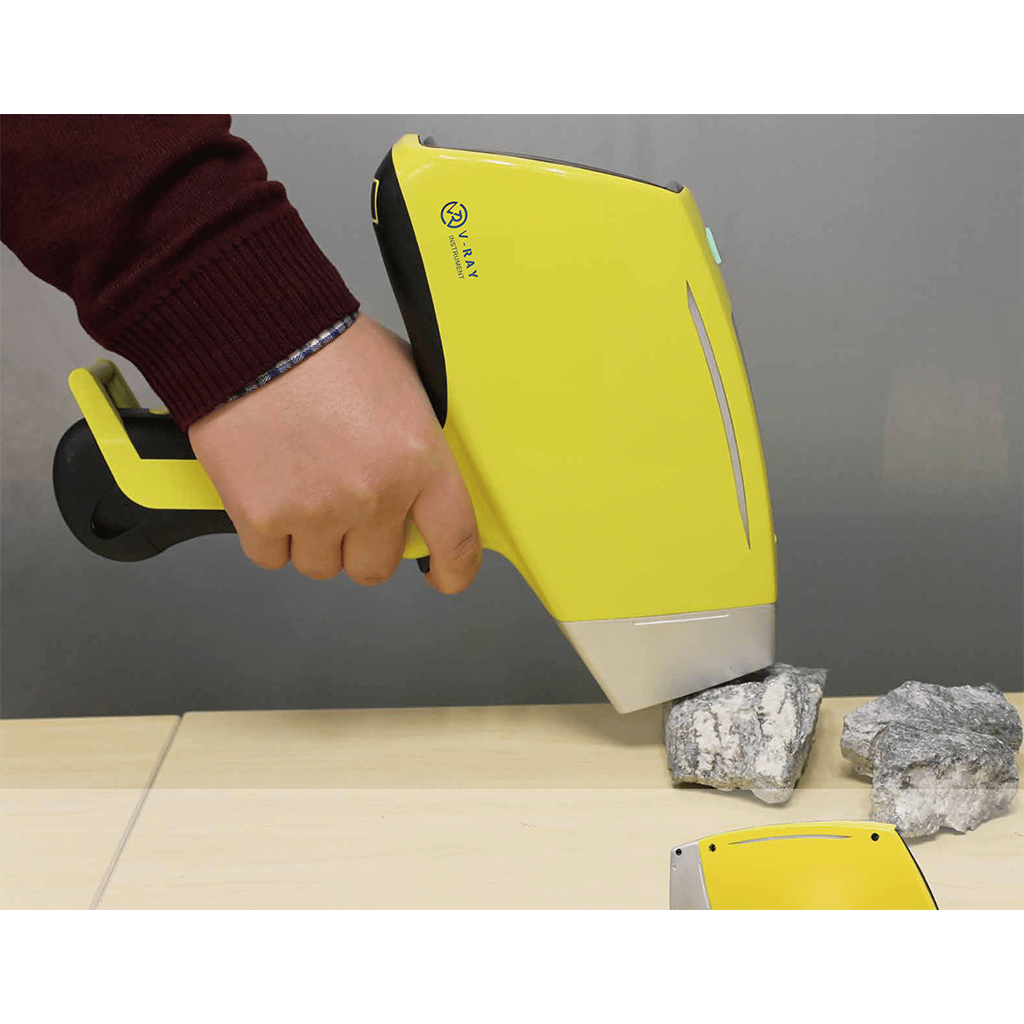
In a market where trust is compromised, scientific proof is the only alternative. X-ray Fluorescence (XRF) analysis has emerged as the definitive tool for jewelry authentication. By firing a high-energy X-ray beam at the jewelry, the device causes the atoms in the metal to fluoresce and emit secondary X-rays unique to each element. This allows the analyzer to provide a complete “metallurgical recipe” of the piece in seconds.
Multi-Element Detection: Instantly detects gold, silver, platinum, palladium, copper, nickel, zinc, and even prohibited metals like lead or cadmium.
Layer Analysis: Advanced XRF software can differentiate between solid alloys and plated shells by analyzing spectral attenuation.
Non-Invasive: Unlike fire assay or acid testing, XRF leaves the jewelry in pristine, marketable condition.
Professional Advice: Before finalizing a high-value transaction, demand a report from an XRF analyzer. A digital element analysis provides a level of security that a physical stamp simply cannot match.
How to Verify Hallmarks and Authenticity
When evaluating stamped jewelry, experts recommend a multi-layered approach to inspection. Never rely on a hallmark as the sole evidence of value.
Loupe Verification: Use a 10x magnification jeweler’s loupe. A genuine hallmark should be crisp and well-defined. Blurred edges or stamps that appear “smashed” often indicate a counterfeit applied by hand to a finished piece.
Search for Trademarks: A hallmark without a maker’s mark or trademark is a red flag. Legitimate manufacturers are required by law in most jurisdictions (including the US and UK) to stamp their unique identifier alongside the fineness mark.
Check Friction Points: Inspect areas of high wear, such as clasps and the inner side of ring bands. Discoloration or a “silver” shine emerging through a gold surface is an immediate indicator of plating.
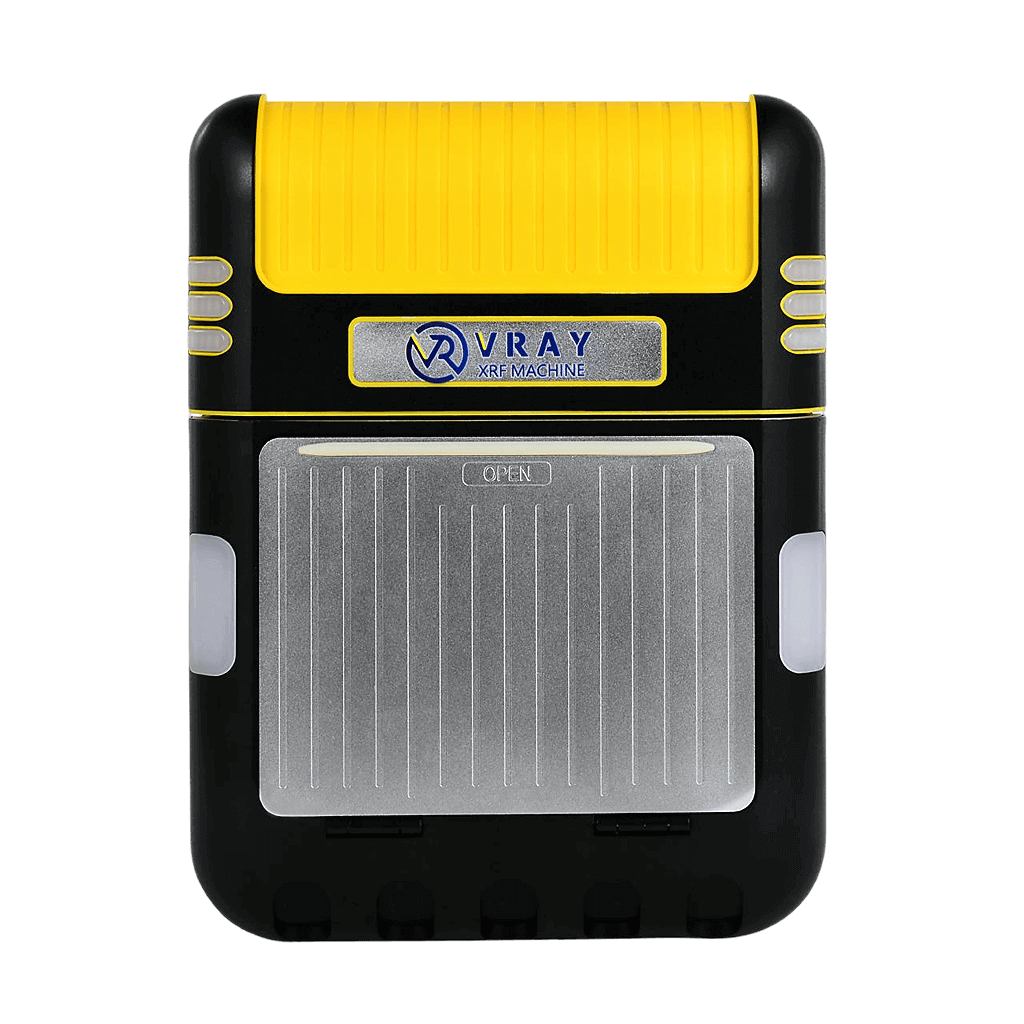
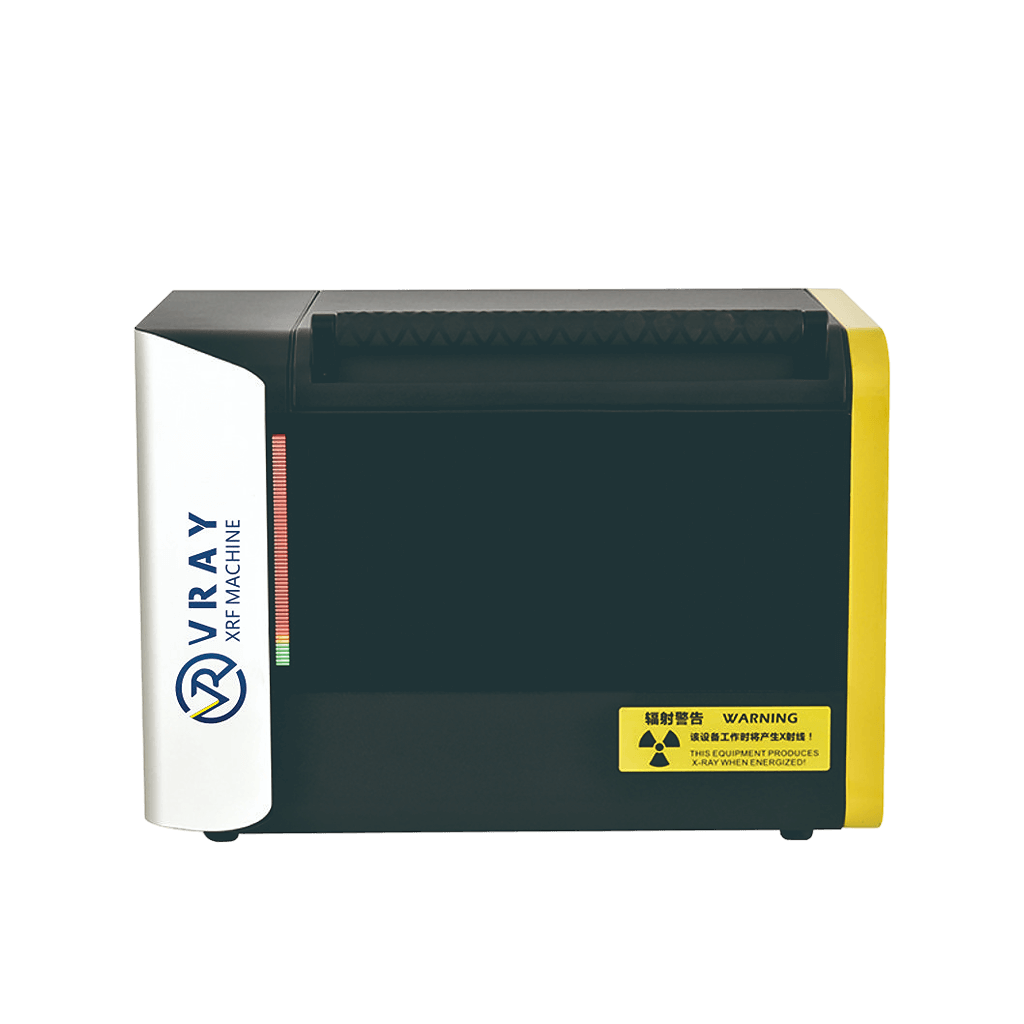
Atomic Confirmation: Use a handheld or benchtop XRF gold tester to confirm that the internal alloy matches the external stamp.
The Future of Trust: Digital Purity Reports
The future of the precious metals market lies in transparency. Leading jewelry houses and high-end pawn operations are moving toward “Digital Purity Passports.” These reports, generated by XRF instruments, provide a digital record of the item’s composition. This eliminates the “hallmark trust gap” and ensures that if an item is sold or insured, its value is backed by scientific data rather than an easily forged physical stamp.
“As metallurgical technology improves, so does the technology of deception. The hallmark, once a sacred seal, is now just a starting point for investigation.”
Frequently Asked Questions
What does “750” mean on a hallmark?
“750” is a millesimal fineness mark representing 18-karat gold. It indicates that the piece is composed of 750 parts gold out of 1000 (or 75% pure gold). Other common marks include 585 (14K) and 375 (9K).
Can a piece of jewelry be real without a hallmark?
Yes. Many vintage or custom-made pieces were never hallmarked, or the marks may have been worn away or removed during resizing. However, the absence of a hallmark makes XRF verification even more critical to establish value.
Is 14K always exactly 58.3% gold?
In the US, there is a legal tolerance. For items without solder, the gold must be within 3 parts per thousand of the mark. For items with solder, the tolerance is slightly wider. A professional alloy analyzer can detect these minute variances.
Does X-ray testing damage gemstones in stamped jewelry?
No. XRF analysis uses low-level X-ray radiation that is safe for both metals and the vast majority of gemstones. It provides a non-destructive way to test the metal setting around a mounted diamond or sapphire.
How can I find a reputable jeweler who uses XRF?
Look for jewelers who advertise “non-destructive testing” or “spectroscopic appraisal.” Most modern gold-buying refineries and high-end appraisers utilize handheld XRF devices to provide instant results for their clients.
For deeper insights into the science of precious metal verification and the latest in non-destructive testing equipment, explore our professional resource center.