











Many jewelry, pawn, and scrap metal professionals still rely on the “scratch and acid” method to verify precious metals. This ritual—rubbing a piece against a basalt stone and observing chemical reactions—has been the industry standard for decades. However, in a market that rewards precision and professional integrity, this outdated method brings hidden dangers that can erode your profits and damage your reputation more than you realize.
Key Takeaways
Financial Erosion: Traditional acid testing causes irreversible physical damage, often downgrading premium jewelry and coins to “scrap” value.
Technical Obsolescence: Chemical tests only evaluate the surface, making them dangerously ineffective against modern tungsten-filled or heavily plated counterfeits.
Health Hazards: Occupational exposure to toxic fumes from nitric and muriatic acids can lead to serious respiratory and tissue damage.
Efficiency Drain: Manual testing slows down operations, leading to lost sales and dissatisfied customers in a fast-paced environment.
Professional Standards: Modern non-destructive testing (NDT) methods like XRF provide accurate results without damaging items, preserving their full market value.
The Ritual vs. Reality: Why Acid Testing Persists
The scratch-and-acid method gained historical popularity due to its low entry cost and perceived simplicity. Most professionals use a kit containing 10K, 14K, and 18K acids along with a black polishing stone. By observing if a streak remains or dissolves, a technician can roughly estimate the karat of the gold.
While affordable and proven over time for simple alloys, acid testing is fundamentally an invasive process. To verify an asset’s value, you must physically remove a layer of metal. This creates a paradox: the very act of verification inflicts permanent damage on the item, a reality that is becoming difficult to justify to sophisticated modern investors and collectors.

The Direct Impact: From Premium Asset to Scrap Metal
When you drag a high-premium gold coin or a designer piece of jewelry across a basalt stone, you destroy its numismatic and aesthetic value. This financial “hidden tax” is significant. For example, even a small scratch on an American Gold Eagle can reduce its resale price by 5% to 15% below the spot price.
Destruction of Value
Once an item is scratched or etched by acid, it loses its “collector” status and is downgraded to “scrap.” This forces businesses to sell based solely on melt value rather than the item’s intrinsic or historical worth. In high-end jewelry, acid burns necessitate expensive refinishing and polishing, which further thins the metal and reduces the total weight.
Feature | Acid Testing | Modern NDT (e.g., XRF) |
|---|---|---|
Asset Condition | Destructive (Permanent Marks) | Non-Destructive (Zero Damage) |
Accuracy Level | Rough Estimate (Subjective) | High Precision (Digital Results) |
Technical Depth | Surface Level Only | Detailed Elemental Composition |
Operational Speed | Slow (Manual Steps) | Instant (Seconds) |
Health Risk | High (Toxic Fumes/Chemicals) | Low (Safe Digital Environment) |
The Inaccuracy Trap: Vulnerability to “Smart Fakes”
Perhaps the most dangerous pitfall of acid testing is its technical limitation. It is a surface-level evaluation. Modern counterfeiters utilize advanced electroplating to apply heavy layers of genuine 14k or 18k gold over base metals. Because the acid only reacts with the outer microns, a heavily plated counterfeit will often produce a “pass” result.
Sophisticated Counterfeits: Beyond the Scratch
Tungsten-Filled Gold: Tungsten has a nearly identical density to gold. Since acid cannot reach the center, these “salted” bars and coins easily pass scratch tests.
Alloy Manipulation: Counterfeiters now create “acid-resistant” alloys that delay chemical reactions long enough to finalize a fraudulent transaction.
Coating Masking: Rhodium or high-karat coatings can deceive a technician, leading to overvaluation of a low-purity item.
Health Hazards and Environmental Liabilities
The process of scratching and applying acid releases microscopic particles and invisible vapors. For staff performing dozens of tests daily, the cumulative exposure to toxic fumes like nitrogen dioxide can lead to chronic respiratory irritation, pulmonary edema, or bronchitis. Furthermore, acidic vapors are corrosive to the very tools used in the shop, settling on sensitive electronics and expensive displays.
Concentration (ppm) | Health Severity | Symptom Description |
|---|---|---|
5 | Allowable Limit | Long-term sustainable limit for workplace exposure. |
10 – 50 | Mild Symptoms | Tearing, coughing, sneezing, runny nose. |
50 – 100 | Moderate Risk | Difficulty breathing, chest pain; life-threatening in 60 mins. |
1,000+ | Serious Danger | Unconsciousness, suffocation, and potential death. |
Calculating the ROI: Trading Kits for Professional Tech
A pragmatic business analysis reveals that a $20 acid kit is a “false economy.” The true cost includes the financial disaster of a single “bad buy” and the permanent value depreciation of all tested inventory. A single counterfeit 1oz gold bar passing a surface acid test can result in a loss exceeding $2,000—roughly 10% of the cost of a professional XRF analyzer.
“Accuracy is not just a technical requirement; it’s a financial strategy. Modern methods like XRF provide live testing results in front of clients, fostering trust and ensuring every transaction meets high standards of reliability.”
The Shift to Non-Destructive Testing (NDT)
To mitigate these risks, industry leaders are pivoting toward sophisticated technologies:
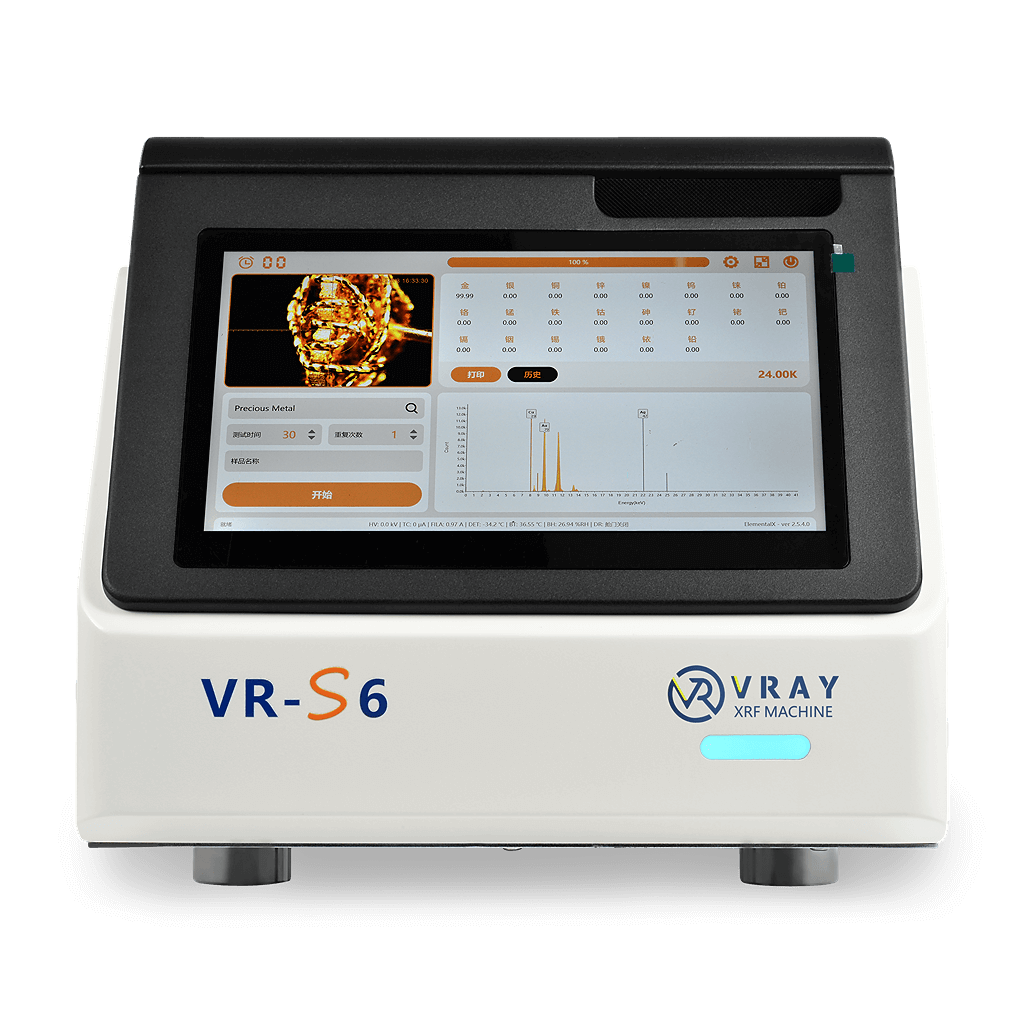
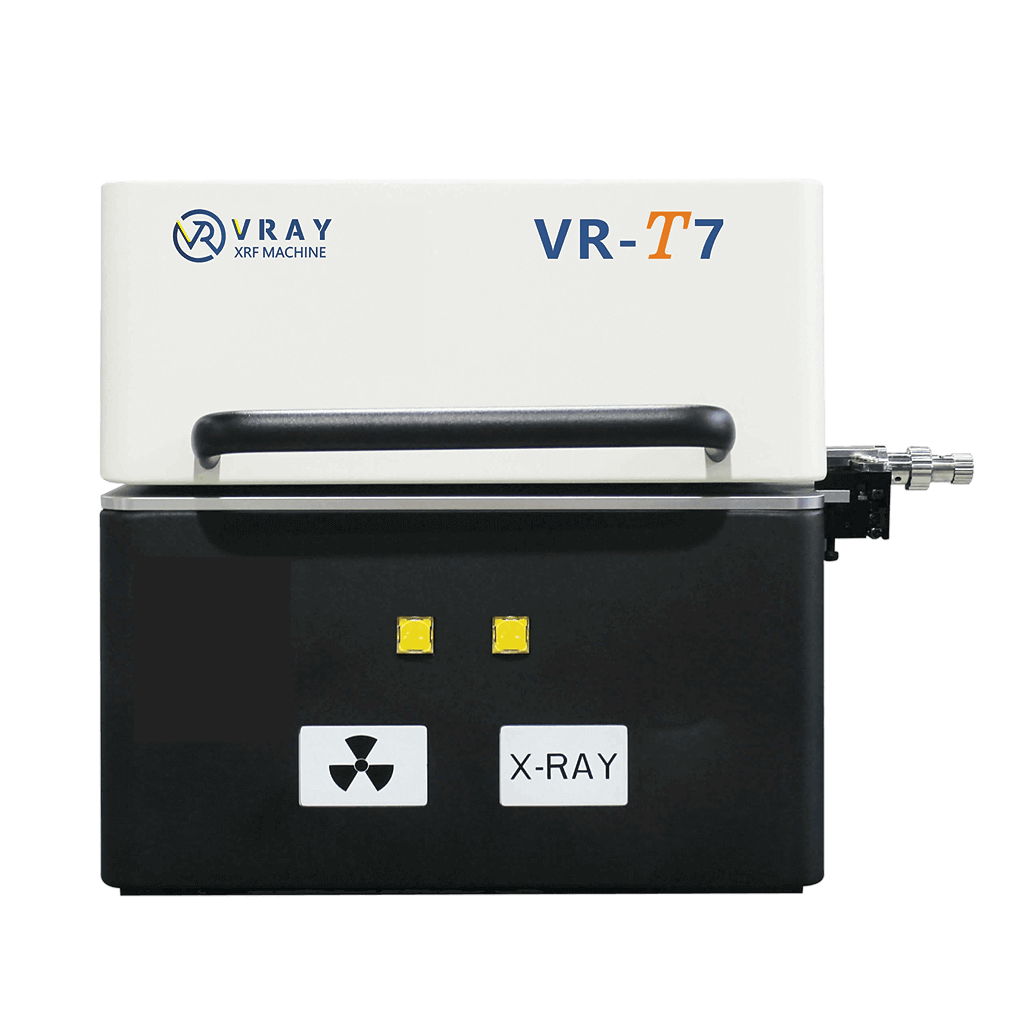
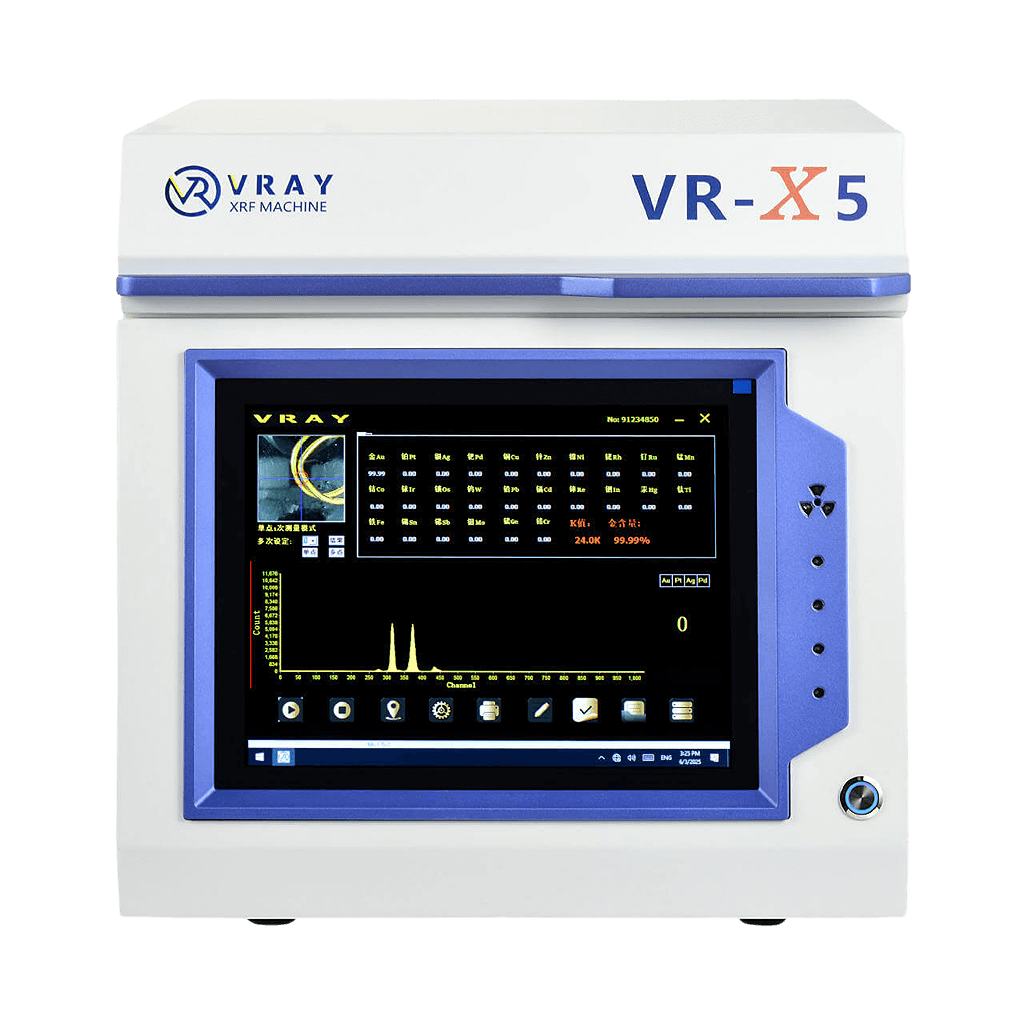
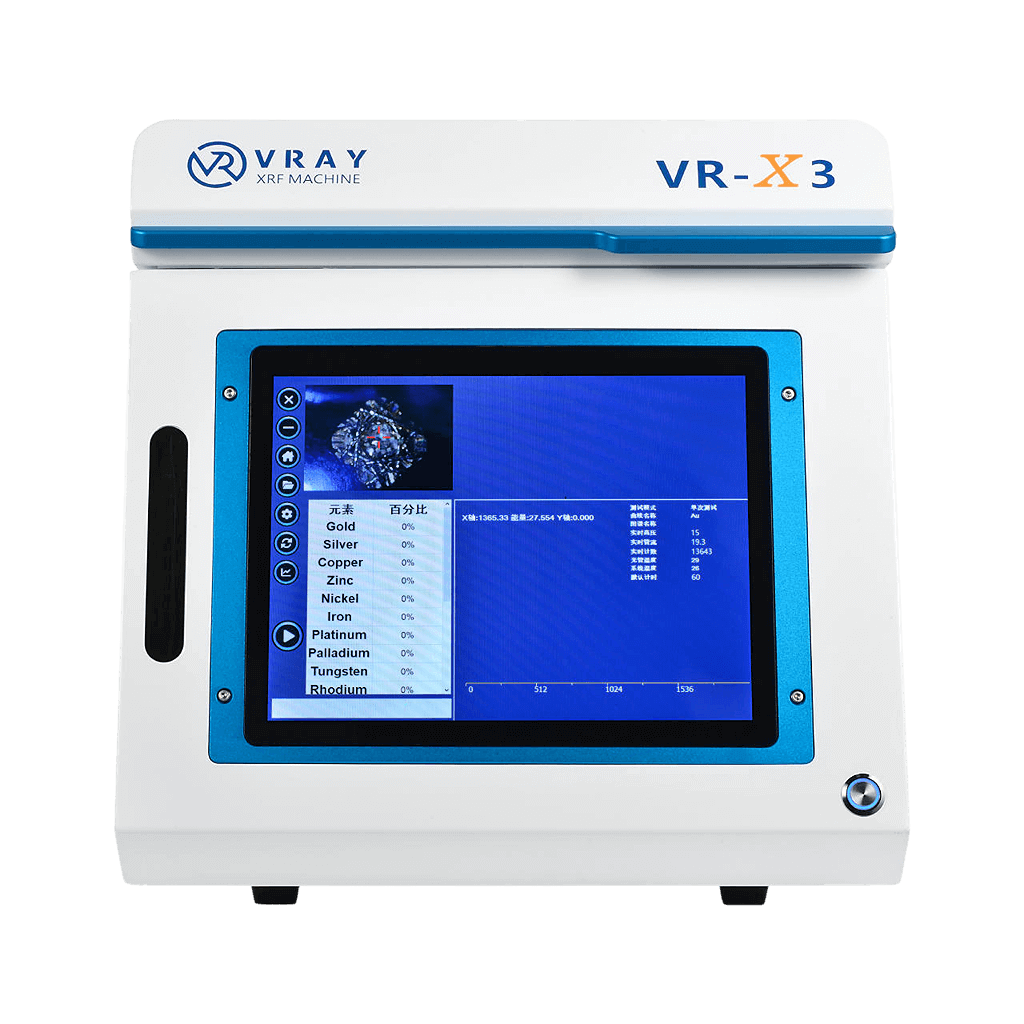
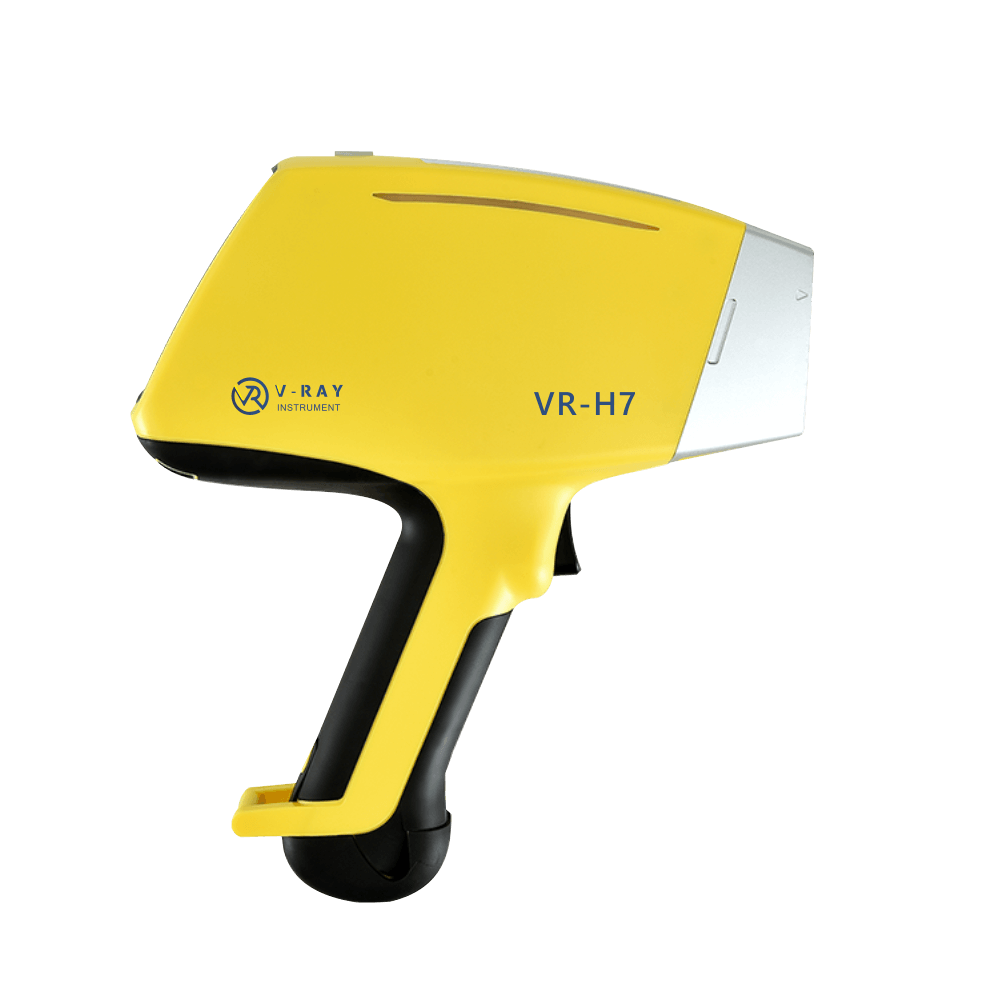
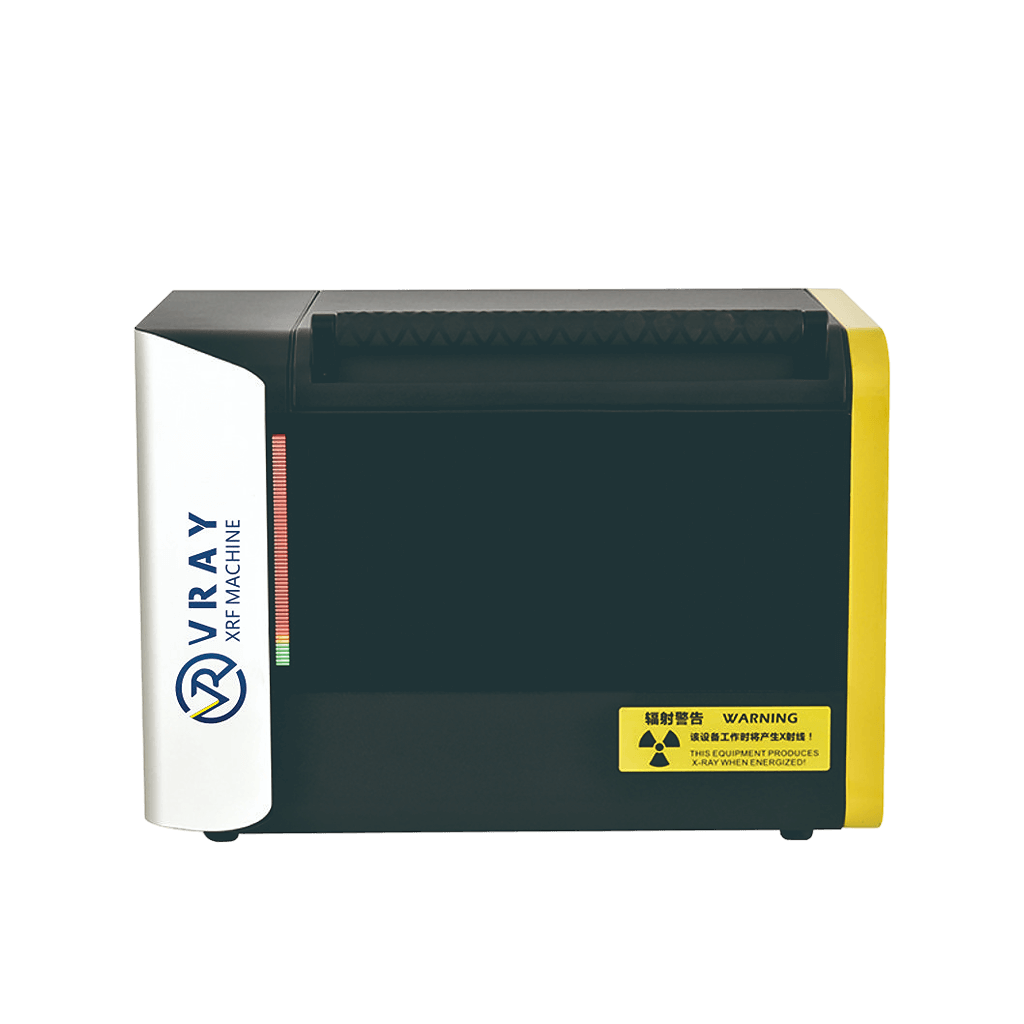
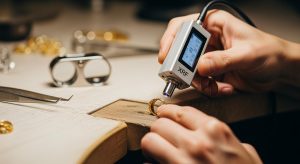
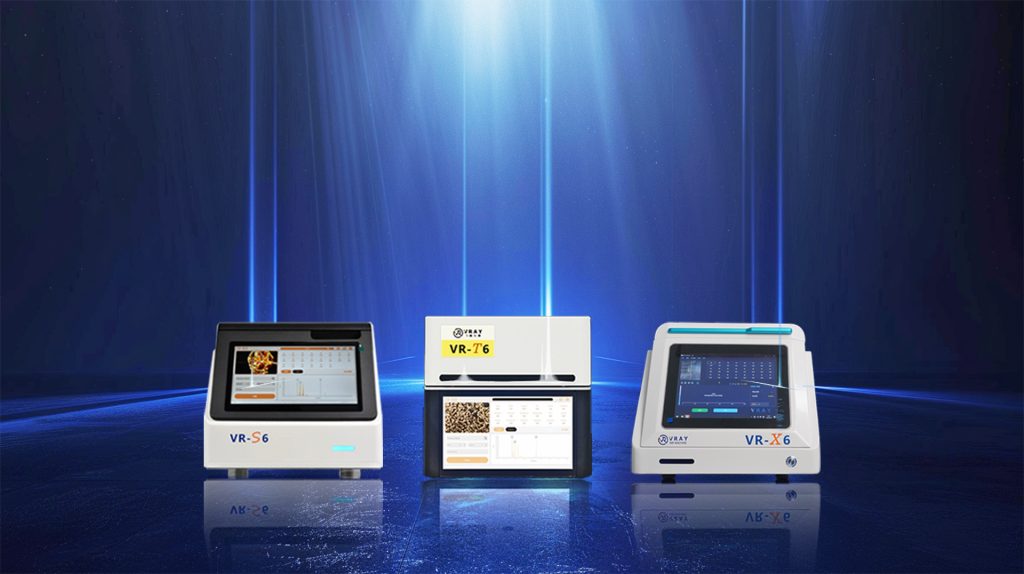
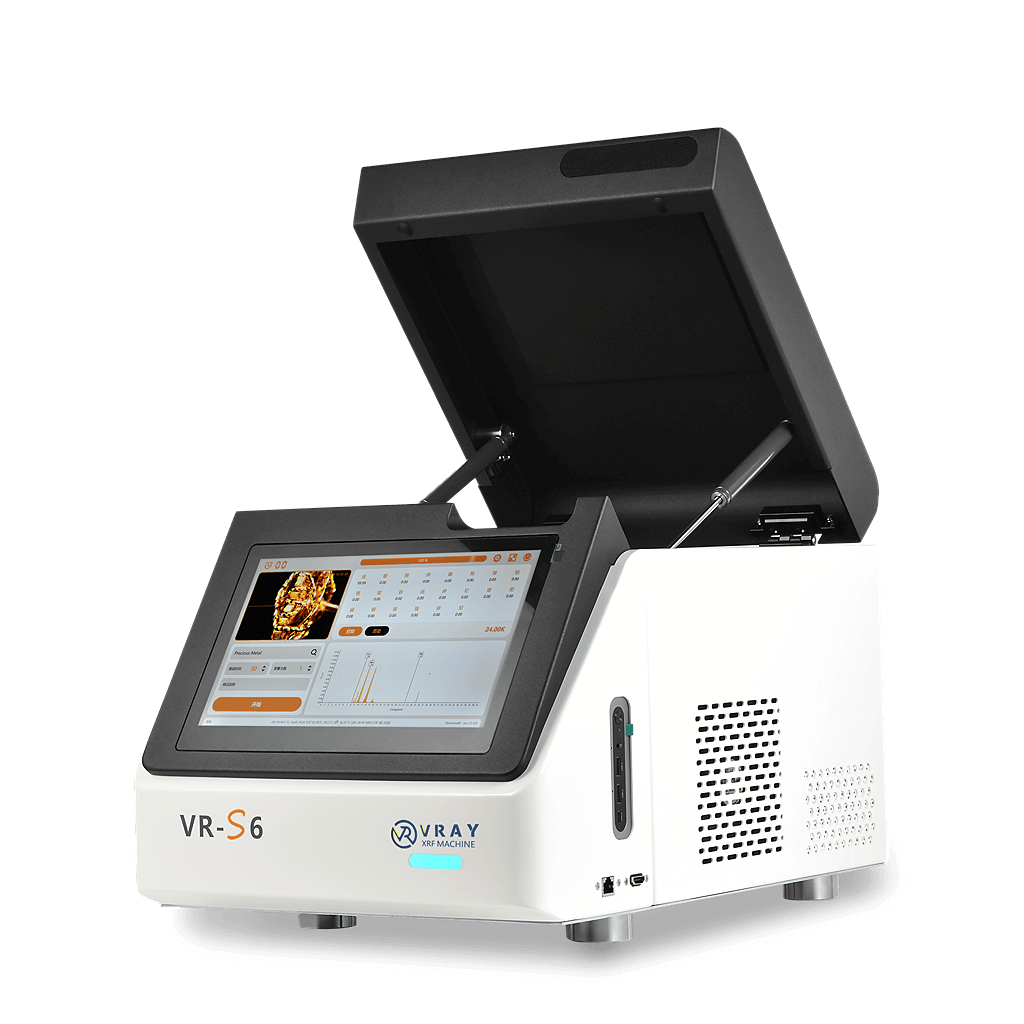
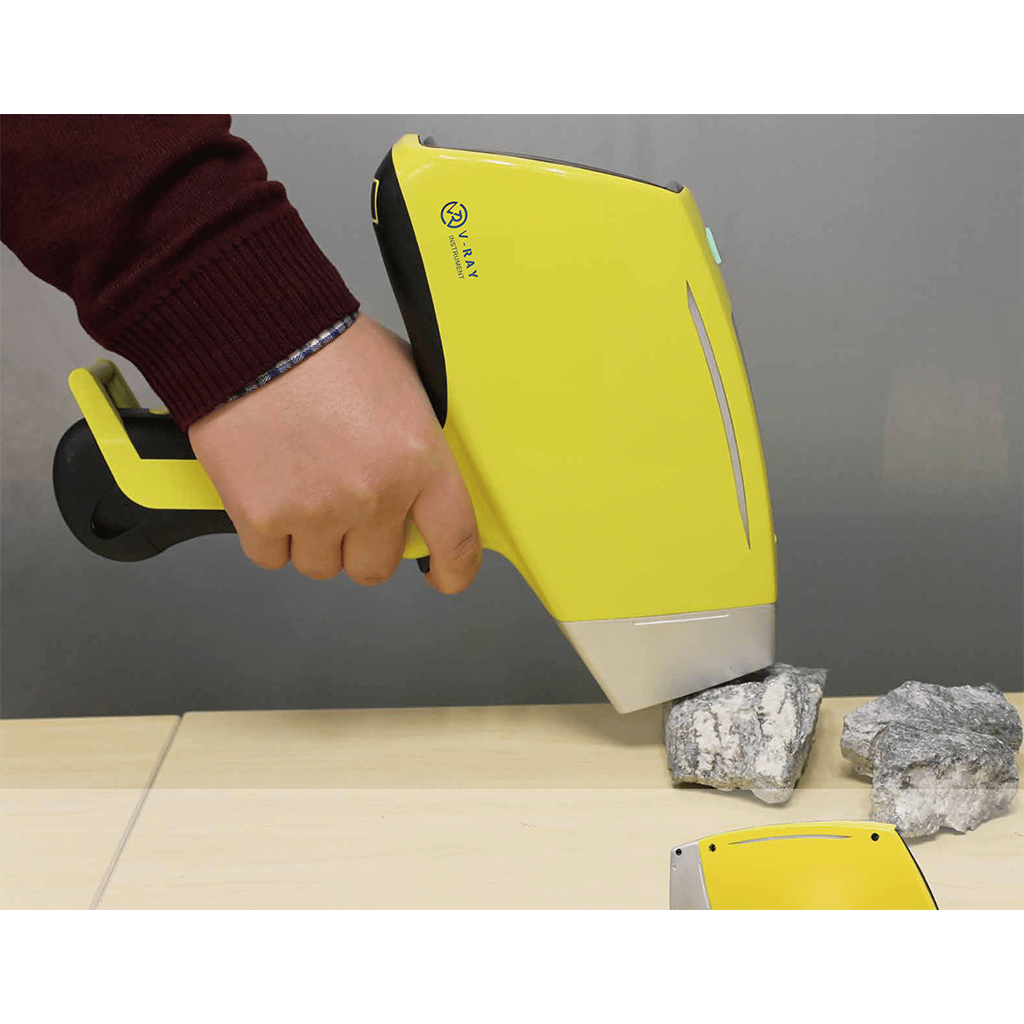
X-Ray Fluorescence (XRF): Identifies the exact chemical breakdown (gold, silver, platinum, copper, zinc) in seconds without any physical contact.
Eddy Current Testing: Used in devices like the Sigma Metalytics Precious Metal Verifier to “see” through the core of a coin or bar, catching tungsten centers that acid misses.
Ultrasonic Testing: Detects internal voids or inclusions, essential for large bullion bars.
Erosion of Customer Trust
Customer trust is the foundation of the jewelry and pawn industry. Acid testing looks unprofessional and messy. Seeing a valuable heirloom scratched or exposed to harsh chemicals can have a negative psychological effect on customers. They may question the accuracy of the result and the expertise of the handler. In contrast, digital tools provide objective data, transparent results, and peace of mind for both buyer and seller.
Frequently Asked Questions (FAQ)
Does acid testing always damage the item?
Yes. Even if the acid is only applied to a scratch on a stone, the physical scratch on the item is permanent and reduces the aesthetic and resale value, especially for numismatic or designer pieces.
Why can’t acid testing detect tungsten?
Acid testing is a surface-level chemical reaction. Tungsten has a density nearly identical to gold and is often hidden deep inside a thick gold plating. Since the acid cannot reach the core, the tungsten remains undetected.
Is XRF testing safe for a retail environment?
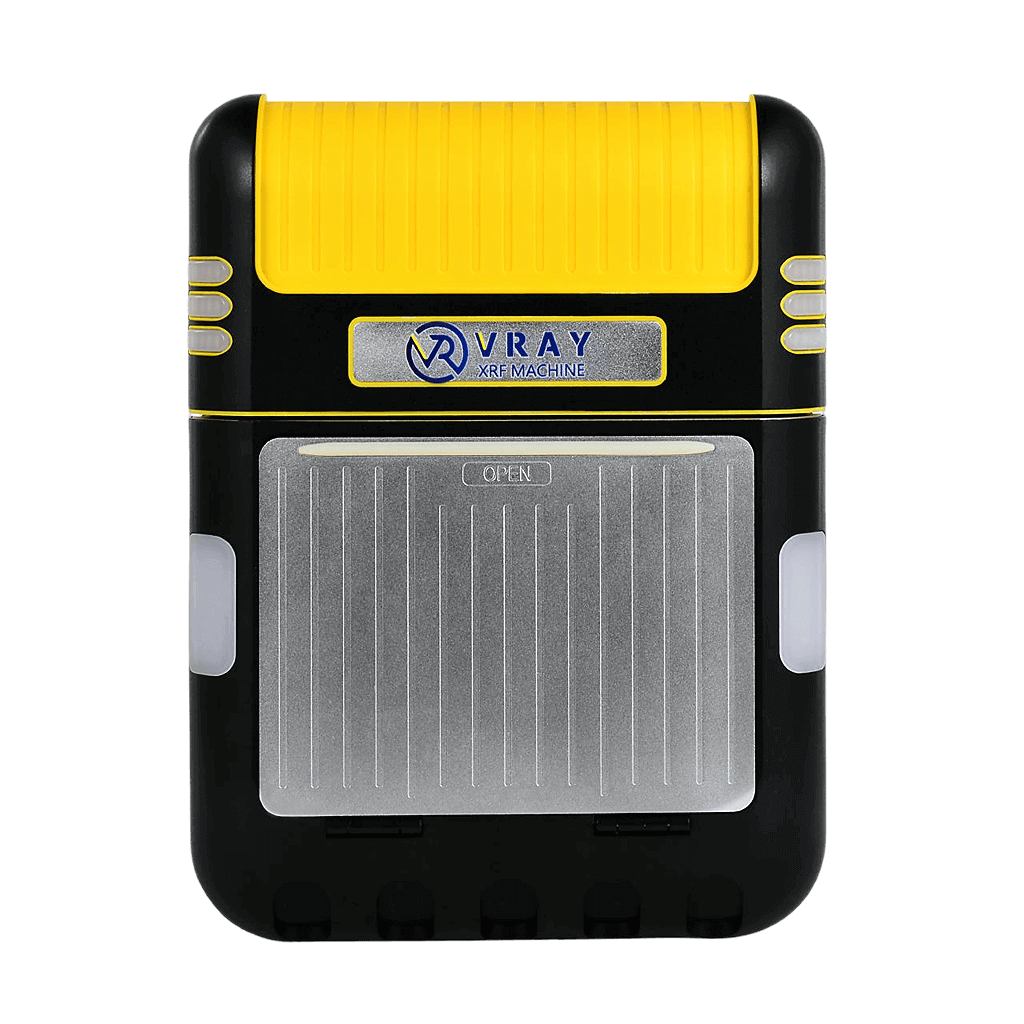
Yes. Modern handheld and benchtop XRF analyzers are designed with safety shielding. Unlike acid testing, they produce no toxic fumes, involve no corrosive chemicals, and provide a clean “dry” laboratory environment.
Can I test gold through plastic holders?
Certain non-destructive methods, such as electromagnetic testing, allow you to verify coins and bars through plastic flips or assay cards without ever touching the metal, ensuring the asset remains in “mint” condition.
How quickly does an XRF analyzer pay for itself?
For medium-to-high volume dealers, the ROI is typically reached within 6-12 months. This is achieved by preventing fraudulent “bad buys” and retaining the premium value of inventory that would otherwise be damaged by scratches.