

















As gold prices reach historic highs in 2026, the market has seen a surge in sophisticated counterfeits. Many amateur investors and jewelry buyers rely on the “Magnet Test” as their primary defense. It seems foolproof: gold isn’t magnetic, so if it doesn’t stick, it must be real—right? Unfortunately, this oversimplification is one of the most dangerous myths in the precious metals industry. While the magnet test can spot cheap fakes, it is easily bypassed by modern, high-quality counterfeits.
Key Takeaways
Gold is Diamagnetic: Genuine gold is not attracted to magnets; it is actually weakly repelled by them.
A Filter, Not a Verdict: The magnet test only detects ferromagnetic impurities like iron or nickel; it cannot identify non-magnetic fakes.
The Tungsten Problem: Modern counterfeits use tungsten, which has the same density as gold and is non-magnetic, perfectly fooling the magnet test.
Neodymium is Essential: Standard refrigerator magnets are too weak for accurate screening; high-powered rare-earth magnets are required.
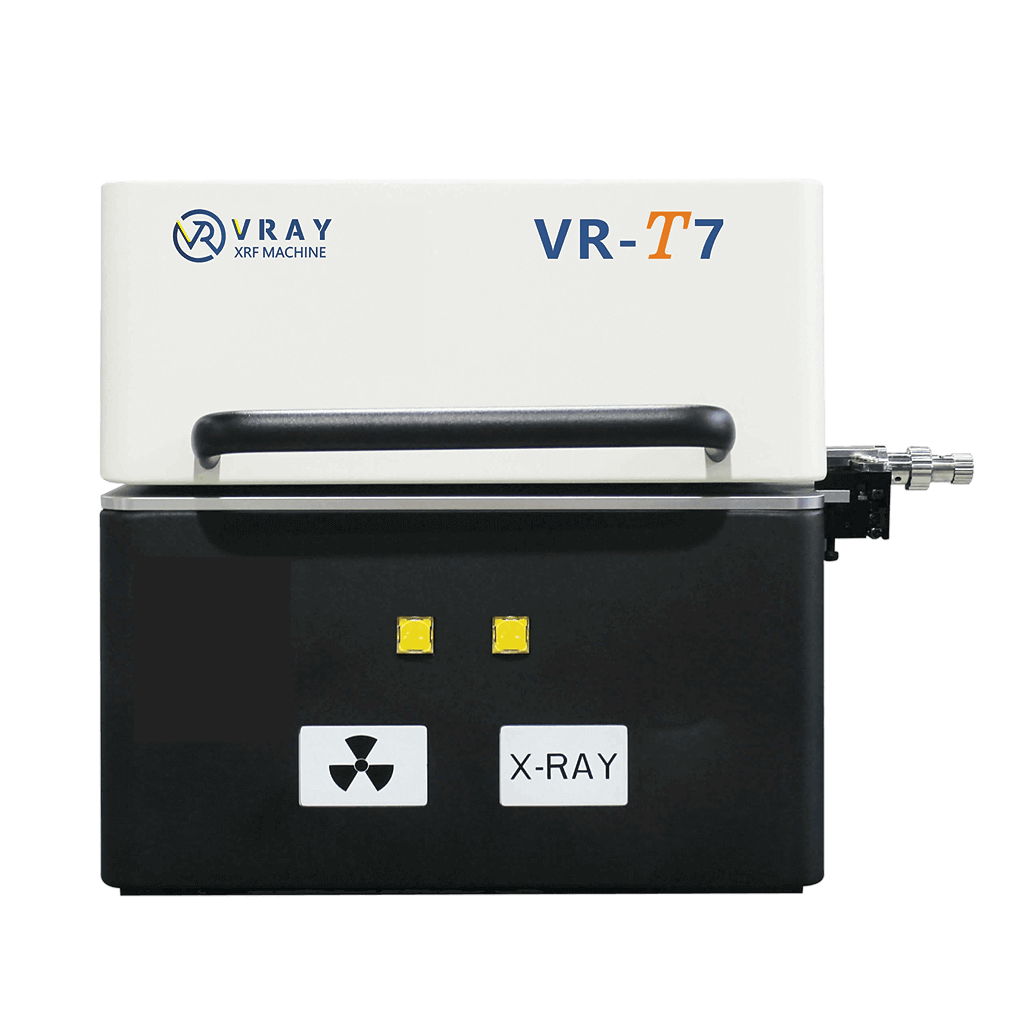
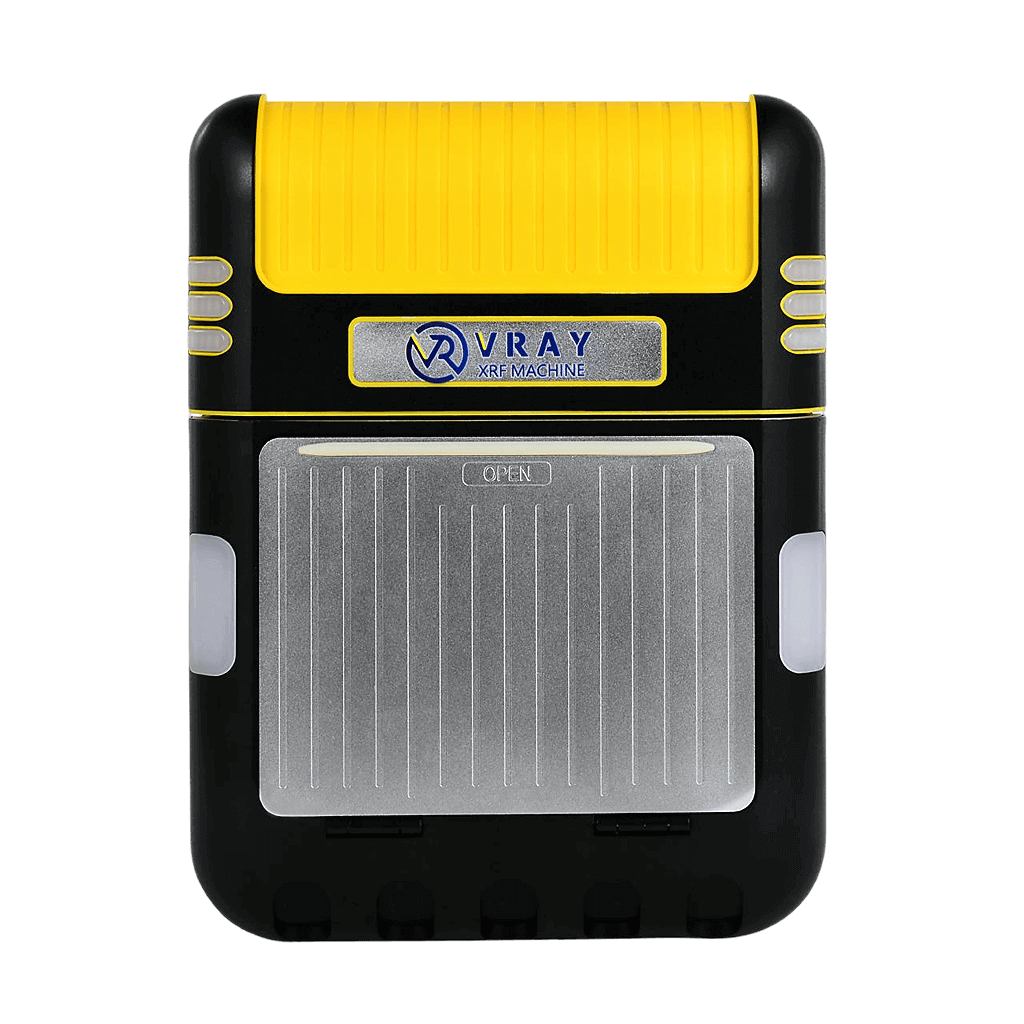
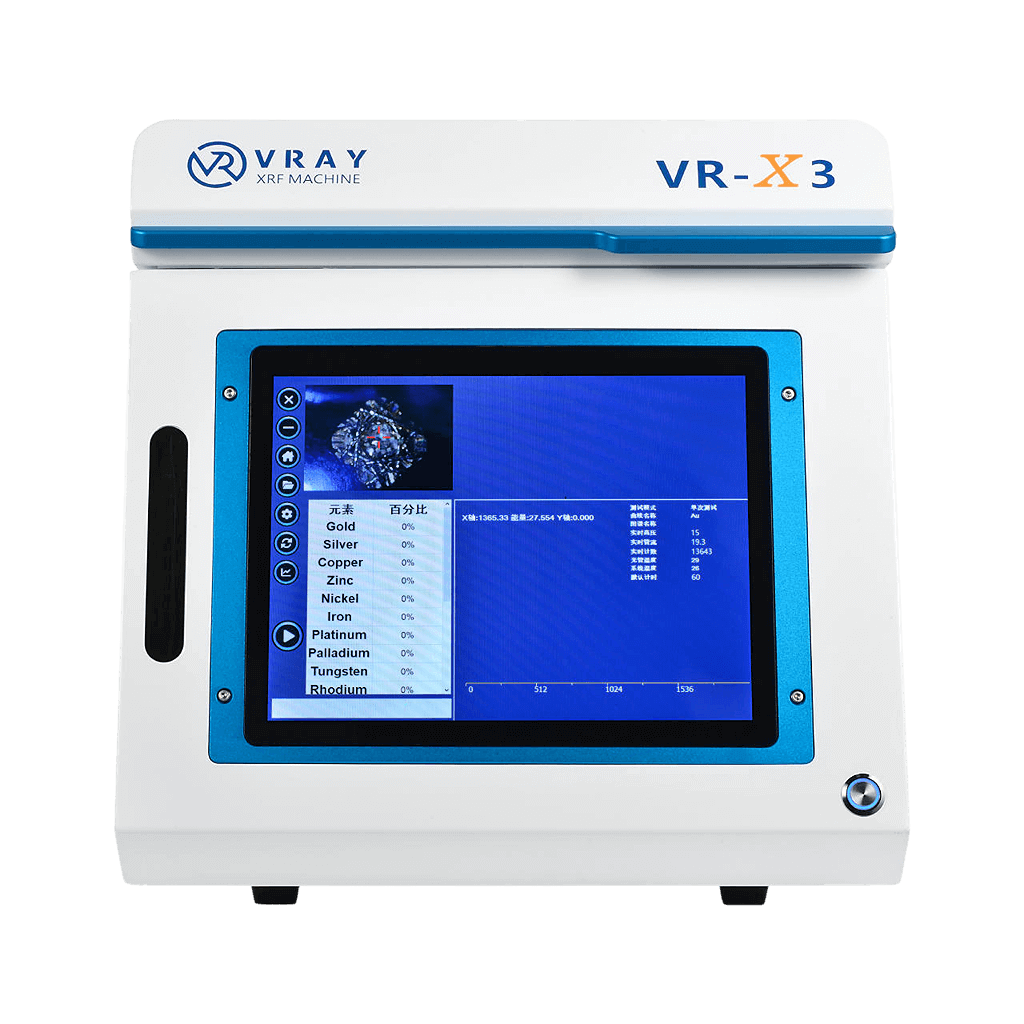
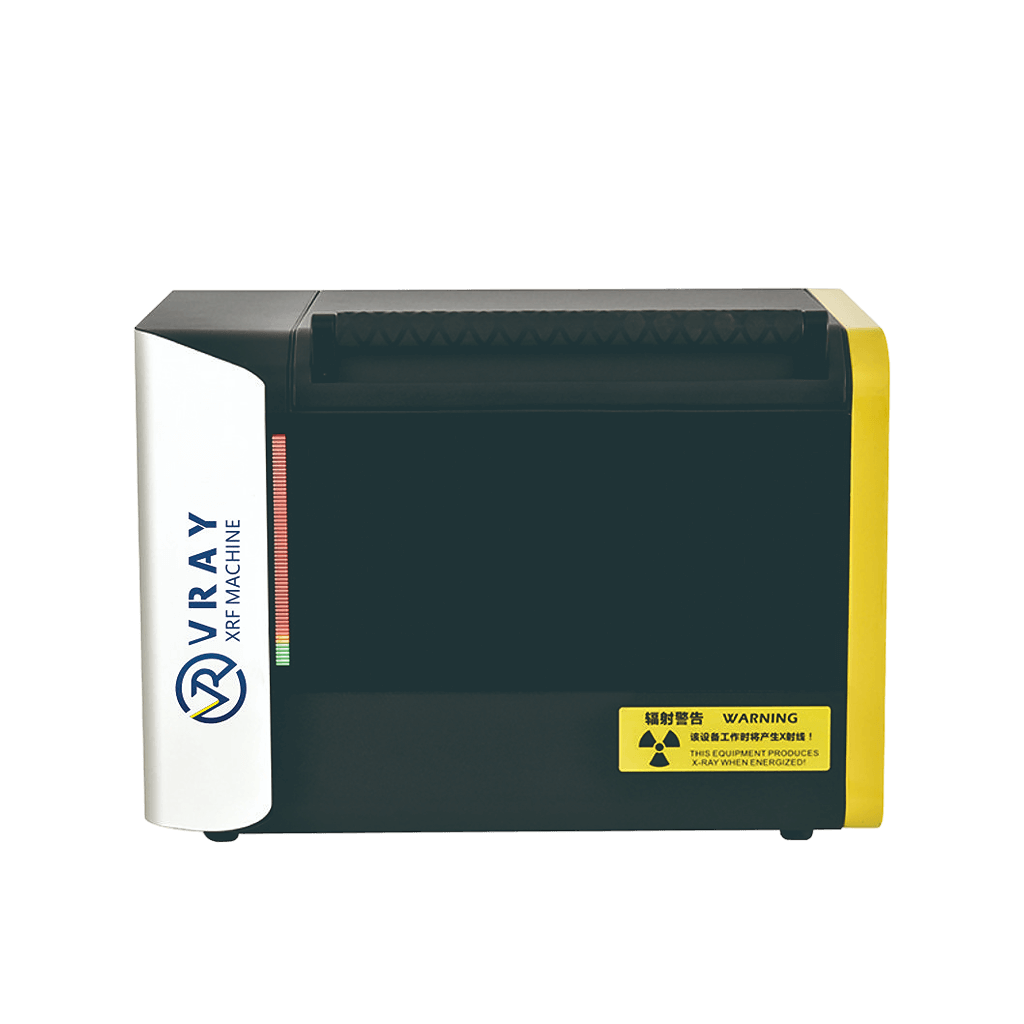
Professional Verification: For 100% certainty, advanced methods like XRF (X-ray Fluorescence) analysis are necessary to detect hidden base metals.
The Science: Why Genuine Gold Isn’t Magnetic
The scientific premise of the magnet test lies in gold’s atomic structure. Gold is classified as a diamagnetic metal. This means that instead of being attracted to a magnetic field, its paired electrons create a weak repulsive force. In everyday situations, this reaction is so subtle that gold appears completely inert to magnets.
When you perform a magnet test, you are actually looking for ferromagnetic impurities. If a piece of jewelry “jumps” to a magnet, it likely contains a core of iron, steel, cobalt, or nickel. These metals are frequently used as heavy base materials in low-quality gold-plated items.
Metal Type | Magnetic Property | Reaction to Magnet |
|---|---|---|
Pure Gold (24K) | Diamagnetic | No Reaction (Inert) |
Pure Silver | Diamagnetic | No Reaction (Inert) |
Iron / Steel | Ferromagnetic | Strong Attraction |
Nickel | Ferromagnetic | Moderate Attraction |
The Dangerous Myth: Why You Can’t Fully Trust a Magnet
The prevailing myth suggests that a “pass” on the magnet test equals authenticity. However, this logic is fundamentally flawed because a magnet can only tell you what a metal isn’t—it cannot confirm what it is. Many common base metals used in gold-plated jewelry are also non-magnetic. If a counterfeiter uses a core that doesn’t react to magnetic fields, the item will pass the magnet test as easily as 24-karat bullion.

The Non-Magnetic Imposters
Today’s sophisticated “super fakes” are engineered to bypass basic DIY tests. The following materials are non-magnetic and often masquerade as gold:
Copper and Brass: The most frequent culprits in gold-plated items. Brass (copper and zinc) is non-magnetic and, when heavily plated, is indistinguishable to the naked eye.
Lead and Bismuth: These dense, non-magnetic metals are used to add “heft” to counterfeit coins and trinkets.
Tungsten: The most dangerous fake. Tungsten’s density (19.25 g/cm³) is nearly identical to gold (19.30 g/cm³), and it is completely non-magnetic.
“Relying on the magnet test for gold is like trying to spot a counterfeit bill just by feeling the paper. It might catch a poor-quality fake, but it cannot detect a well-made counterfeit.”
When the Magnet Test Actually Works: Spotting Cheap Fakes
Despite its limits, the magnet test remains a valuable “deal-breaker” tool for identifying iron-based cores. When performing a check with a high-powered neodymium magnet, look for these specific reactions:
The “Jump” Test: If the item literally jumps to attach itself, it contains a high concentration of iron or steel.
The Drag Effect: If you slide the magnet over the surface and feel a slight resistance or “tug,” the item likely contains magnetic impurities or nickel binders.
The Clasp Exception: Note that many genuine gold chains use steel springs inside the clasps. If only the tiny spring inside the clasp sticks, the piece may still be authentic. However, if the links of the chain are attracted, it is a fake.
Beyond the Magnet: More Reliable Home Tests
To gain a clearer picture without professional equipment, combine the magnet test with these DIY methods:
The Hallmark Inspection: Look for official stamps (10K, 14K, 18K, etc.). Be wary of stamps like “GP” (Gold Plated), “GF” (Gold Filled), or “GEP” (Gold Electroplated).
The Float Test: Gold is incredibly dense. Solid gold will sink immediately to the bottom of a water container. Items that float, hover, or drift slowly are likely plated base metals.
The Vinegar Test: Apply a few drops of white distilled vinegar to an inconspicuous area. Real gold is chemically inert and will not change color. Base metals will react, often turning black or greenish.
Ceramic Scratch Test: Rub the item against an unglazed ceramic plate. A golden streak indicates real gold; a black or dark streak signals a base metal fake.
Professional Verification: XRF and Advanced Tech
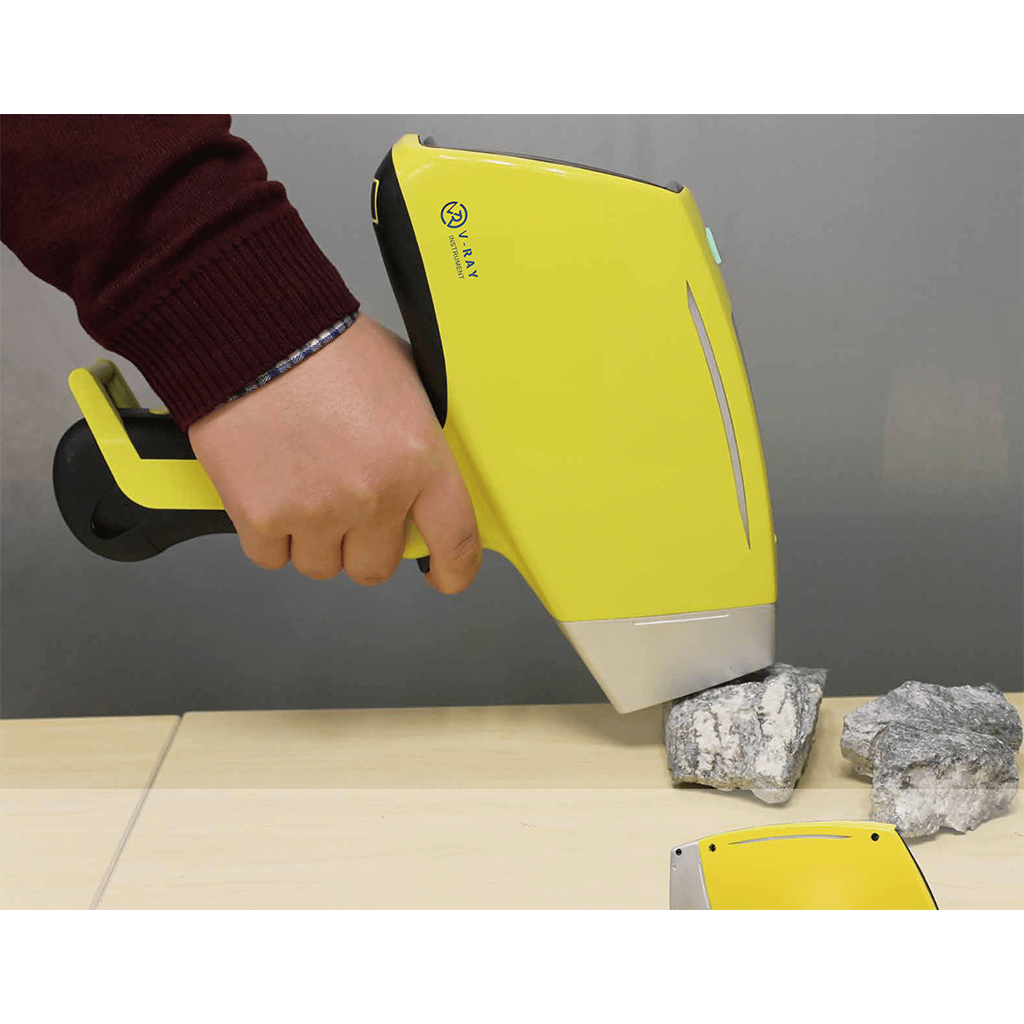
For high-value investments, professional diagnostic technology is mandatory. Modern gold buyers have moved away from subjective tests toward scientific precision. According to industry surveys, over 68% of professional gold buyers now use XRF analyzers as their primary verification method.
X-Ray Fluorescence (XRF) Analysis
This non-destructive method examines the atomic structure of the metal. The analyzer sends X-rays into the sample, causing atoms to emit secondary X-rays unique to each element. Within seconds, the device provides an exact chemical breakdown, identifying not just the gold content, but every alloying element present. This is the only way to detect advanced plating and “salted” cores without damaging the item.
Testing Method | Reliability | Non-Destructive? |
|---|---|---|
Magnet Test | Low | Yes |
Acid Test | Moderate | No (Requires Scratches) |
Sigma Metalytics | High | Yes |
XRF Analysis | Highest | Yes |
Conclusion: Building a Multi-Layered Defense
The magnet test is a convenient first step, but it should never be the final word. In an era of high-tech fakes, the peace of mind that comes from expert authentication is your most valuable asset. Always combine multiple home tests and, for significant purchases, insist on a professional XRF scan. Protecting your investment requires moving beyond surface-level aesthetics to scientific certainty.
Frequently Asked Questions (FAQ)
Can 14K or 18K gold be magnetic?
Pure gold is non-magnetic, but 14K and 18K gold are alloys. If they contain high amounts of nickel or cobalt, they may exhibit a very weak magnetic pull, but a strong attraction almost always indicates a fake.
Why does the magnet test fail on tungsten?
Tungsten is used in high-end fakes because its density is nearly identical to gold, and it is non-magnetic. Because it shares these two key properties with gold, a magnet cannot distinguish between them.
Is gold plating easy to spot with a magnet?
Not if the base metal is non-magnetic, like copper or brass. A magnet will only reveal plating if the core is made of iron or nickel.
Will a regular refrigerator magnet work?
No. Most refrigerator magnets are too weak to penetrate the thick gold plating of modern fakes. You must use a high-powered neodymium magnet for an accurate screening.
What should I do if my gold passes the magnet test?
Move on to the float test and hallmark inspection. If the item has significant value, take it to a professional for an XRF analysis to confirm there are no hidden non-magnetic base metals inside.