 VRAY インストゥルメント
In today’s fast-paced world, accurate and non-destructive testing of materials is critical in various industries, from jewelry to aerospace. One of the most effective tools for this purpose is the XRFアナライザー. But what exactly is an XRF analyzer, and how does it work? このブログでは, we’ll explore the fundamentals of XRF technology, its applications, and why it has become a staple in material analysis.
What is an XRF Analyzer?
XRF stands for X-ray fluorescence, a non-destructive analytical technique used to determine the elemental composition of materials. An XRF analyzer is a device that utilizes this technique to identify and quantify the elements within a sample. It’s a versatile tool used in various industries, including metal manufacturing, ジュエリー, エレクトロニクス, environmental science, その他.
XRF テクノロジーの仕組み?
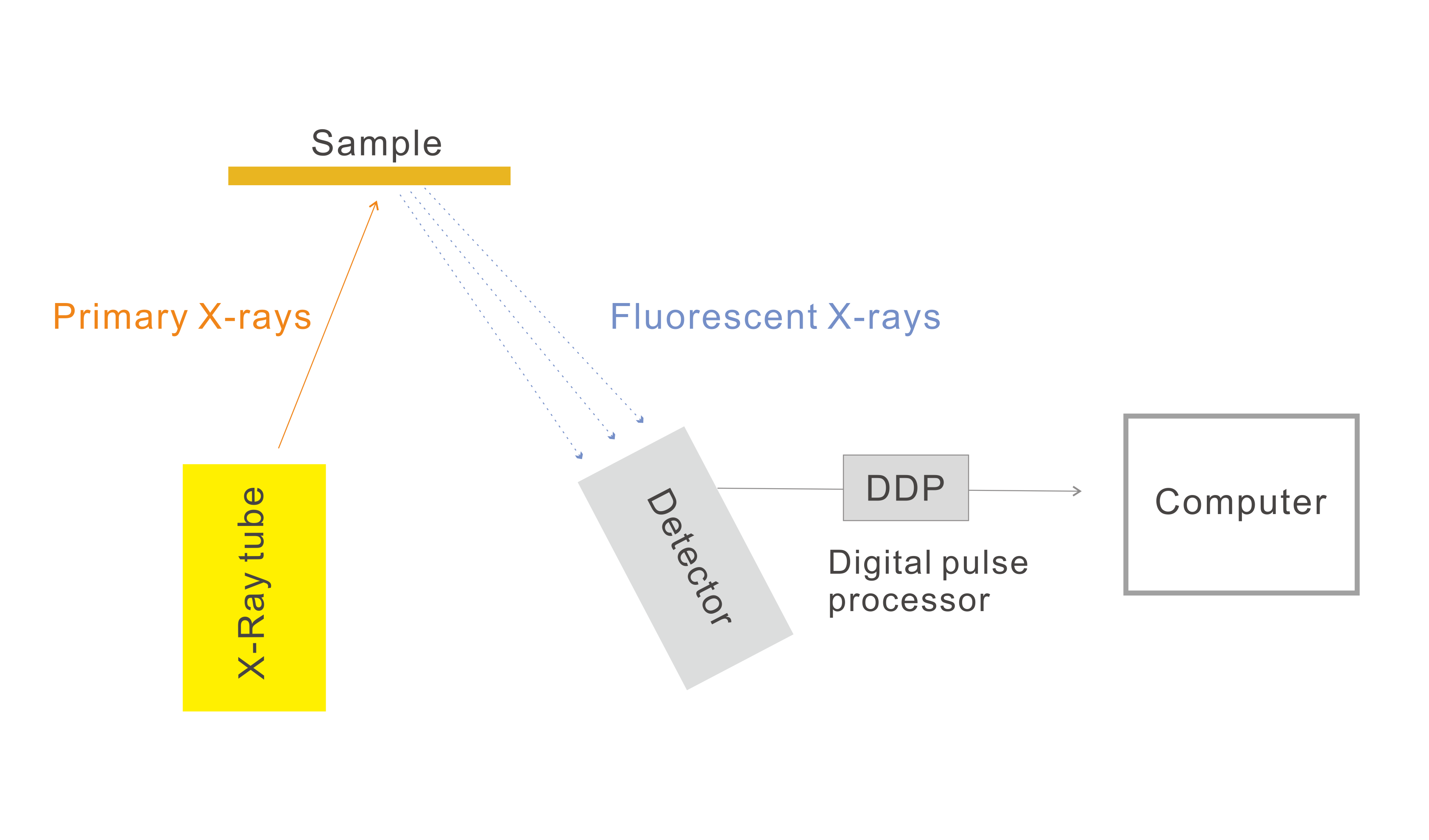
The core principle behind XRF technology is the interaction between X-rays and matter. Here’s a step-by-step breakdown of the process:
1. X線の放射: The analyzer emits high-energy X-rays towards the sample.
2. Interaction with the Sample: These X-rays interact with the atoms in the sample, causing them to emit secondary X-rays, known as fluorescent X-rays. Each element emits X-rays at a specific energy level, which acts like a fingerprint for that element.
3. Detection: The analyzer’s detector captures these fluorescent X-rays and measures their energy levels.
4. Data Analysis: The analyzer processes this data to identify the elements present in the sample and quantify their concentrations.
XRF分析装置の種類
XRF analyzers come in various forms, each designed for specific applications:
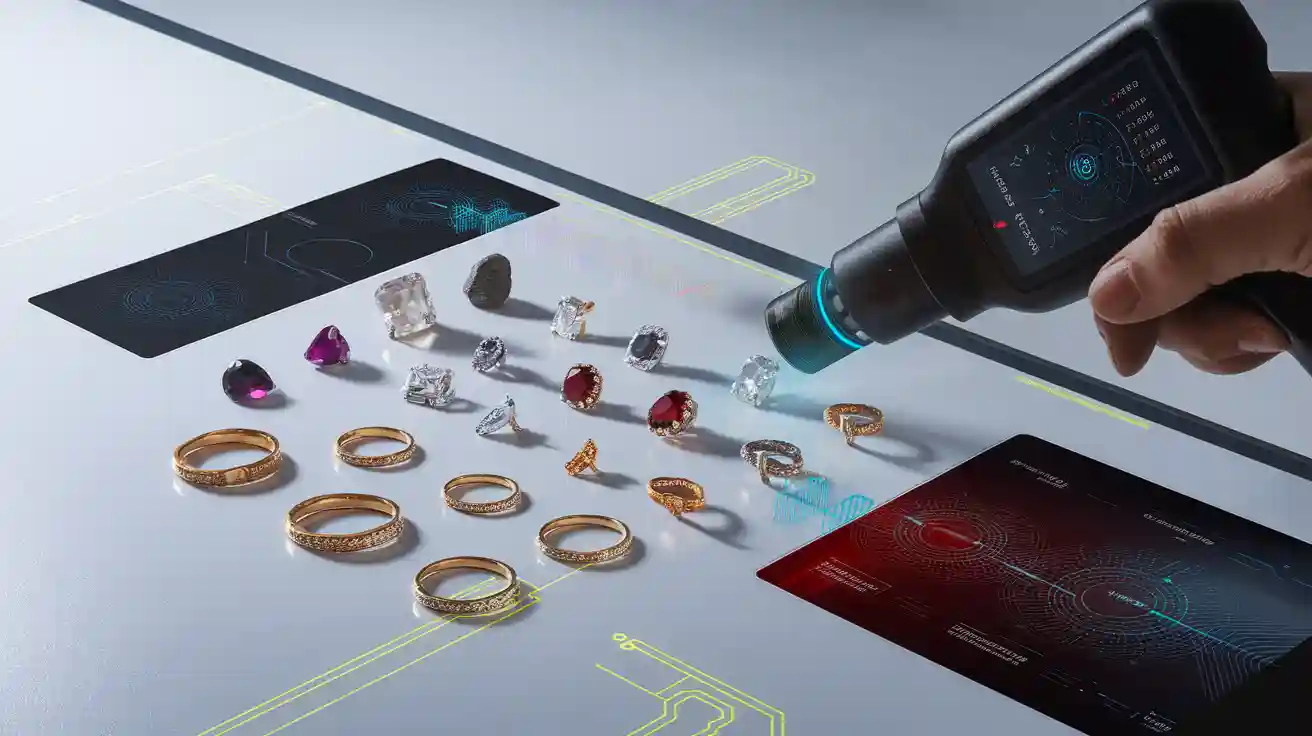
1. Handheld XRF Analyzers: コンパクトでポータブル, these devices are ideal for on-site testing, such as in mining, scrap metal recycling, or quality control in manufacturing. An example is the VR-H5 handheld XRF analyzer, known for its precision in precious metals analysis.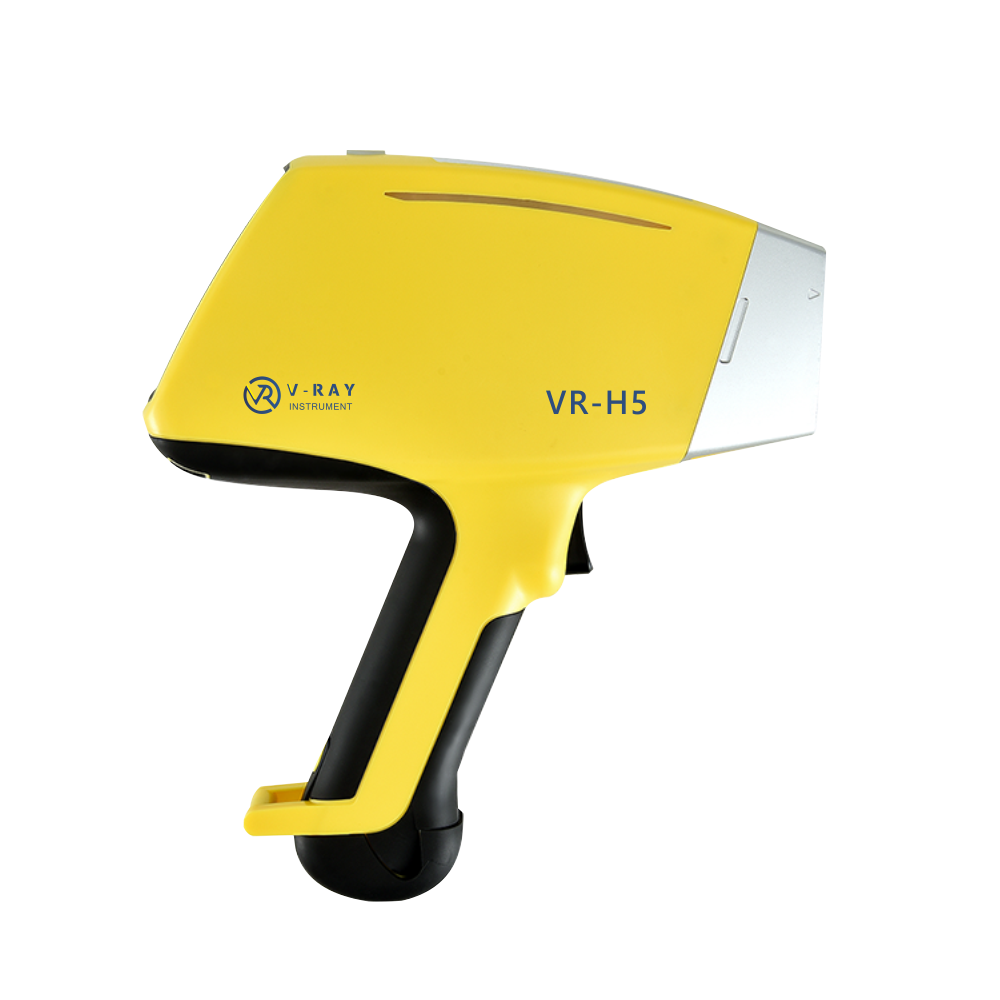
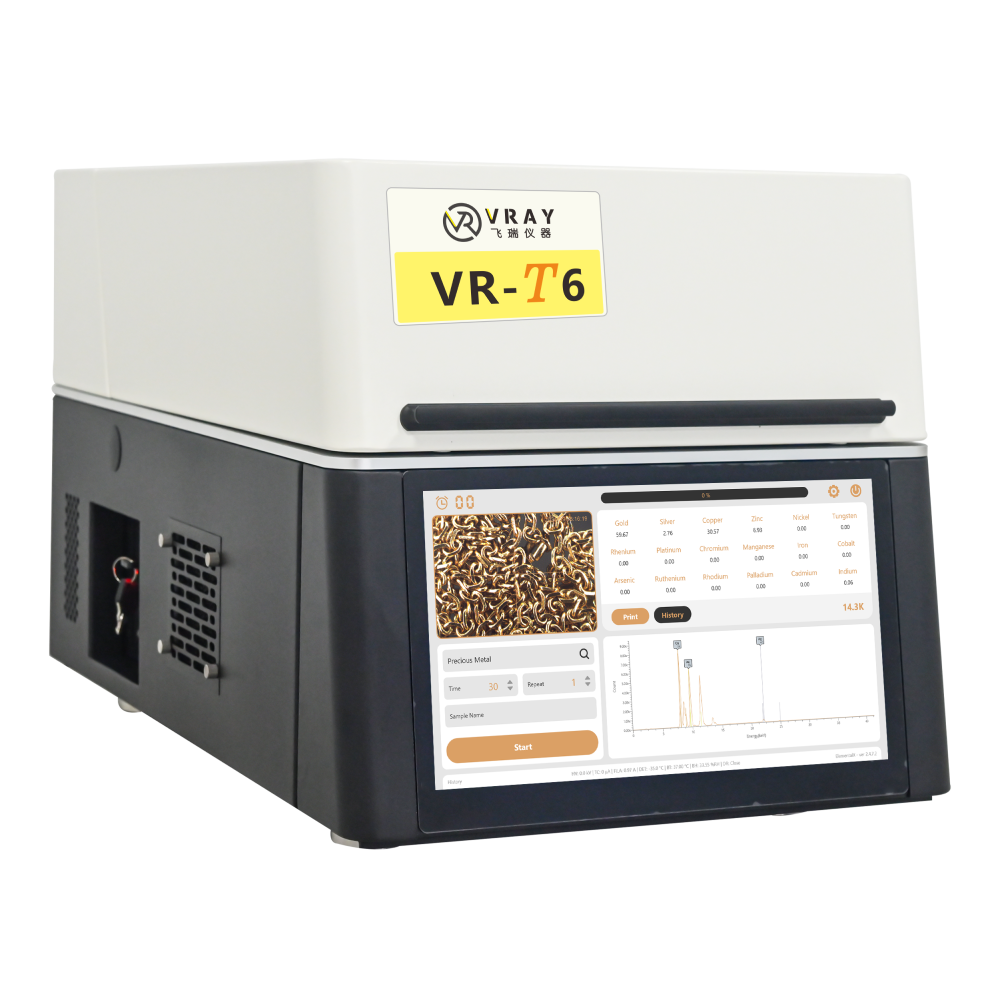
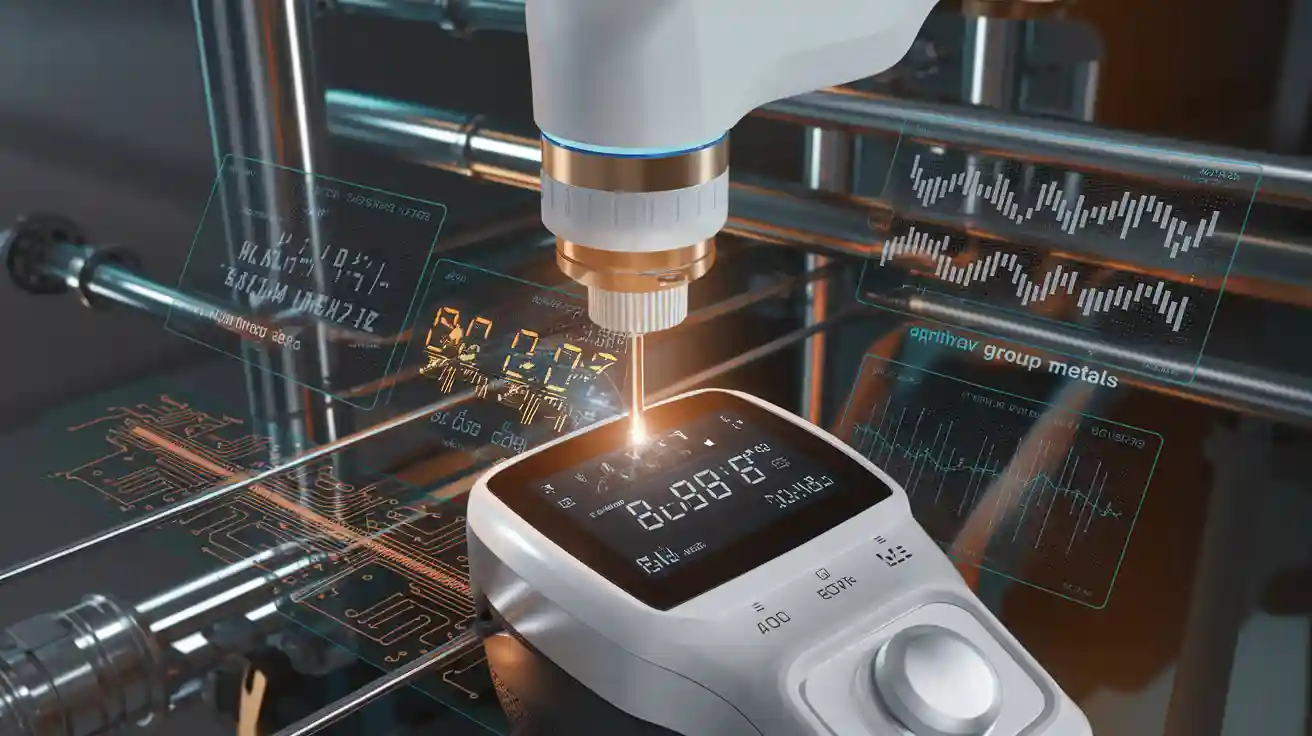
2. Benchtop XRF Analyzers: これらはもっと大きいです, more powerful machines used in laboratories or industrial settings where higher accuracy and detailed analysis are required. Models like the VR-T5 and VR-T6の ベンチトップXRFアナライザーs are popular choices, offering fast test speeds and high accuracy.
3. Specialized XRF Analyzers: Some XRF analyzers are designed for specific tasks, such as the VR-X5 金 アナライザ, which can test up to 20 elements in precious metals, or the XF-P3 XRF 膜厚分析装置, which measures both the value and coating thickness of materials.
Applications of XRF Analyzers
The versatility of XRF analyzers makes them invaluable in many fields:
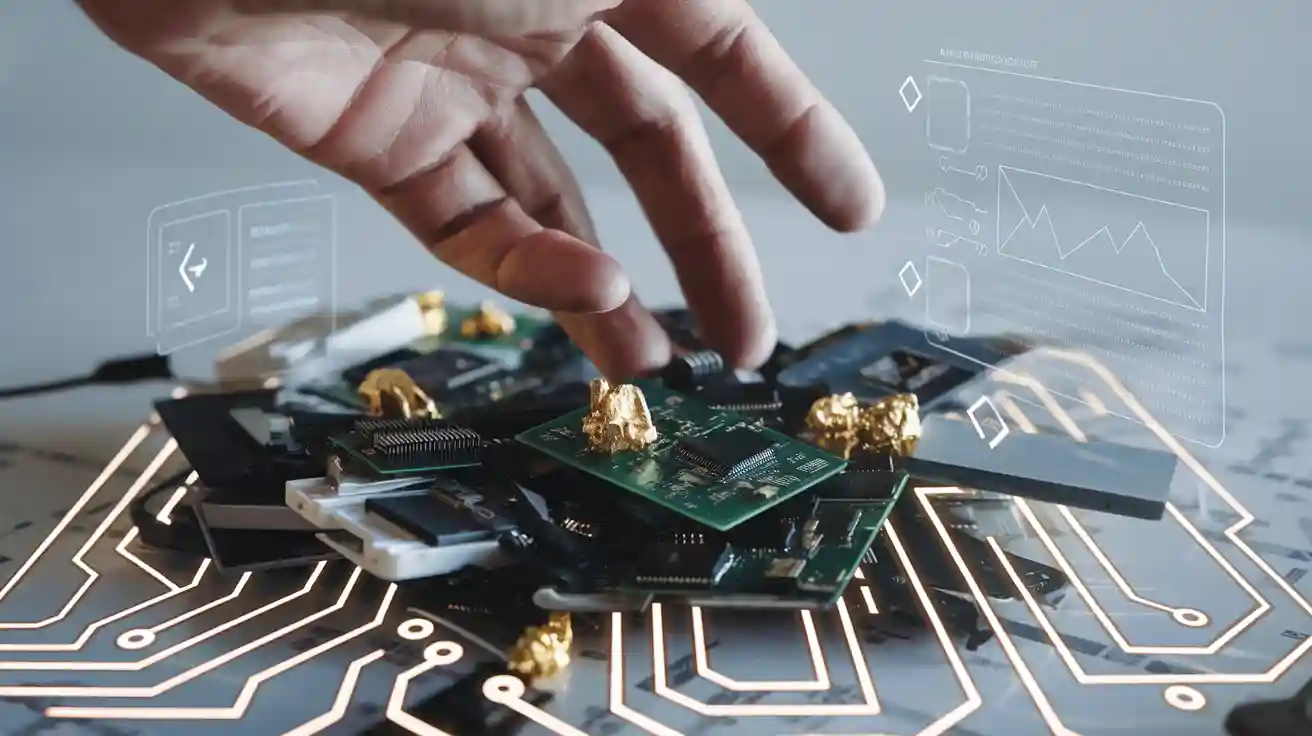
– ジュエリーと貴金属: Jewelers use XRF analyzers to authenticate precious metals and determine their purity without damaging the item. This is especially crucial in buying and selling gold, 銀, とプラチナ.
– 環境試験: XRF technology is used to detect pollutants in soil, 水, と空気, helping to monitor environmental contamination and ensure regulatory compliance.
– 製造と品質管理: In industries like aerospace and automotive, XRF analyzers ensure that the materials used meet strict quality standards, preventing failures and ensuring safety.
– Archaeology and Art Conservation: XRF analyzers help historians and conservators analyze artifacts and artworks, providing insights into their composition and helping to preserve them.
Advantages of Using XRF Analyzers
– 非破壊検査: One of the biggest advantages of XRF analyzers is that they do not damage the sample. This is especially important in fields like jewelry, where preserving the integrity of the item is crucial.
– 速度と効率: XRF analysis is quick, often providing results in just a few seconds. This speed is essential in high-throughput environments where time is of the essence.
– 精度と精度: 最新の XRF 分析装置, like the VR-T9, offer accuracy levels that can reach as high as 0.001%, 信頼できる結果を確保します.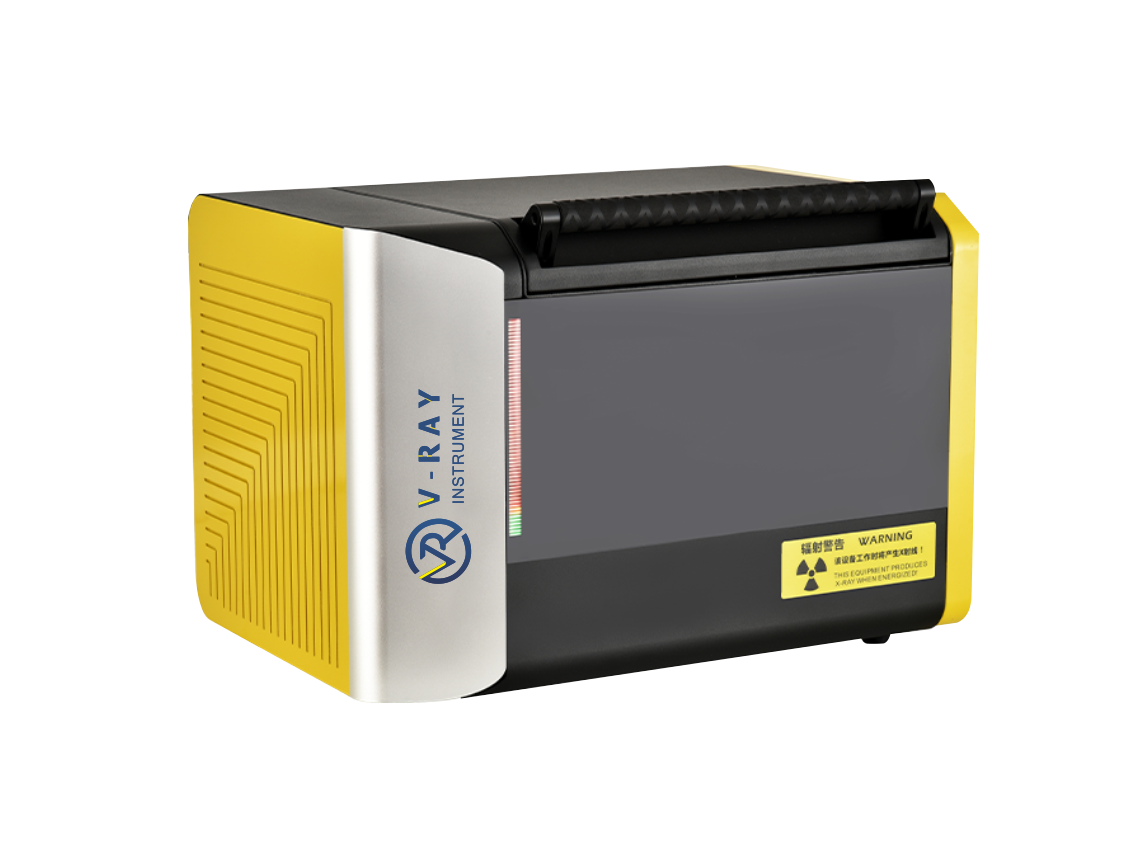
– 移植性: ハンドヘルド XRFアナライザーs allow for on-the-spot testing, making them invaluable in fieldwork and on-site inspections.
結論
XRF analyzers have revolutionized the way industries approach material analysis, offering a fast, 正確, and non-destructive method to determine the elemental composition of a wide range of materials. Whether in a laboratory, a manufacturing plant, or out in the field, these versatile tools are essential for ensuring quality, 安全性, and authenticity.
As XRF technology continues to evolve, it will undoubtedly find even more applications, 現代の材料分析の基礎としての役割をさらに強化.
XRF 分析装置への投資を検討している場合, 特定のニーズに合ったモデルを選択することが重要です. フィールドワーク用のハンドヘルド デバイスが必要かどうか、または ベンチトップアナライザー 詳細なラボ分析用, それぞれのタイプの機能と利点を理解することは、情報に基づいた決定を下すのに役立ちます.

ワッツアップ
QRコードをスキャンして、WhatsAppチャットを開始してください.