
















The global demand for high-quality jewelry and investment bullion has created a fertile ground for sophisticated counterfeiters. One of the most pervasive threats to market integrity is the use of base-metal alloys that mimic the physical luster and weight of genuine silver. In particular, copper-nickel alloys have become the industry standard for deceptive manufacturing, providing a convincing simulant that bypasses visual and basic physical inspections. This guide explores the metallurgical profile of these simulants and how professional XRF analysis provides the ultimate defense against silver fraud.
Key Takeaways
Metallurgical Disguise: Copper-nickel alloys, often termed “Nickel Silver,” replicate silver’s appearance while containing 0% actual silver content.
Atomic Verification: X-ray Fluorescence (XRF) is the only reliable non-destructive method to distinguish Silver (Atomic No. 47) from base metal alloys.
Hallmark Fraud: The presence of a “925” stamp is a claim, not a guarantee; modern counterfeiters easily forge stamps on copper-nickel pieces.
Health Implications: High nickel content in fake silver can cause severe allergic reactions and contact dermatitis in consumers.
Investment Security: Understanding the difference between solid sterling silver and silver-plated copper-nickel is critical for accurate valuation.
Copper-Nickel Alloys: The Anatomy of a Simulant
Copper-nickel alloys (often referred to as Cupronickel) are metallic combinations primarily composed of copper with added nickel, and sometimes manganese or zinc. These alloys are prized in industrial sectors for their corrosion resistance and durability. However, in the precious metals industry, their bright silvery finish and similar density profile to silver make them a high-risk counterfeit material.
The Physics of Mimicry
Why do these alloys fool so many buyers? The answer lies in their spectral properties. A polished copper-nickel alloy achieves a specularity and reflectivity that is remarkably close to genuine silver. Unlike brass or bronze, which have distinct yellow or reddish undertones, nickel provides a “cold” white luster that consumers associate with 925 sterling silver. Furthermore, the density of these alloys (approx. 8.9 g/cm³) is close enough to silver (10.5 g/cm³) that a casual weight-in-hand check often fails to raise suspicion.
Health and Safety Risks
Beyond financial loss, counterfeit silver poses health risks. Nickel is one of the most common contact allergens. Genuine sterling silver purity standards strictly control the use of allergens. In contrast, “Nickel Silver” jewelry can contain up to 20% nickel, leading to skin irritation, rashes, and long-term sensitivities for many wearers. Professional testing not only secures the value of the asset but also ensures consumer safety.
Classifying Common Fake Silver Types
Counterfeiters utilize various trade names and manufacturing techniques to inject simulated silver into the retail and pawn streams. Understanding these classifications is the first step in effective risk management.
Trade Name | Actual Composition | Silver Percentage | Detection Risk |
|---|---|---|---|
German Silver | Copper, Nickel, Zinc | 0% | High (Bright sheen) |
Tibetan Silver | Tin, Nickel, Copper | Trace to 0% | Moderate (Antiqued finish) |
Silver Plated | Copper-Nickel core with Ag shell | < 0.5% | Extreme (Surface is real silver) |
Sterling Silver (925) | Silver (92.5%), Copper (7.5%) | 92.5% | N/A (Industry standard) |
“German” and “Tibetan” Silver Myths
It is a common misconception that “German Silver” or “Tibetan Silver” are specific grades of precious metal. In reality, German Silver contains no silver at all; it is a copper-nickel-zinc alloy developed for its visual similarity to silver and its lower production cost. Tibetan Silver is an unregulated term often used for costume jewelry that may even contain hazardous trace elements like lead or cadmium. Buyers should be wary of any jewelry marketed with these geographic descriptors instead of a recognized assay mark.
The Challenge of Thick Plating
High-end counterfeits often feature a “heavy gold/silver electroplate.” This involves a core of copper-nickel that is submerged in a chemical bath to apply a thin layer of genuine 99.9% silver. This layer is thick enough to pass a “rub test” or basic “ice test.” Only an alloy analyzer capable of deep elemental detection can identify the base metal residing beneath the expensive surface shell.
How Counterfeit Silver Saturates the Market
The entry points for fake silver are diverse, ranging from low-end flea markets to high-volume online marketplaces and recycling streams. As silver prices fluctuate, the incentive to pass off base-metal alloys as precious metal increases.
Online Marketplace Vulnerabilities
Anonymity in online retail allows counterfeiters to sell thousands of “sterling silver” pieces using stock photography of genuine items. Because the price of silver is significantly lower than gold, many consumers do not seek professional appraisal for their purchases. This “low-risk, high-volume” strategy makes counterfeit silver a highly profitable venture for fraudulent sellers. Always demand a high-resolution photo of the hallmark and, when possible, a certified assay report.
Pawn Shops and Retail Intake
Pawn shops are frontline targets for silver fraud. Sellers hoping for quick cash may bring in multi-layered or plated copper-nickel jewelry. While experienced staff can use visual cues and weight checks, the margin for error is high. Modern pawn operations are increasingly adopting non-destructive XRF analyzers to provide instant, undeniable proof of purity to their customers and to protect their own profit margins.
“A hallmark stamp is nothing more than a claim. Scientific verification is the only way to transform that claim into a fact.”
Professional Detection: XRF vs. Traditional Methods
When dealing with high-volume scrap or high-value antique jewelry, the method of testing determines the reliability of the valuation. Traditional “home” tests are increasingly insufficient against modern alloys.
The Limitations of Acid Testing
Acid testing involves scratching the item and applying nitric acid to observe a color change. This method is problematic for several reasons: it is destructive (damaging the item), it is highly subjective (different lightings change the perception of color), and it only tests the outermost layer. If a piece is plated, the acid will show a “silver” reaction while the copper-nickel core remains hidden.
The XRF Advantage: Atomic-Level Accuracy
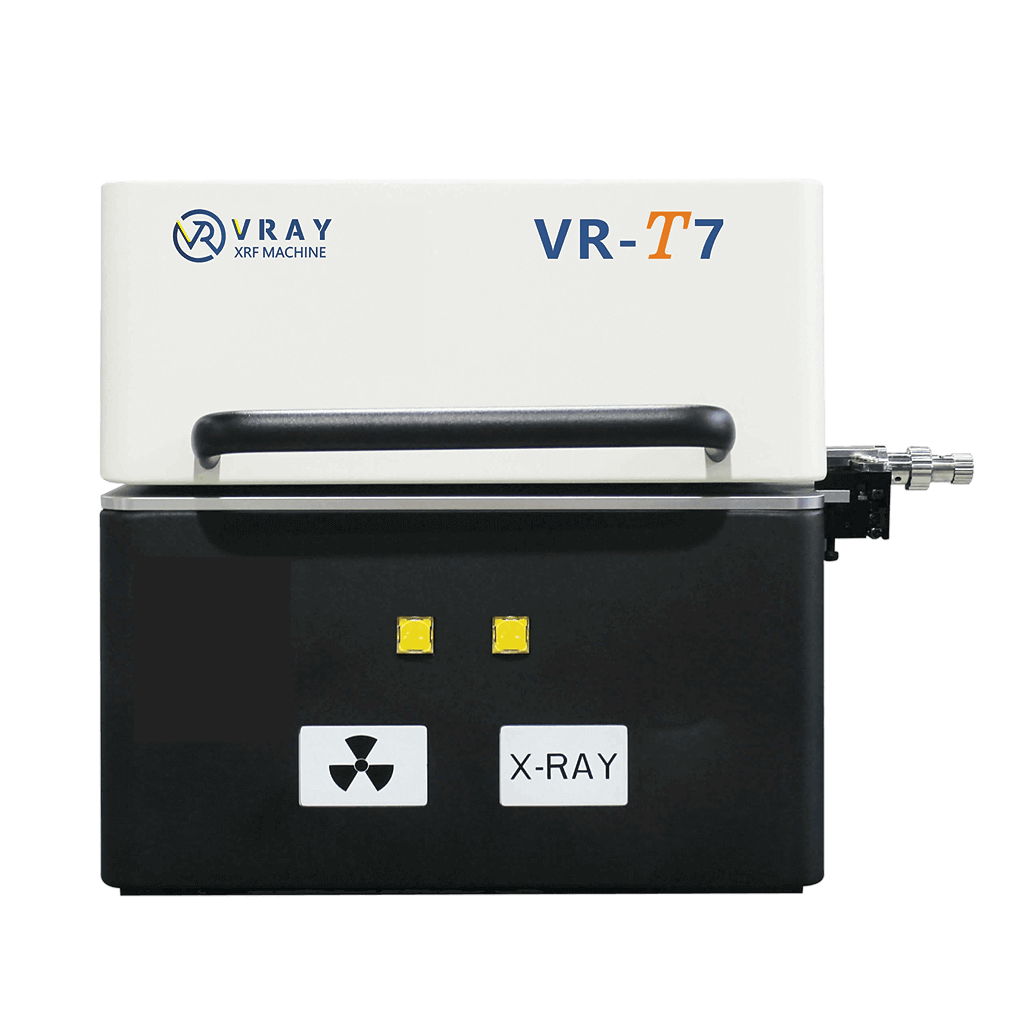
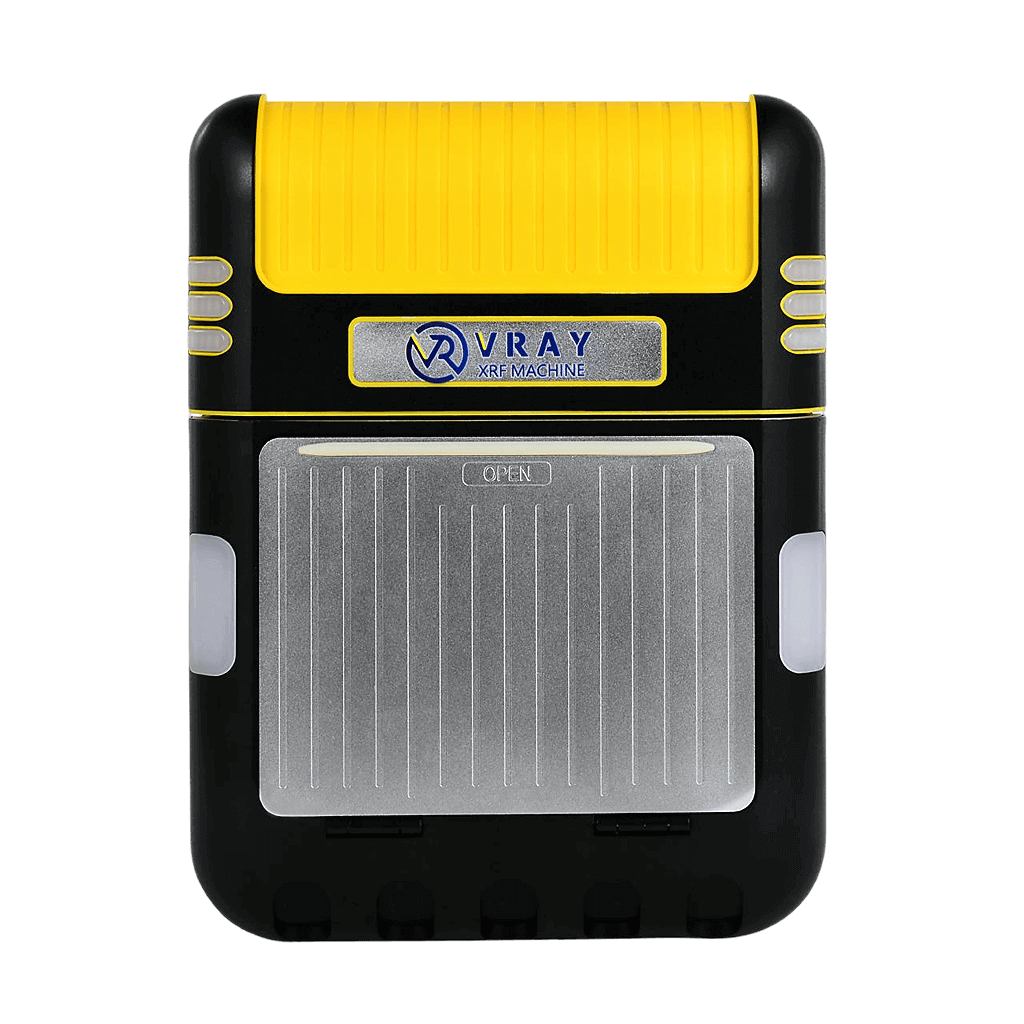
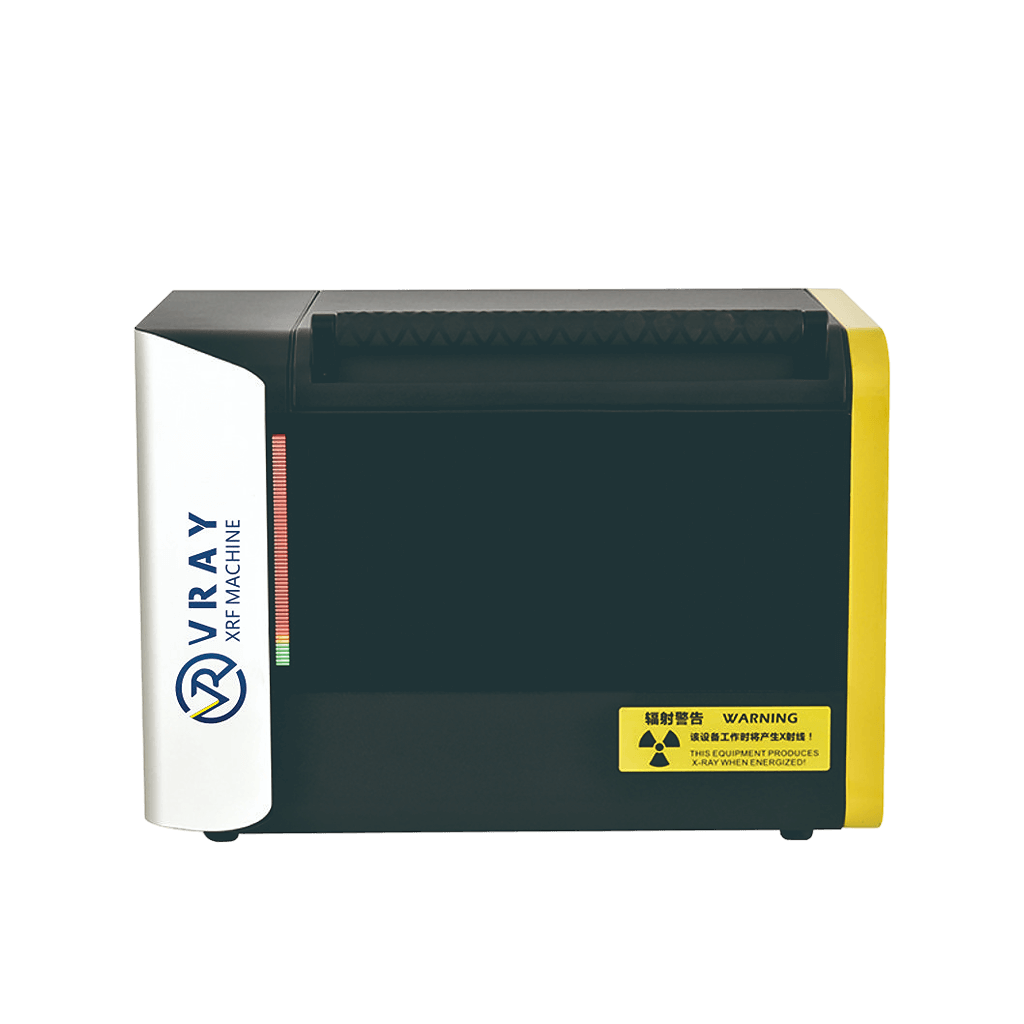
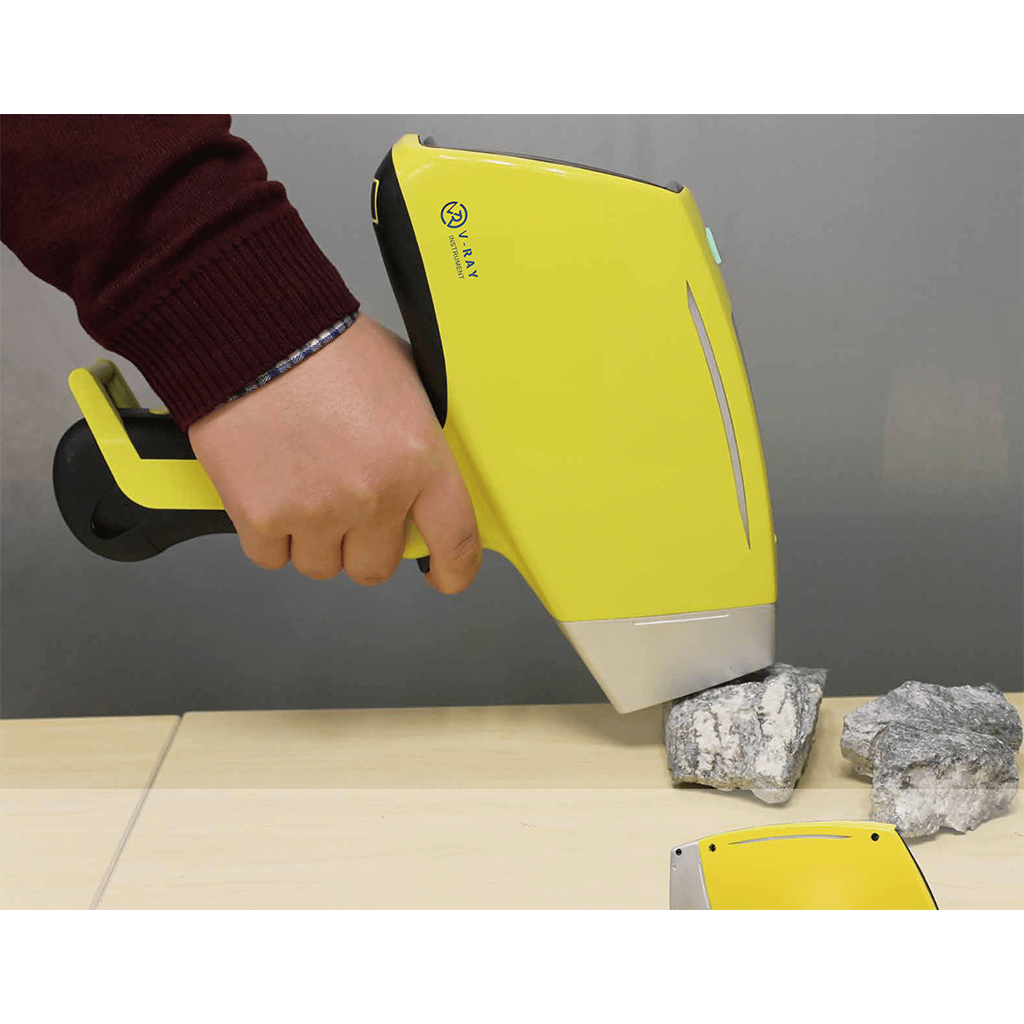
X-ray Fluorescence (XRF) technology works by emitting a primary X-ray beam that displaces electrons in the atoms of the sample. As the atoms return to a stable state, they emit secondary X-rays that act as a “spectral fingerprint.” An analyzer from VRAY Instrument can measure these fingerprints to provide a complete elemental breakdown in seconds.
Feature | Acid/Scratch Test | XRF Elemental Analysis |
|---|---|---|
精度 | Moderate (Subjective) | High (Precise to 0.01%) |
Surface Only? | Yes | No (Penetrates through layers) |
Damaging? | Yes (Scratches/Chemicals) | No (Completely non-destructive) |
Multi-Metal Detection? | No | Yes (Identifies Cu, Ni, Zn, Pb, etc.) |
Preventing Counterfeit Silver Acquisition
Buyers and businesses can mitigate their risk by adopting a rigorous procurement protocol. Relying on “trust” in a volatile market is a liability.
Audit the Hallmark: Look for the “925” or “S925” stamp, but check its clarity. Forged stamps are often blurred or applied at uneven angles.
Perform a Magnet Test: While copper-nickel is not magnetic, many cheap fakes use steel or iron cores that will react strongly to a neodymium magnet.
The Odor Test: Copper-heavy alloys often emit a distinct “metallic” or “sulfuric” smell when rubbed briskly with the palm, unlike odorless genuine silver.
Utilize Professional Tools: For high-stakes environments, a handheld or benchtop XRF analyzer is the only way to eliminate uncertainty and ensure every gram of silver is authentic.
Frequently Asked Questions
What is the easiest way to identify copper-nickel alloys at home?
The “Ice Test” is a popular preliminary check; because silver is the most thermally conductive metal, it will melt an ice cube almost instantly. A copper-nickel alloy will melt it much more slowly. However, this is not a substitute for elemental analysis.
Why is nickel silver so common in jewelry?
It is extremely durable, resists tarnish better than sterling silver, and is significantly cheaper to produce. It allows manufacturers to create a “luxury” look at a “costume” price point.
Can XRF analysis detect silver plating?
Yes. By analyzing the spectral intensity of the silver signal vs. the base metal signals (like copper and nickel), the XRF analyzer can flag an item as being plated rather than solid silver.
Is 925 silver always solid?
Legally, yes. In practice, no. “925” stamps are frequently applied to plated or even unplated copper-nickel items to defraud buyers in unregulated markets.