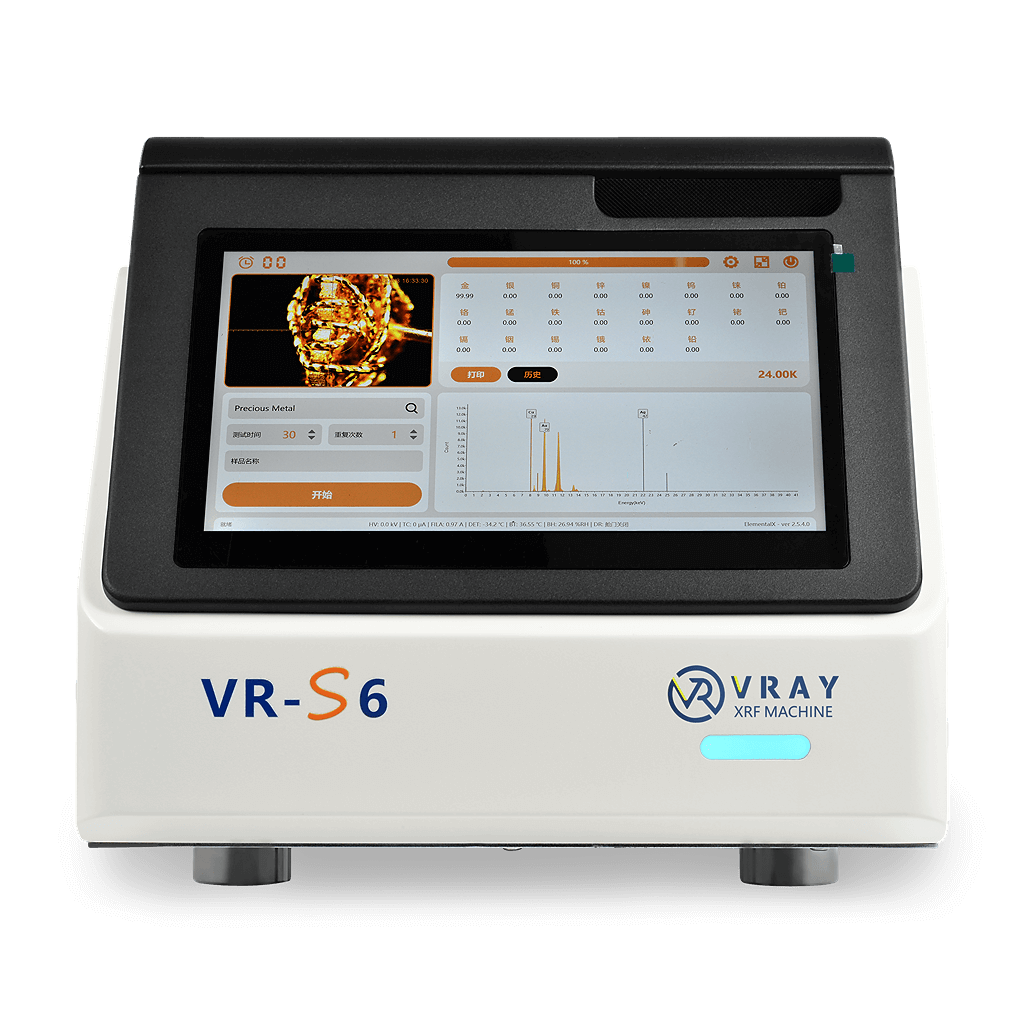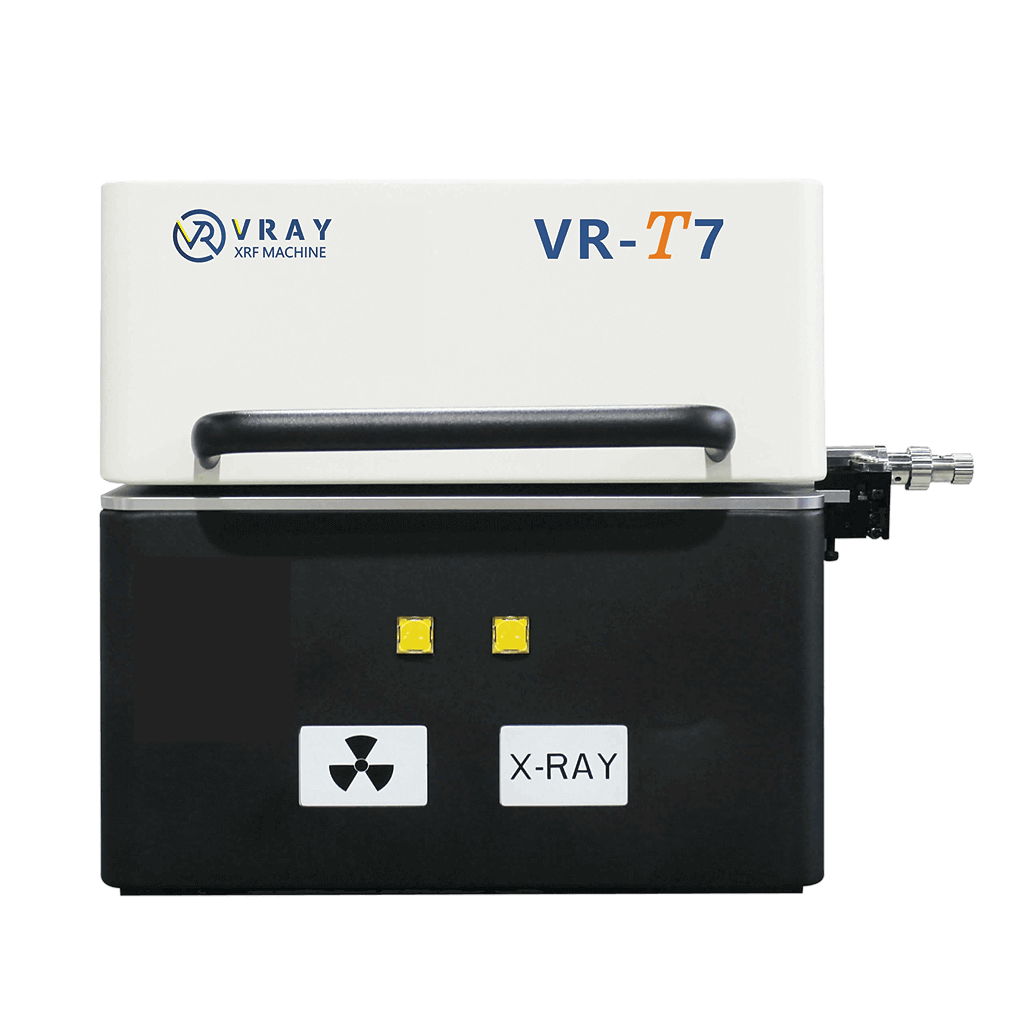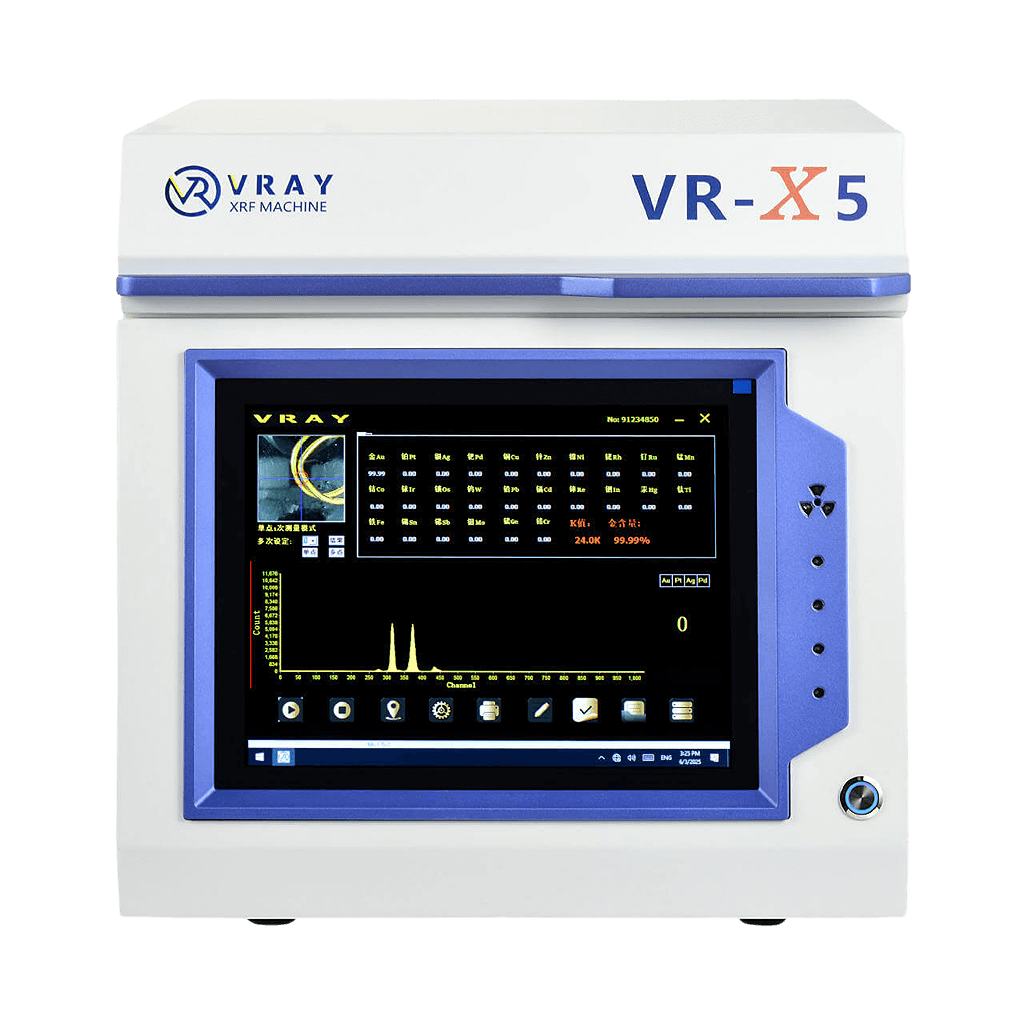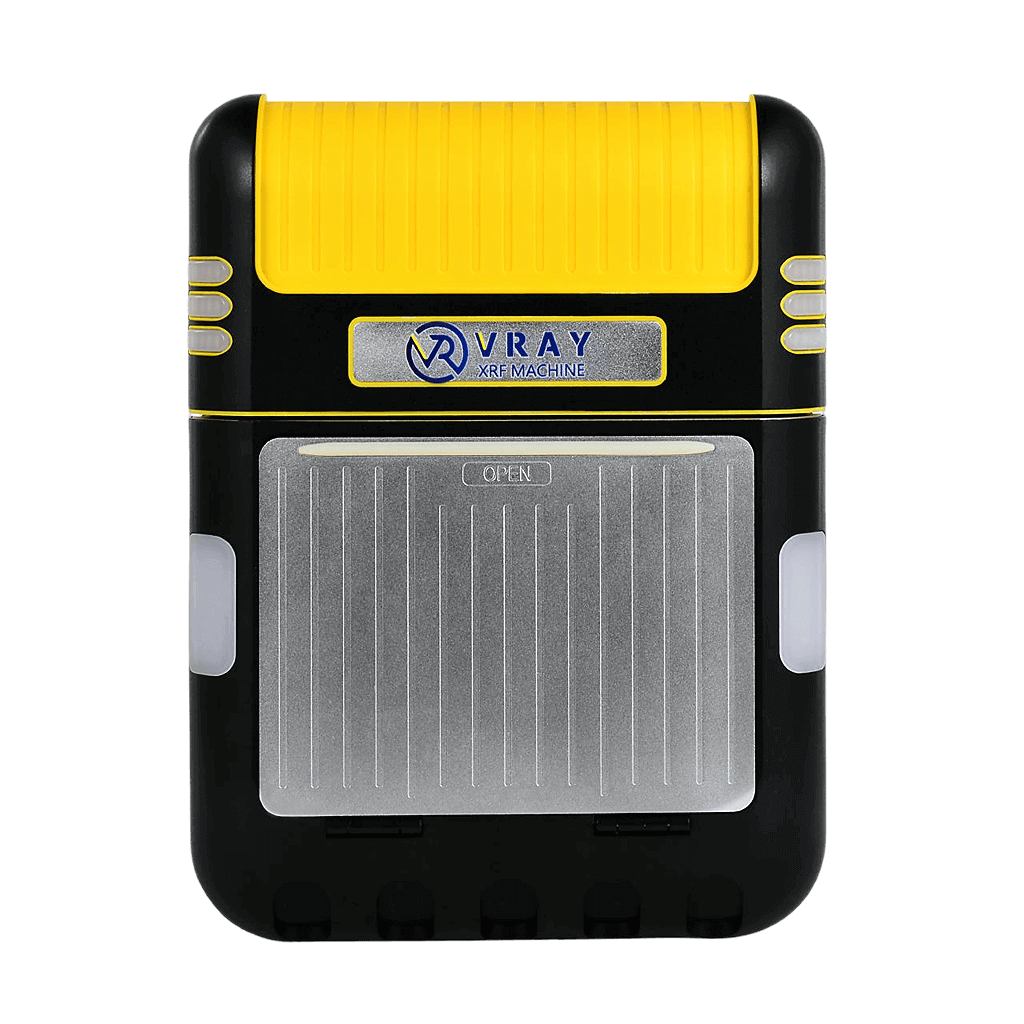











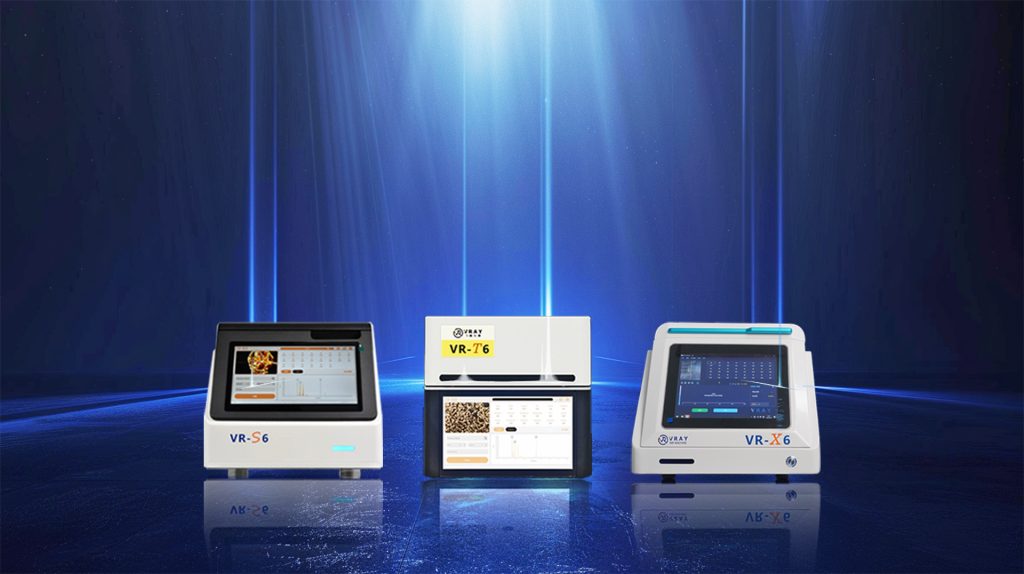
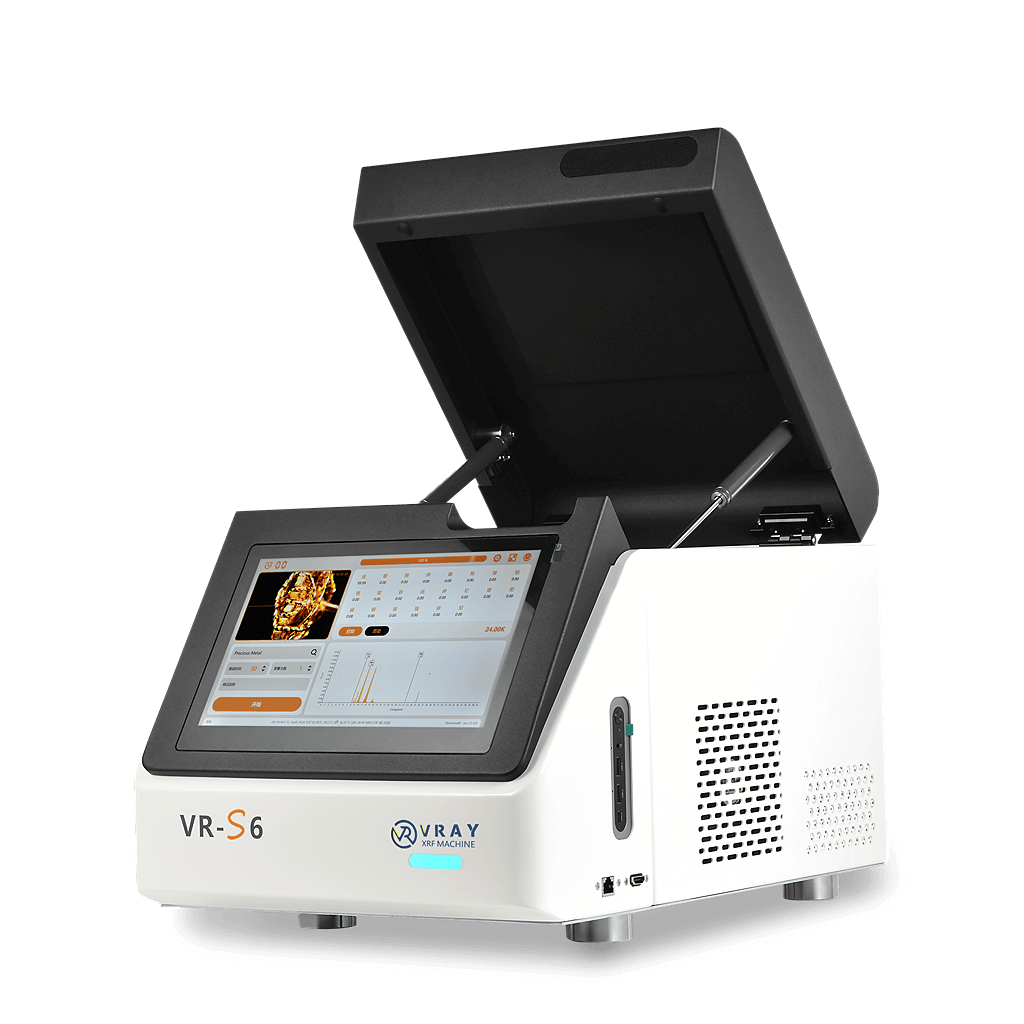



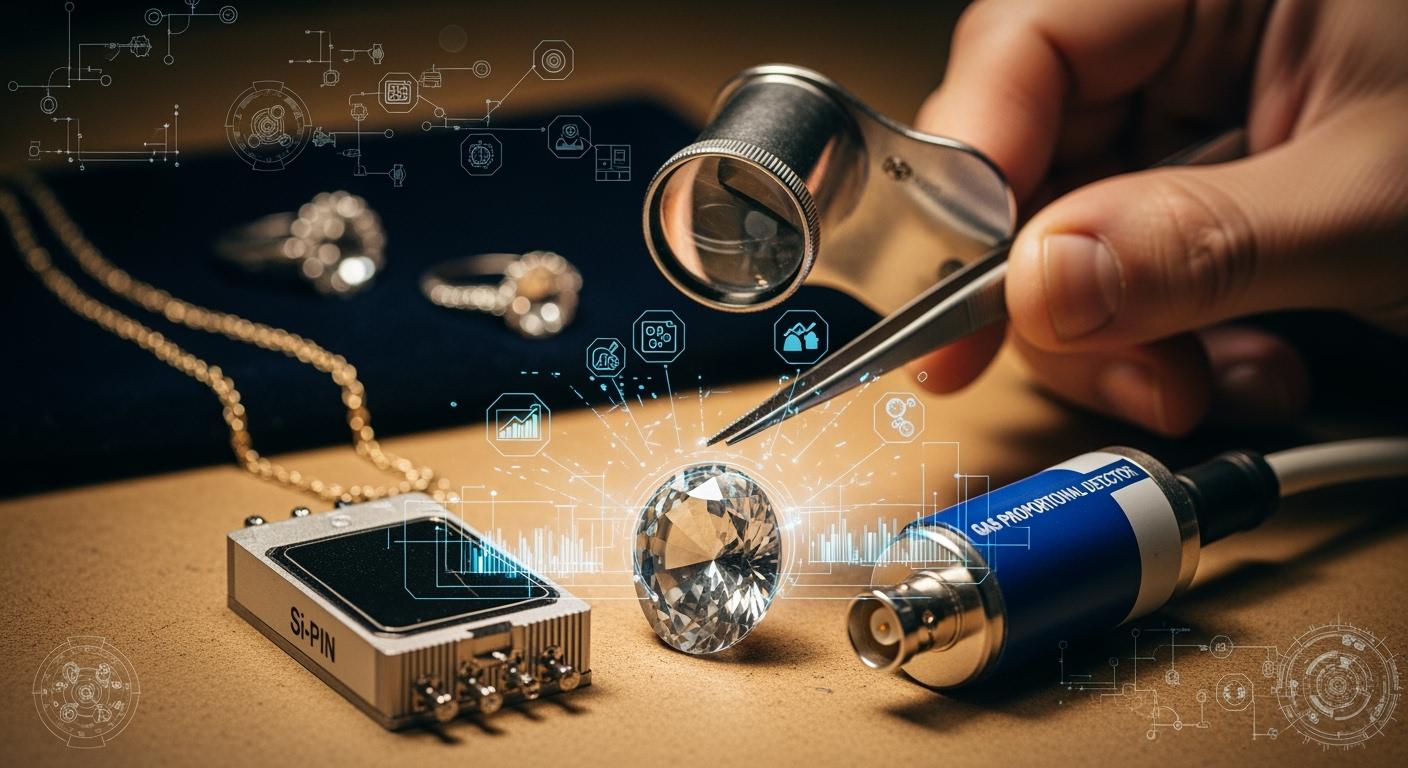
In the evolving landscape of precious metal appraisal, the technology used to verify purity is the foundation of institutional trust. For decades, the jewelry industry relied on chemical acid tests or basic electronic testers. However, the rise of sophisticated “smart fakes”—including tungsten-filled gold and complex multi-element alloys—has necessitated a shift toward high-precision X-ray Fluorescence (XRF) analysis. Central to every XRF device is the detector, the component responsible for translating X-ray signals into elemental data. Today, the debate between Si-PIN (Silicon-PIN) and older Gas Proportional detectors is a defining factor in choosing the right equipment for a professional jewelry workflow.
Selecting the incorrect detector can lead to peak overlap errors, where harmful impurities are mistaken for precious metals, potentially costing a business thousands of dollars in misvaluation. This guide explores the metallurgical and physical differences between these technologies and why semiconductor-based sensors have become the modern gold standard for accurate XRF analysis.
Key Takeaways
Resolution Disparity: Si-PIN detectors offer energy resolution (approx. 145-190 eV) that is far superior to Gas Proportional models (approx. 800-1000 eV), allowing for the separation of adjacent elements like Gold and Platinum.
Detection Limits: Semiconductor technology can identify trace elements and impurities at much lower concentrations, critical for hallmarking and refinery compliance.
Non-Destructive Assurance: Modern XRF spectrometry preserves the physical and aesthetic value of finished jewelry while providing laboratory-grade results.
Operational Stability: Si-PIN and SDD detectors require significantly less frequent calibration than gas-filled chambers, improving uptime in busy retail environments.
Investment Logic: While Gas Proportional detectors were once the entry-level choice, their inability to detect hi-tech forgeries makes them a long-term liability for modern pawn shops and jewelers.
Technical Fundamentals: How These Detectors Capture Data
The Mechanics of Gas Proportional Detectors
A Gas Proportional detector consists of a gas-filled cylinder (typically Xenon or Neon) with a high-voltage wire running through the center. When an X-ray enters the chamber, it ionizes the gas atoms, creating a cloud of electrons that are attracted to the wire. This creates an electrical pulse proportional to the X-ray’s energy. However, gas-based systems suffer from inherent “spectral noise” and wide peaks. Because the resolution is poor (often 800 eV or wider), the machine struggles to tell the difference between elements whose energy signatures are close together, such as Lead (Pb) and Gold (Au).
The Physics of Si-PIN Semiconductor Detectors
A Si-PIN detector utilizes a high-purity silicon crystal as a solid-state sensor. When X-rays strike the silicon, they generate electron-hole pairs. Because silicon is much denser than gas, the conversion of X-rays into electrical signals is far more efficient and precise. This technology provides a “sharp” energy spectrum, allowing the XRF spectrometer to clearly distinguish between various alloying elements and impurities with an energy resolution under 190 eV.
Metric | Gas Proportional | Si-PIN (Aurum 6 Series) | SDD (FSDD Advanced) |
|---|---|---|---|
Resolution (eV) | 800 – 1000 eV | 145 – 190 eV | 125 – 140 eV |
Peak Clarity | Broad/Overlapping | Sharp/Distinct | Ultra-Sharp |
Trace Element LOD | Low Sensitivity | High Sensitivity | Maximum Sensitivity |
Throughput | Moderate | High | Extreme (Fast Pulse) |
Reliability | Requires frequent recalibration | Extremely Stable | Industrial Standard |
Why Resolution Determines Professional Integrity
In jewelry testing, the most critical performance metric is Energy Resolution. This is the detector’s ability to separate the “peaks” of different elements on a spectrum. For example, in a white gold alloy, a jeweler must be able to identify Nickel, Palladium, and Zinc. With a Gas Proportional detector, these peaks may blur together into a single “hump,” causing the software to miscalculate the gold percentage.
Si-PIN detectors provide the best accuracy for jewelry retailers because they can isolate the fluorescent signatures of Gold (Au L-lines) from interfering elements like Zinc (Zn) or Copper (Cu). This precision allows for accurate karat verification (10K vs 14K vs 18K) with a margin of error as low as +/- 0.02% for fine gold. As noted in scientific analysis of gold testing, this resolution is the primary barrier against accepting under-karated items.
SDD: The Advanced Solution for Labs and Refineries
While Si-PIN is the standard for retail, Silicon Drift Detectors (SDD) represent the pinnacle of precious metal analysis. SDD technology, utilized in high-end benchtop XRF models, allows for significantly higher “count rates”—meaning it can process more data points per second. For a refinery or a hallmarking center, this translates to faster testing times (under 15 seconds) and the ability to detect trace levels of hazardous elements like Cadmium (Cd) or Lead (Pb) that Si-PIN might miss.
High Throughput: SDD can analyze 100+ samples a day without data degradation.
Small Spot Focusing: Analyzes areas as small as 0.2 mm, perfect for testing delicate solder joints or filigree.
Depth Analysis: Capable of analyzing through coatings 5 times deeper than gas detectors, exposing thick-plated fakes.
Matching the Detector to Your Business Model
Choosing between Si-PIN and SDD (and avoiding Gas Proportional) is a strategic business decision based on your transaction volume and required compliance levels.
Retail Jewelry and Pawn Shops
For most retail environments, a Si-PIN detector provides an ideal balance of cost and performance. It delivers the professional precision needed to build customer trust and resolve disputes with scientific proof. By using precise XRF analysis, a shop owner can guarantee the purity of every “buy” and “loan,” protecting their profit margins from metallurgical errors.
Hallmarking Centers and Government Agencies
Refineries and hallmarking centers must adhere to strict international standards such as ISO or national hallmarking guidelines. These operations require the ultra-high resolution of SDD technology. When dealing with “999” fine gold, a precision of +/- 0.01% is not a luxury—it is a mandatory requirement for certifying metal purity for global trade.
Operational Efficiency: Ease of Use and Reporting
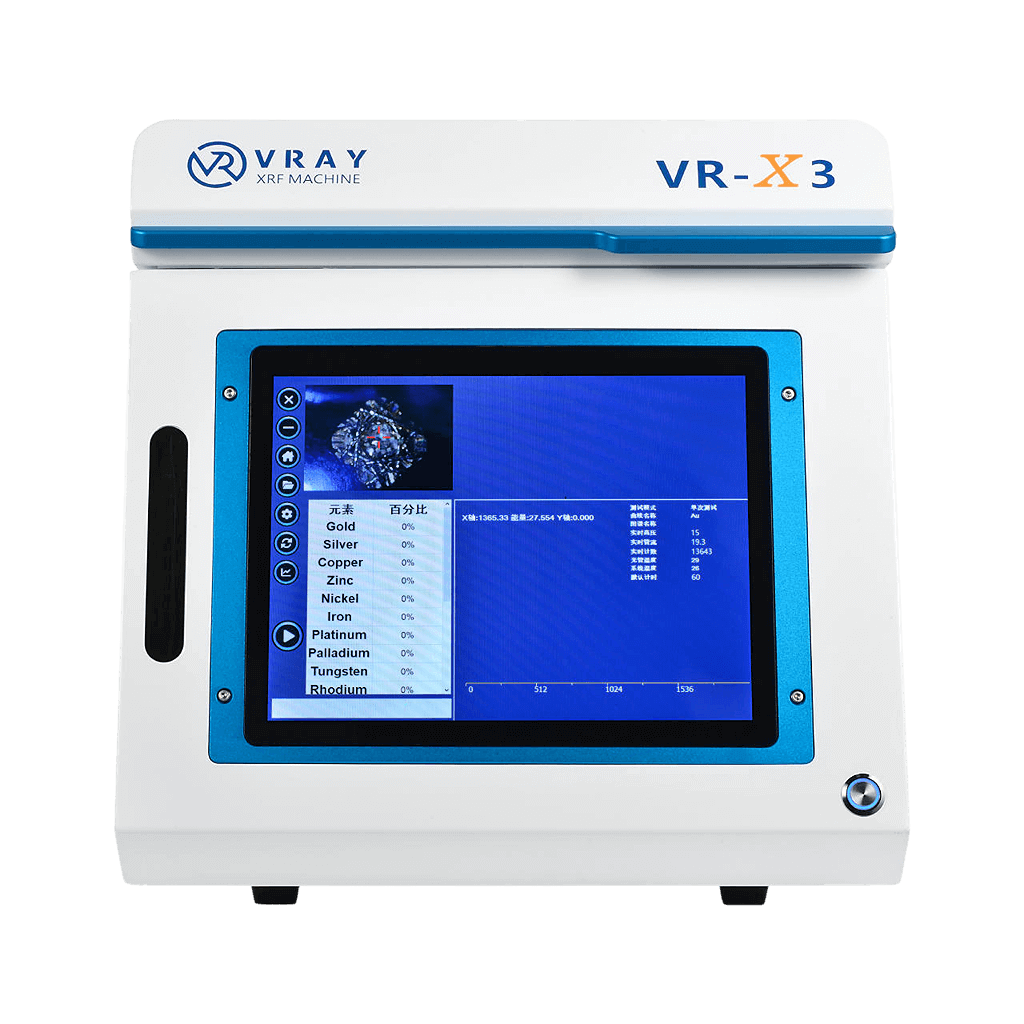
Modern semiconductor detectors are integrated into systems with autonomous software. Unlike older gas systems that required expert manual tuning, VRAY’s XRF interfaces feature one-touch operation and automatic report generation. Reports can be exported directly to cloud storage or local databases, ensuring a digital audit trail that is essential for modern business compliance and tax auditing.
“Technology is the arbiter of truth in the gold trade. A detector that can’t tell the difference between gold and its alloys is a liability to your reputation.”
Non-Destructive Testing (NDT) and Asset Integrity
The greatest advantage of moving to Si-PIN or SDD technology is the preservation of the asset. Traditional fire assay involves melting a sample, while acid testing involves scratching it. In high-value retail, any damage—no matter how small—reduces the resale value of a piece. X-ray fluorescence is a non-contact, safe gold analysis method that leaves the jewelry in pristine condition. This allows jewelers to test pieces in front of the customer, fostering an atmosphere of transparency and expertise.
Professional Tip: Always ask your equipment provider for the “Full Width at Half Maximum” (FWHM) rating of the detector. A lower eV number means better resolution and fewer misidentified metals.
Maintenance and Long-Term Ownership
Gas Proportional detectors are prone to “drift” as the gas ages or as temperatures fluctuate, necessitating frequent recalibration with certified gold standards. In contrast, solid-state Si-PIN and SDD detectors from VRAY are engineered for industrial stability. They require minimal upkeep, reducing the total cost of ownership (TCO) over the device’s lifetime. Businesses that invest in semiconductor technology often recover their initial expense within months through increased throughput and eliminated misvaluation losses.
Frequently Asked Questions
Why are Gas Proportional detectors becoming obsolete?
As counterfeit technology improves, the low resolution of gas detectors (800+ eV) makes it too easy for “smart fakes” to pass as real gold. Semiconductor detectors provide the sharp spectral data required to detect modern alloy frauds.
Can a Si-PIN detector test silver and platinum too?
Yes. Si-PIN and SDD detectors are multi-element sensors. They are pre-calibrated to identify gold, silver, platinum, palladium, rhodium, and common base metals like copper and nickel in a single scan.
Is the X-ray radiation safe for my staff?
Yes. Professional XRF analyzers from VRAY are designed with high-level shielding and safety interlocks. When operated according to safety guidelines, the radiation exposure is lower than that of common medical imaging or even a long-distance flight.
How long does a semiconductor detector last?
With proper care and environmental controls (avoiding extreme heat and physical shocks), a solid-state XRF detector can last for 10+ years of daily use, making it a highly durable business asset.
Does a better detector mean a more expensive machine?
Generally, yes. SDD detectors are more expensive than Si-PIN, which are more expensive than gas detectors. However, the price difference is justified by the higher accuracy and the protection against the catastrophic cost of buying a single high-value counterfeit.
For more information on selecting the perfect spectrometer for your jewelry business, visit the VRAY Instrument Resource Center.