














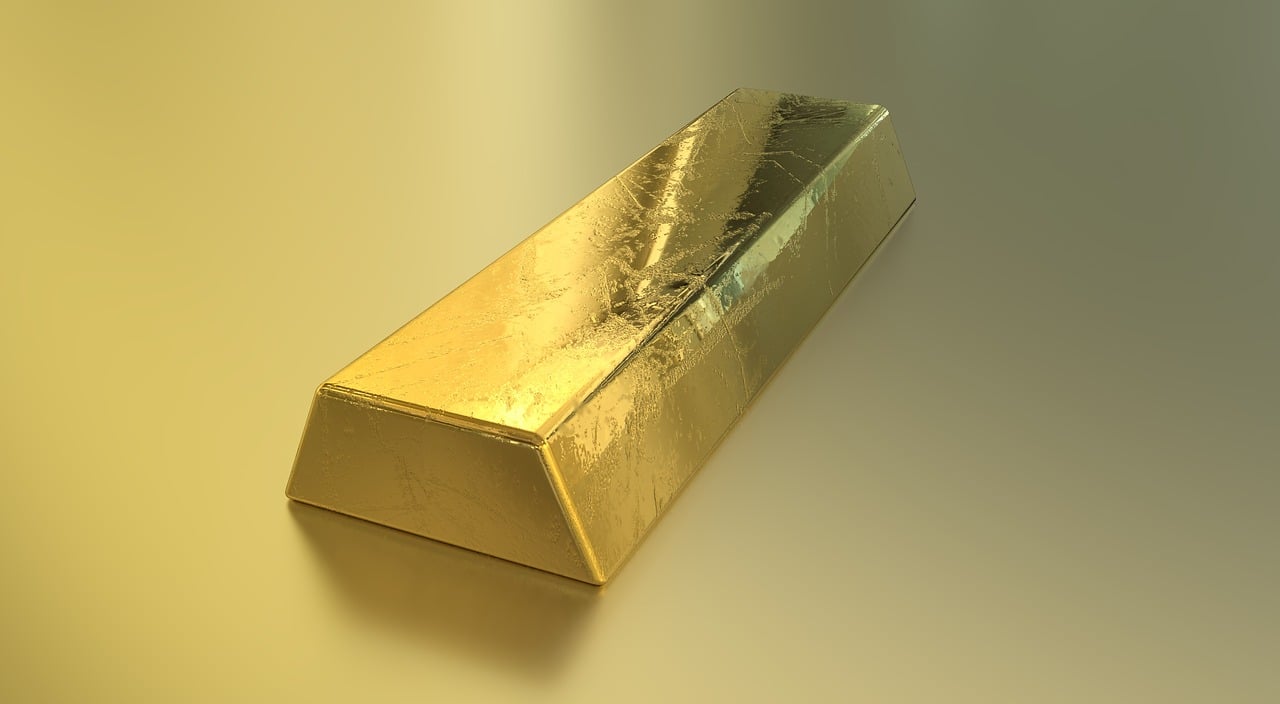
Detecting tungsten-filled gold bars presents one of the greatest challenges in the precious metals industry today. Each year, counterfeit bars worth millions enter the global market, often bearing the stamped logos of trusted refineries. Because tungsten possesses a density nearly identical to gold, traditional “heft” tests and simple weighing are no longer sufficient. To protect your investment, it is critical to employ advanced, non-destructive testing (NDT) methods that can peer through the surface without damaging the bar’s integrity.
Key Takeaways
The Density Dilemma: Tungsten’s density (19.25 g/cm³) is almost an exact match for gold (19.32 g/cm³), making it impossible to distinguish between the two based on weight and volume alone.
XRF Limitations: X-ray Fluorescence (XRF) is excellent for surface purity but only penetrates 10–50 microns deep. It cannot detect a tungsten core hidden under a thick gold shell.
The “Gold Standard” of NDT: Combining Eddy Current testing (for conductivity) and Ultrasonic testing (for internal structure) is the only way to ensure 100% authenticity.
Professional Verification: Always buy from reputable dealers who provide clear documentation and utilize scientific verification protocols.
Why Tungsten is the Ultimate Gold Counterfeit
Tungsten is the preferred material for sophisticated counterfeiters because it is a near-perfect atomic match for gold. While other base metals like lead or copper require the bar to be significantly larger than a genuine gold bar to reach the same weight, tungsten allows the counterfeit to maintain the correct physical dimensions of a certified mint bar.
The Ineffectiveness of Traditional Tests
Standard scales and calipers will rarely flag a high-quality tungsten-filled fake. A bar can have a genuine 24-karat gold “skin” thick enough to bypass acid tests and surface-level electronic sensors. Because tungsten has an incredibly high melting point and resists chemical corrosion, it remains “invisible” to all but the most advanced non-destructive tools.
X-Ray Fluorescence (XRF): The First Line of Defense
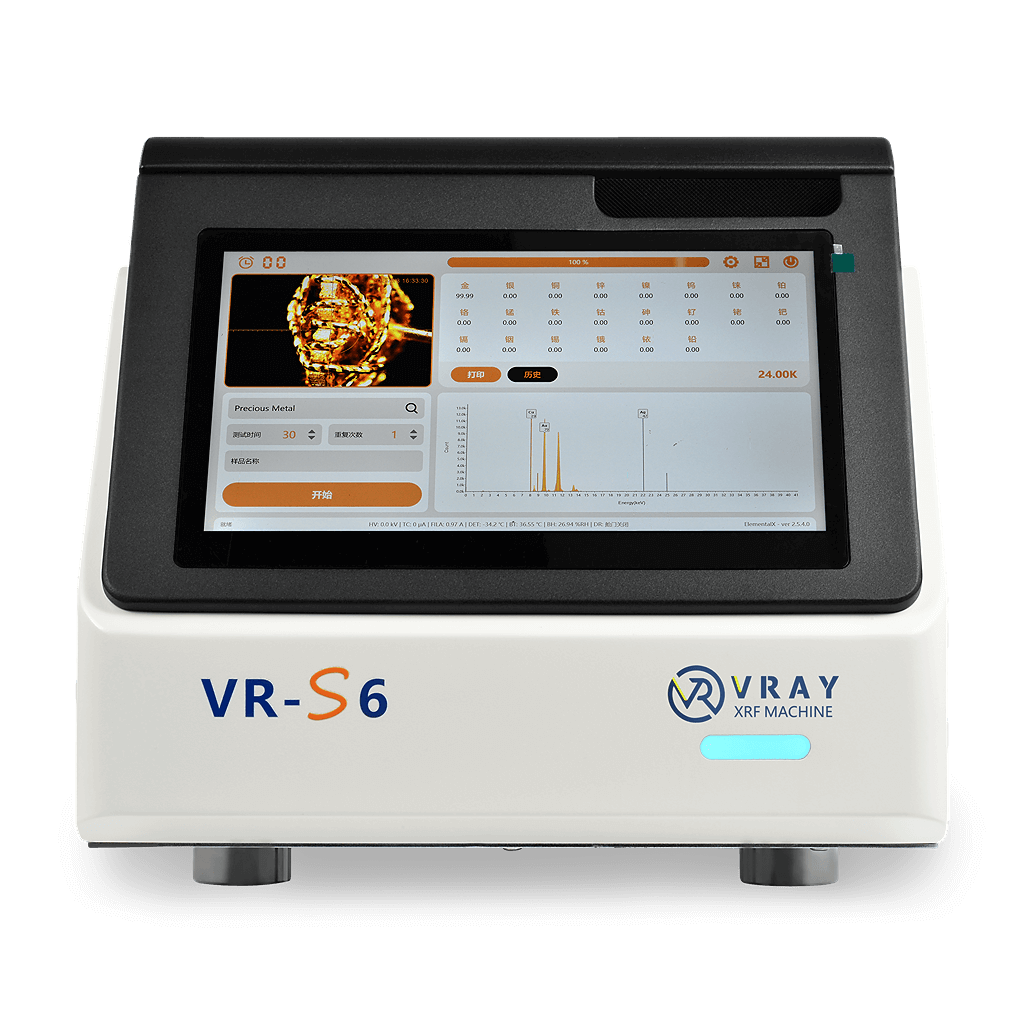
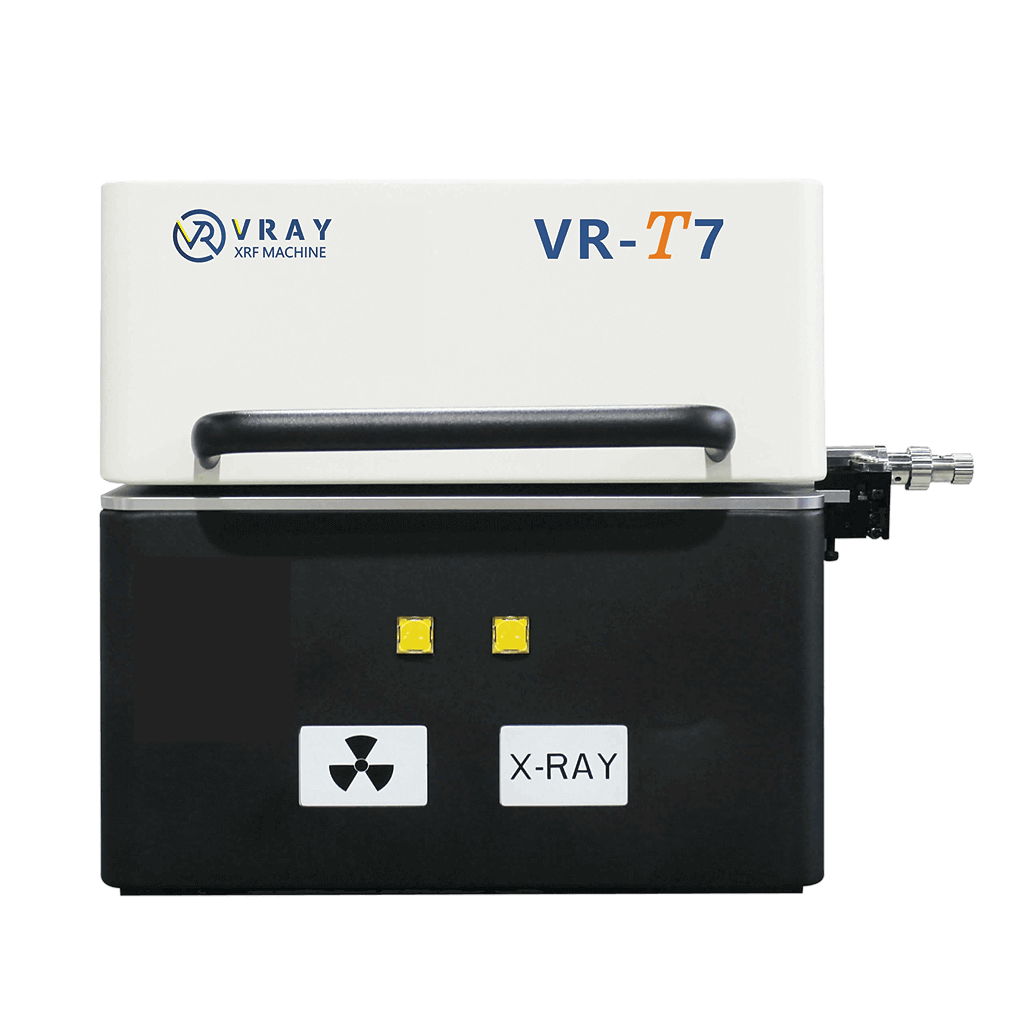
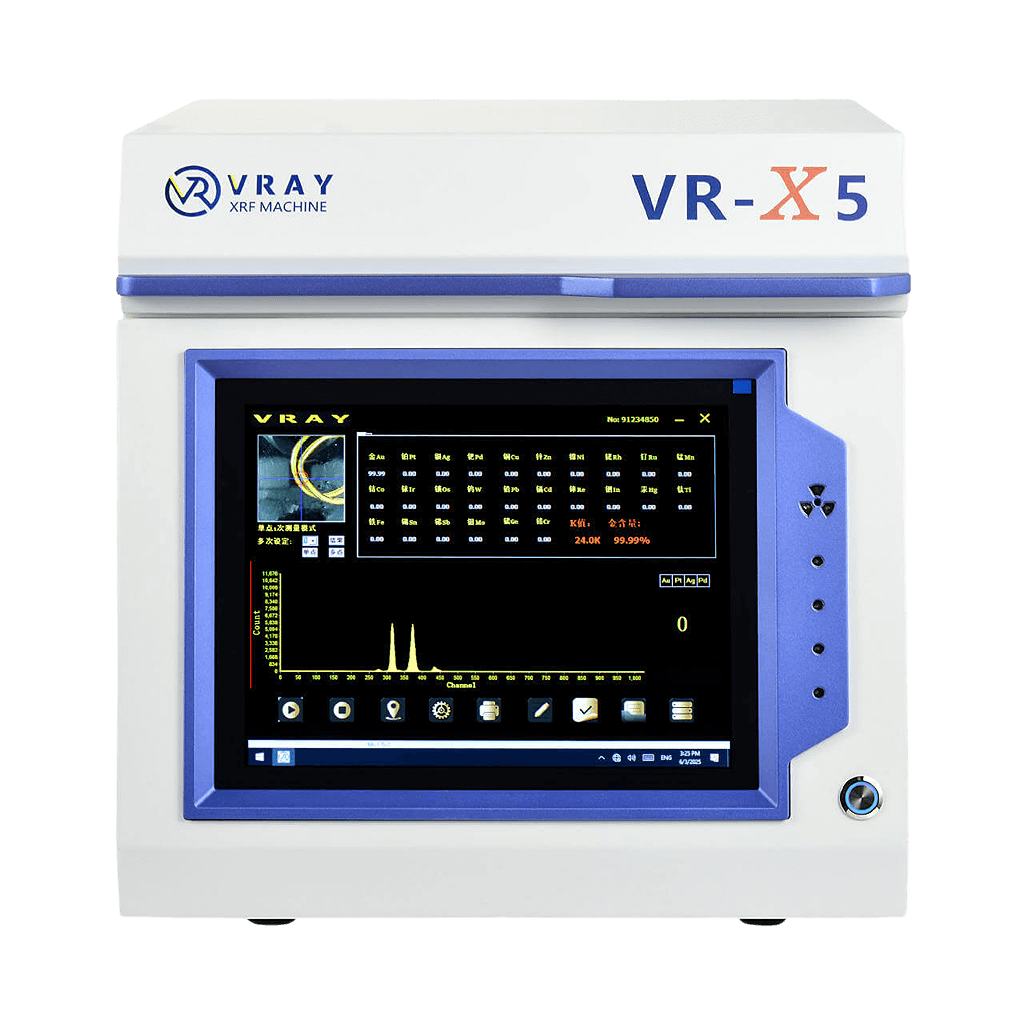
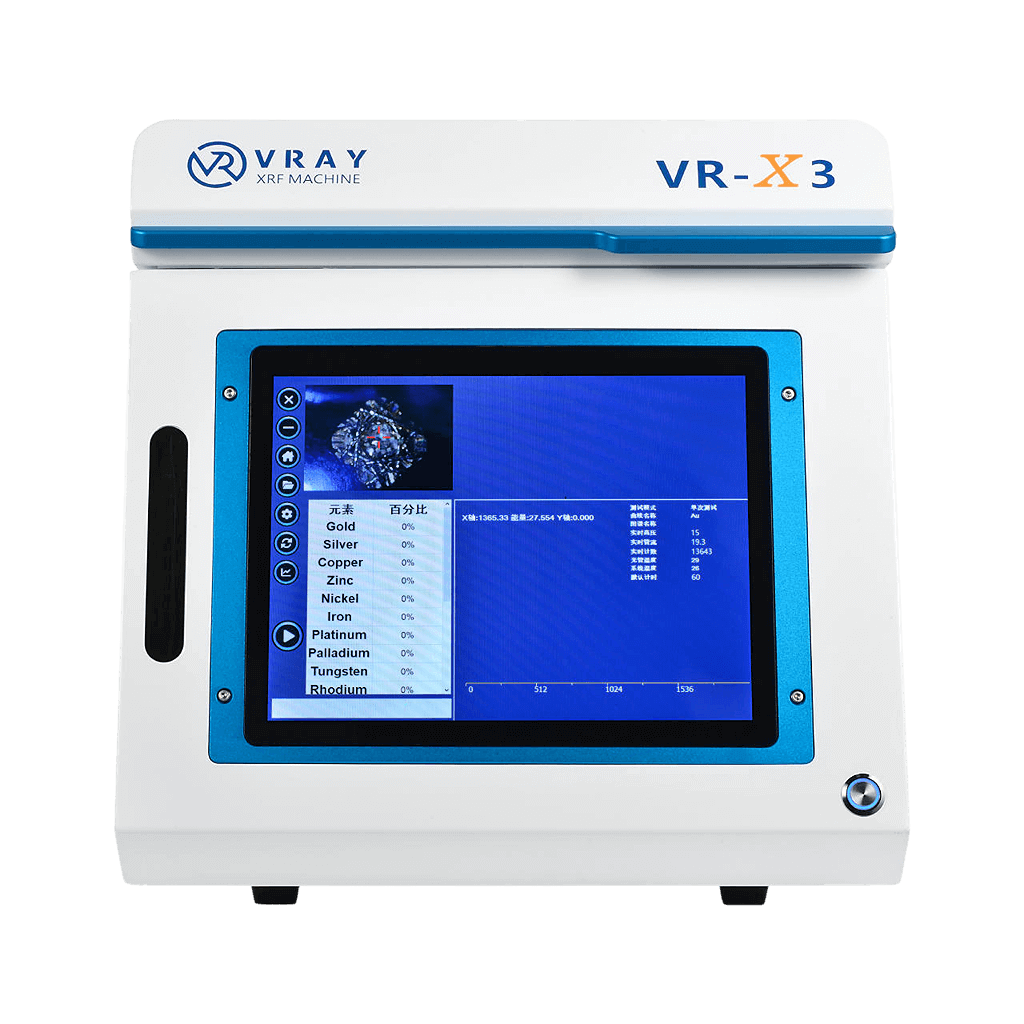
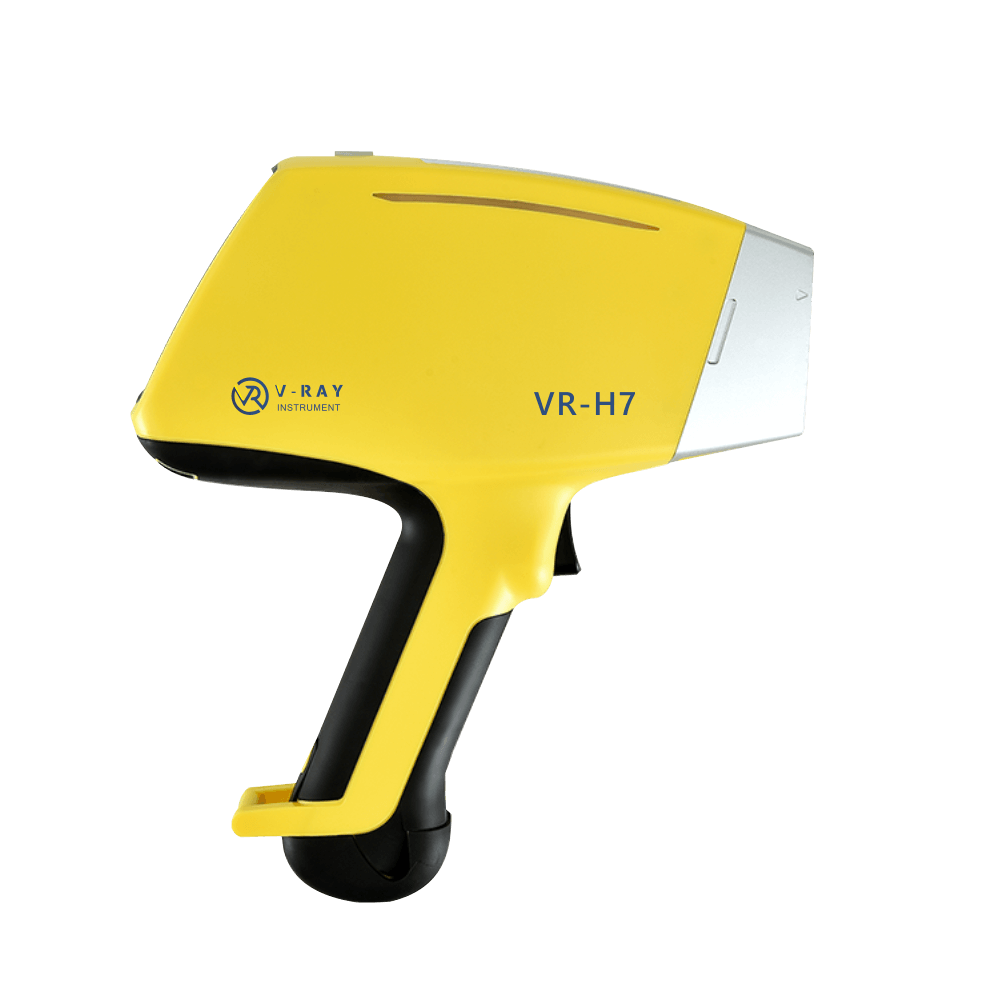
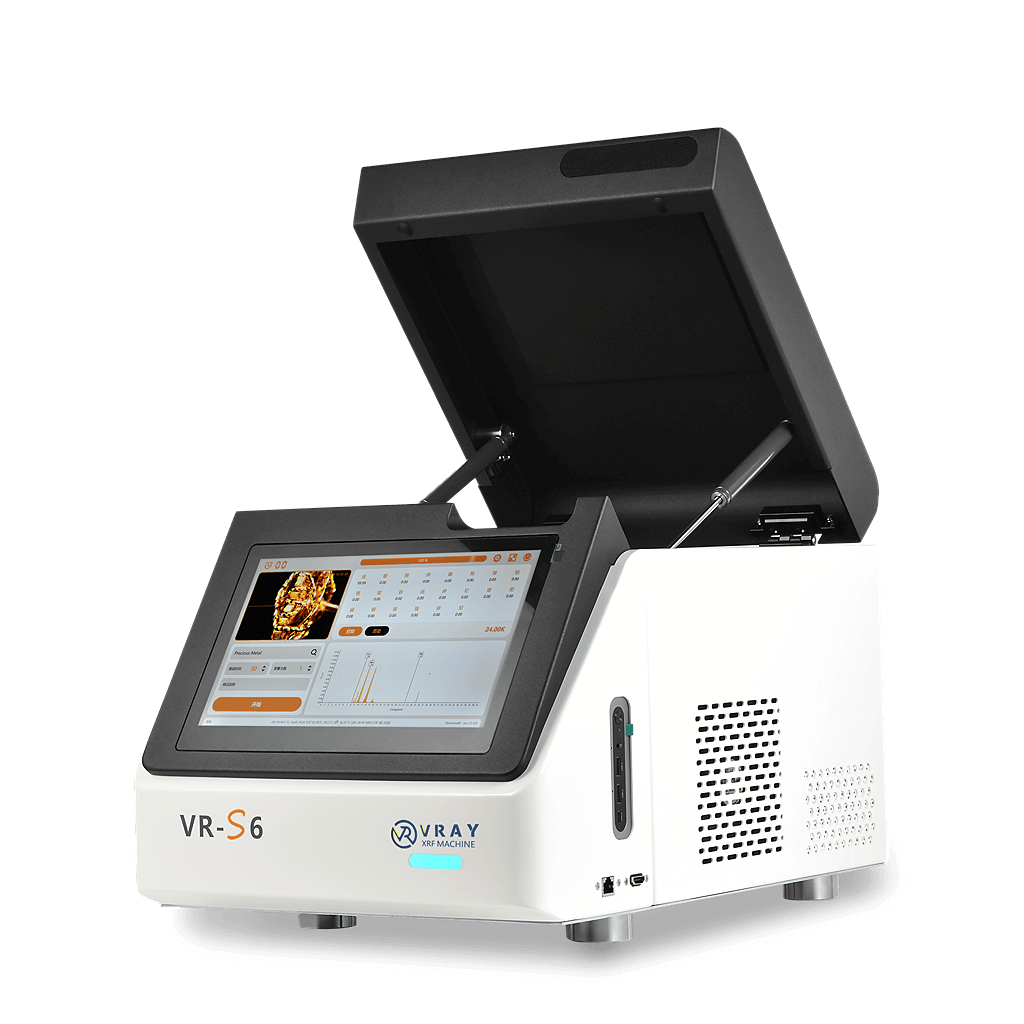
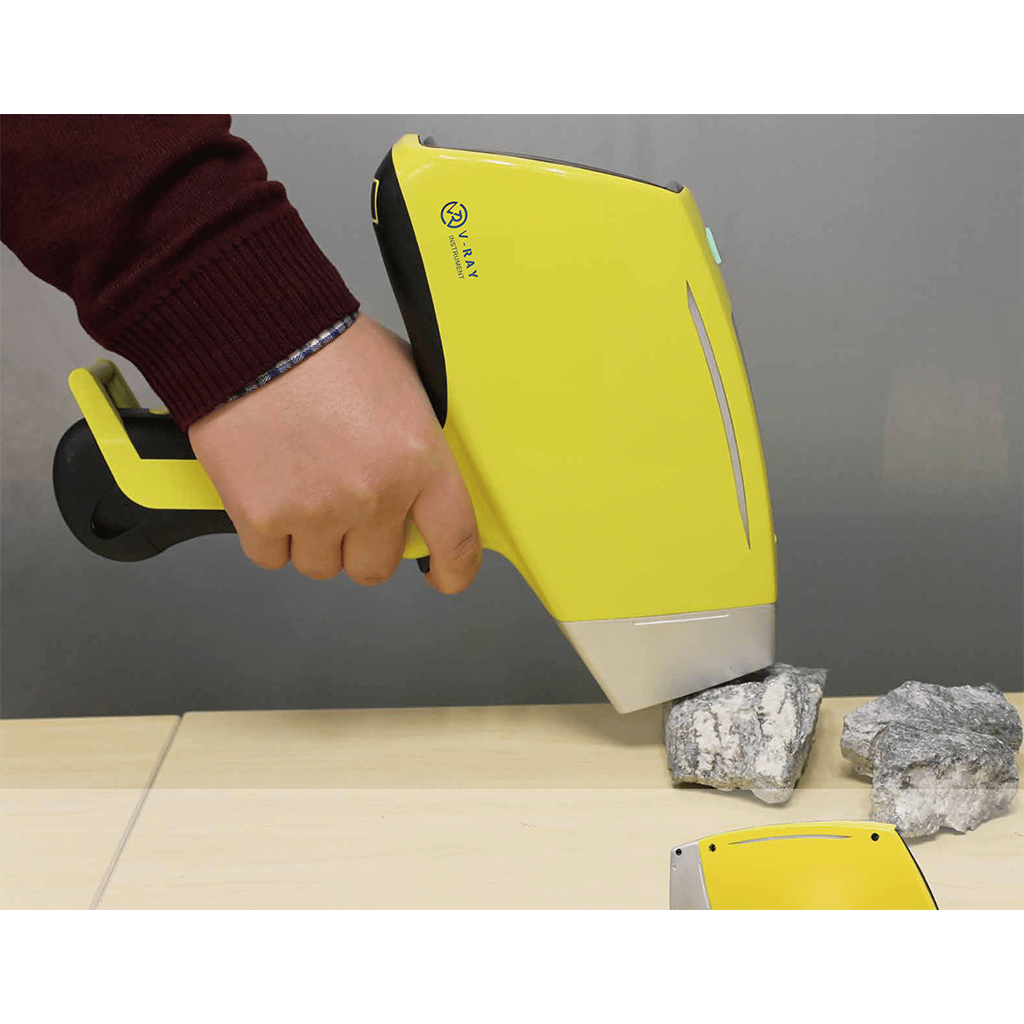
XRF testing stands out as a highly effective preliminary screening tool. It acts like an “X-ray” for elements, identifying the unique signature of the metals on the surface. For jewelry or thin coins, a portable XRF analyzer can deliver definitive results in seconds.
Limitations of XRF in Bullion
The fundamental weakness of XRF technology is its shallow penetration depth. The X-ray beam only interacts with atoms on the immediate surface—typically 10 to 50 microns deep. If a counterfeit bar is “gold-wrapped” with a shell thicker than a human hair, the XRF will read 99.99% purity, missing the tungsten core entirely. Therefore, for bars over 1 oz, XRF must be supplemented with core-penetrating technologies.
Eddy Current Testing: Seeing Through Solid Gold
To reach the center of a bar without cutting it, professionals use Eddy Current testing. Devices like the Sigma Metalytics Precision Verifier use electromagnetic waves to check the electrical conductivity of the core. Because every metal has a specific conductivity profile, the device can detect if the center of the bar matches the profile of pure gold.
Deep Penetration: Electromagnetic waves pass through the gold shell to identify the high-resistance tungsten hidden inside.
Through-Packaging Capability: These waves can pass through plastic assay cards and tamper-evident packaging, allowing for verification without breaking seals.
Ultrasonic Testing: Verifying Internal Consistency
Ultrasonic testing provides a physical “acoustic map” of the bar’s internal structure. This is the premier method for verifying large 1kg or 400oz bars where tungsten “slugs” might be strategically placed within the center of the bar.
How Ultrasound Works
Metal | Acoustic Velocity (m/s) | Density (g/cm³) |
|---|---|---|
Pure Gold | ~3,240 | 19.32 |
Wolfram | ~5,200 | 19.25 |
Lead | ~2,160 | 11.34 |
When an ultrasonic pulse is sent through the bar, it travels at a specific speed. If the pulse hits a tungsten boundary, the wave reflects prematurely or travels at a vastly different speed (5,200 m/s vs. 3,240 m/s), immediately signaling a fake.
At-Home Checks and Their Limitations

Visual and Magnet Tests
Visual inspection should always be the first step, though it is the least reliable. Check for crisp, deep engravings and unique serial numbers. The magnet test is also useful: pure gold is non-magnetic. While tungsten is also non-magnetic, many fakes use nickel binders that may cause a slight reaction to a strong neodymium magnet.
Specific Gravity (Archimedes’ Principle)
This DIY test measures density by calculating water displacement. You divide the dry weight of the bar by its submerged weight.
Calculation: Dry Weight / Submerged Weight = Density.
For pure gold, the result should be 19.3. However, because tungsten’s density is so close (19.25), even a small error in your scale or an air bubble can make a fake bar pass this test.
Summary: Building a Multi-Layered Defense
To safeguard your assets, you must move from a single-test mindset to a multi-layered verification strategy. No single method is infallible. Professional investors use a combination of technologies to ensure 100% authenticity.
Test Type | Detects | Limitation for Tungsten |
|---|---|---|
XRF Analysis | Surface chemical composition | Cannot see beneath the surface skin |
Eddy Current | Subsurface electrical conductivity | Needs correct calibration for alloys |
Ultrasonic | Internal structural consistency | Requires coupling gel and training |
Specific Gravity | Overall volumetric density | Tungsten matches gold’s density nearly perfectly |
“Pricing below spot is the #1 red flag. No legitimate dealer sells gold for less than its market value. If a deal seems too good to be true, it is likely a tungsten-filled fake.”
Step-by-Step Action Plan if You Suspect a Fake
Stop Payment: Immediately halt any pending transactions or wire transfers.
Document Everything: Keep all receipts, assay cards, and correspondence with the seller.
Seek Professional Verification: Visit a certified appraiser who utilizes XRF and Ultrasonic equipment.
Contact Authorities: If a bar is confirmed as tungsten-filled, report the incident to the appropriate fraud division.
Frequently Asked Questions (FAQ)
1. Can a tungsten-filled bar pass a gold acid test?
Yes. Because most counterfeit bars are wrapped in a thick layer of real 24k gold, an acid test will only react with the surface gold and return a “pass” result.
2. How does XRF testing spot tungsten-filled gold bars?
XRF testing uses X-rays to read the elements on the bar’s surface. If the gold plating is thin, it can detect the tungsten. However, for “heavy plated” bars, it will only confirm the surface gold is real.
3. Can I detect tungsten fakes through an assay card?
Yes, by using Eddy Current testing (Sigma Metalytics). Its electromagnetic waves are designed to pass through plastic packaging and assay cards without damaging them.
4. What is the most common size for tungsten-filled fakes?
While they exist in 1 oz sizes, they are most common in larger 10 oz and 1-kilogram bars. The higher profit margin for the counterfeiter justifies the more complex manufacturing process required to hide the tungsten core.
5. Are portable XRF analyzers accurate for field testing?
Portable XRF analyzers provide fast and reliable results for surface composition. They are excellent for quick checks in shops or warehouses but should be paired with other tests for thick bullion bars.