
















Mastering how to tell if a gold chain is real by looking at it serves as your essential first line of defense in jewelry authentication. While a simple visual check cannot replace scientific analysis, it is the most critical step in jewelry appraisal. By identifying the specific “fingerprints” left by manufacturers, you can filter out many counterfeits before committing to a purchase or a professional appraisal. This guide outlines seven vital visual signs that a gold chain may not be what it seems.
Key Takeaways
Check the Hallmark: Look for official purity stamps like 14K, 18K, or 585; avoid marks like GP, GF, or HGE which indicate plating.
Discoloration Red Flags: Real gold never turns skin green or shows base metals (silver/copper) in high-friction areas.
The Magnet Filter: Use a Neodymium magnet; while clasp springs may stick, individual links should never react.
Density and Weight: Solid gold (19.3 g/cm³) is much denser than base metals. Fakes often feel “light” or unpleasantly “plasticky.”
Professional Certainty: For high-stakes purchases, visual clues must be confirmed with non-destructive XRF analysis to detect advanced tungsten cores.
1. Inspecting Hallmarks and Purity Stamps
Hallmark stamps are the primary indicators of gold purity. Usually found on the clasp or the loop connecting the clasp to the chain, these tiny engravings act as a certificate of authenticity. In many regions, selling precious metals without a hallmark is illegal, though standards vary between the US (voluntary) and the EU (mandatory).
Stamp | Purity Percentage | Notes |
|---|---|---|
24K / 999 | 99.9% | Pure gold; rare in chains due to softness. |
18K / 750 | 75.0% | Standard for high-end luxury jewelry. |
14K / 585 | 58.3% | Most common in the US for durability. |
10K / 417 | 41.7% | Minimum legal standard for “gold” in the US. |
GP / GEP / HGE | Variable | Indicates Gold Plated or Heavy Electroplate; not solid gold. |
“Be on high alert for under-karating, where a stamp claims 18K but the metal is a lower grade. Always look for crisp, deep, and evenly sunk engravings. Shallow or uneven marks often signal a fake.”
2. Checking for Discoloration and “Green Skin”
Real gold is a noble metal, meaning it does not react with oxygen or moisture. If your chain shows signs of tarnishing or rust, it is a definitive red flag. Pay close attention to the inner curves of links and high-friction areas. If a silvery or reddish hue peeks through the yellow surface, you are likely holding a gold-plated base metal chain.
Furthermore, the infamous “green skin” effect occurs when base metals like copper or nickel oxidize against your skin. Solid gold does not turn your skin green. While lower-karat alloys like 10K might leave a slight dark smudge in highly acidic environments, a vivid green ring is proof of a copper-heavy counterfeit.

3. The Magnetism Test
Pure gold is non-magnetic (diamagnetic). To conduct this test effectively, you must use a strong Neodymium magnet, as a standard refrigerator magnet is often too weak to penetrate thick plating. If the links of your chain jump to attach to the magnet, the item contains a ferromagnetic core like iron, steel, or nickel.
The Clasp Exception: Most genuine gold chains use a tiny steel spring inside the clasp mechanism. It is normal for the spring to stick to a magnet, but the individual chain links should remain completely inert.
4. Weight, Density, and the “Tungsten Problem”
Gold is extraordinarily dense (19.3 g/cm³). A solid gold chain should feel heavy and substantial for its size. However, modern counterfeiters have mastered the use of tungsten-wrapped fakes. Tungsten has a density of 19.25 g/cm³, making it nearly identical to gold. These fakes will pass simple weight and dimensions checks, often fooling even experienced jewelers.
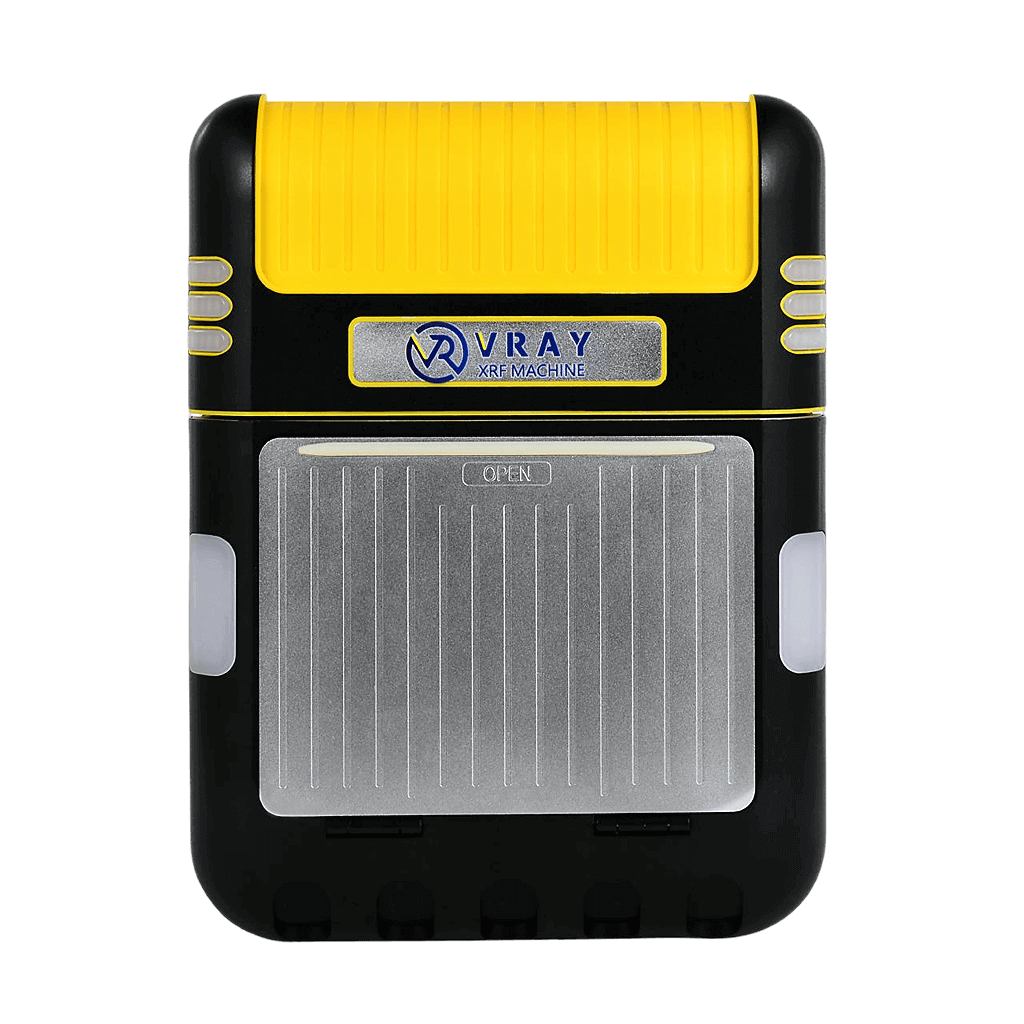
To identify these advanced fakes, visual inspection is insufficient. Professionals use XRF (X-Ray Fluorescence) technology. XRF analyzers emit X-rays that cause the metal to release fluorescent radiation, allowing the device to determine the exact elemental makeup of the chain, including hidden tungsten cores.
5. Analyzing Link and Clasp Quality
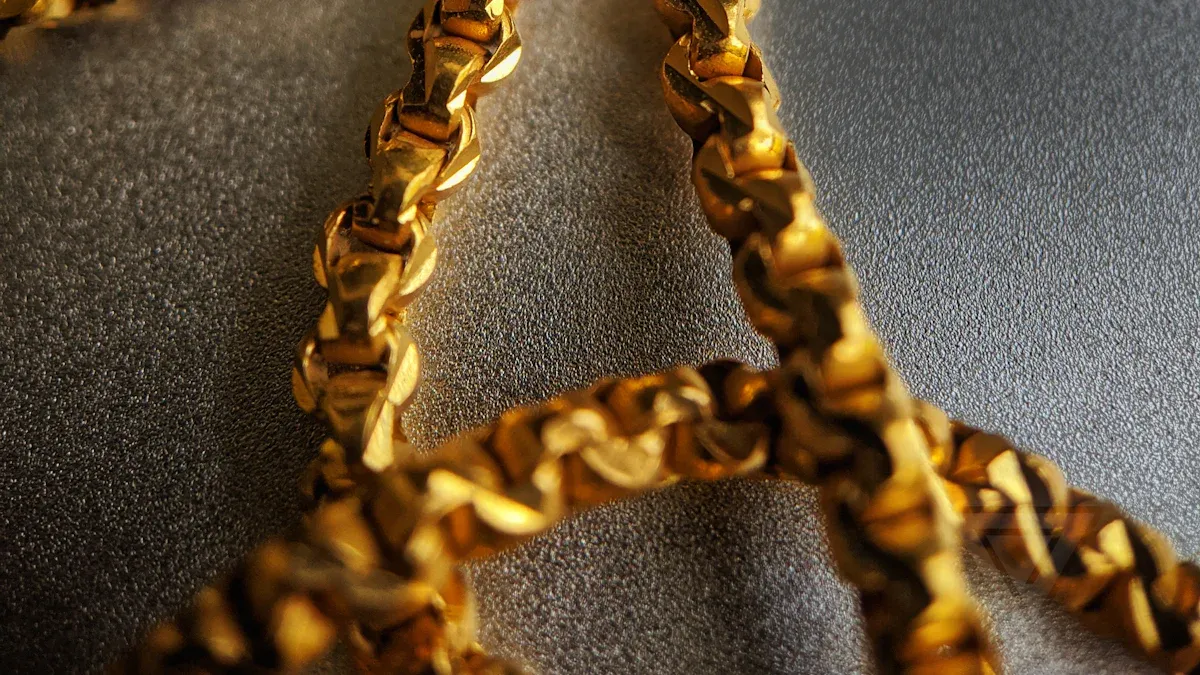
Authentic gold jewelry is a product of mechanical precision. Each link should be uniform in size and shape, allowing the chain to drape fluidly. In luxury gold pieces, the jump ring (the loop connecting the clasp) is usually completely soldered shut. A visible gap or a flimsy clasp that feels “light” often suggests lower-standard costume jewelry.
Feature | Authentic Gold Chain | Fake Gold Chain |
|---|---|---|
Construction | Consistent size/shape, smooth finish | Irregular links, rough edges, visible seams |
Clasp | Sturdy, cold to the touch, matches color | Flimsy, inconsistent color with chain |
Solder Points | Seamless, matches link color | Discolored (gray or copper) joints |
6. Color Consistency and Lustre
Genuine gold has a soft, rich warmth. This lustre is distinct from the superficial “neon” or overly brassy orange-ish tint found on many fakes. Rose gold should have a subtle pink hue from copper, and white gold should look silvery and contemporary. If the color appears patchy, uneven, or fades at the edges of the links, the chain is likely plated.

7. Identifying Acid Test Damage
If you are buying a second-hand chain, look for signs of previous testing. Professionals often use nitric acid tests, which require scratching the surface. Look for small scratches, etched spots, or milky patches on the metal. While these are used to verify gold, their presence indicates that the chain’s aesthetic and resale value may already be compromised. Real gold shows no change when exposed to acid, whereas fakes may turn green or milk-white.
The Digital Analysis Report: Beyond the Eye
Because modern counterfeiting techniques like thick plating and tungsten substitution can deceive the human eye, professional digital analysis is the gold standard for certainty. A digital analysis report uses XRF technology to provide a detailed breakdown of the alloy composition. It confirms the exact percentage of gold, silver, copper, and palladium without damaging the piece.
“For high-value investments, never rely solely on a magnet. A professional digital analysis report provides doubt-free assurance and a verifiable chain of custody for your gold assets.”
Frequently Asked Questions (FAQ)
1. Does real gold always have a hallmark?
Most do, especially modern pieces. However, antique jewelry or pieces that have been repaired/resized may have lost their original stamps. Conversely, a hallmark can be faked, so it must be used with other tests.
2. Will a real gold chain ever tarnish or rust?
Pure 24K gold is inert and will not tarnish. However, common 10K, 14K, and 18K alloys contain base metals like copper and silver which can oxidize slightly over decades, but they will never rust or turn your skin green.
3. Why is my gold chain magnetic only at the clasp?
This is normal. Most genuine gold chains use a tiny steel spring inside the clasp for durability. If only the spring reacts to the magnet, the chain is likely real; if the links react, it is fake.
4. Can weight alone confirm my gold chain is real?
No. While gold is dense, fakes using tungsten can match the weight of gold almost perfectly. Weight is a good clue, but scientific analysis like XRF is required to verify the internal metal.
5. Is the “bite test” safe?
No. Gold is soft, but so is lead (often found in fakes). Biting your jewelry can damage the piece and your teeth. Stick to visual and magnetic inspections instead.