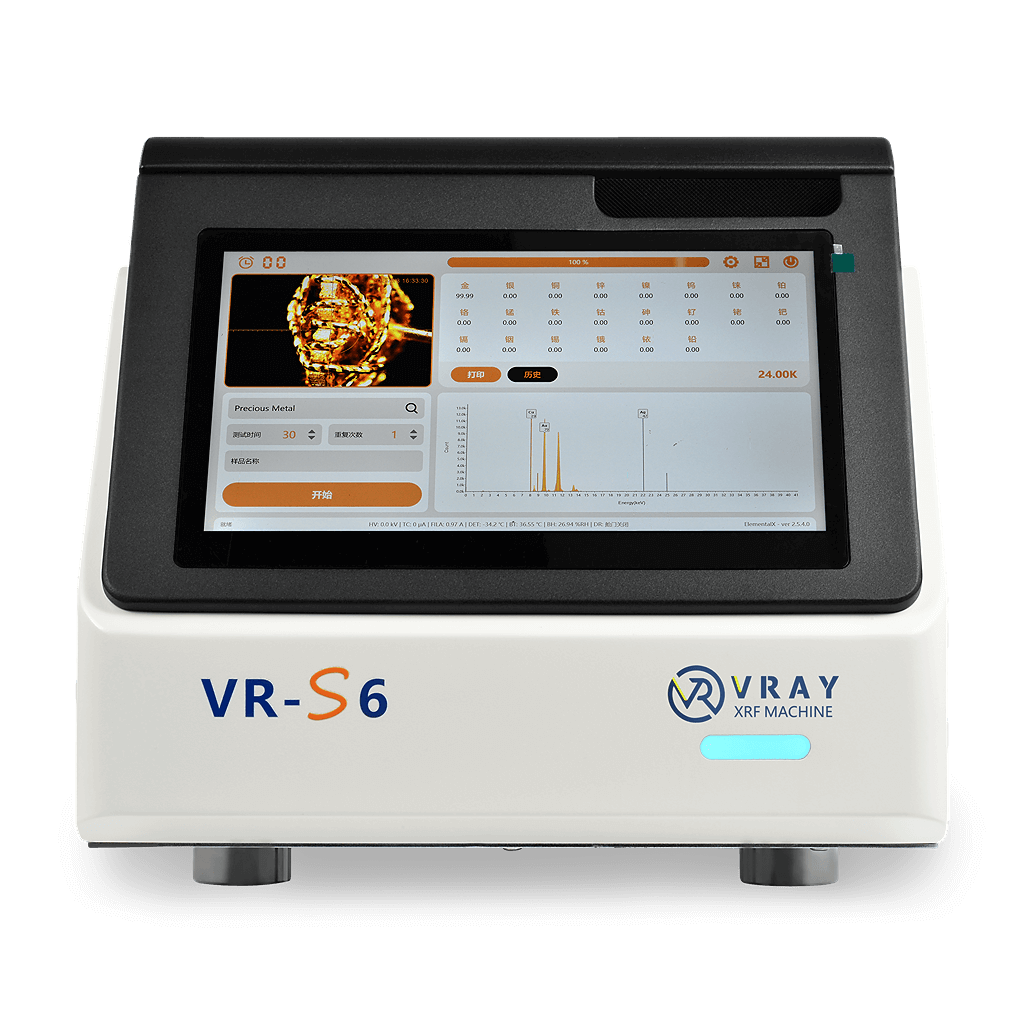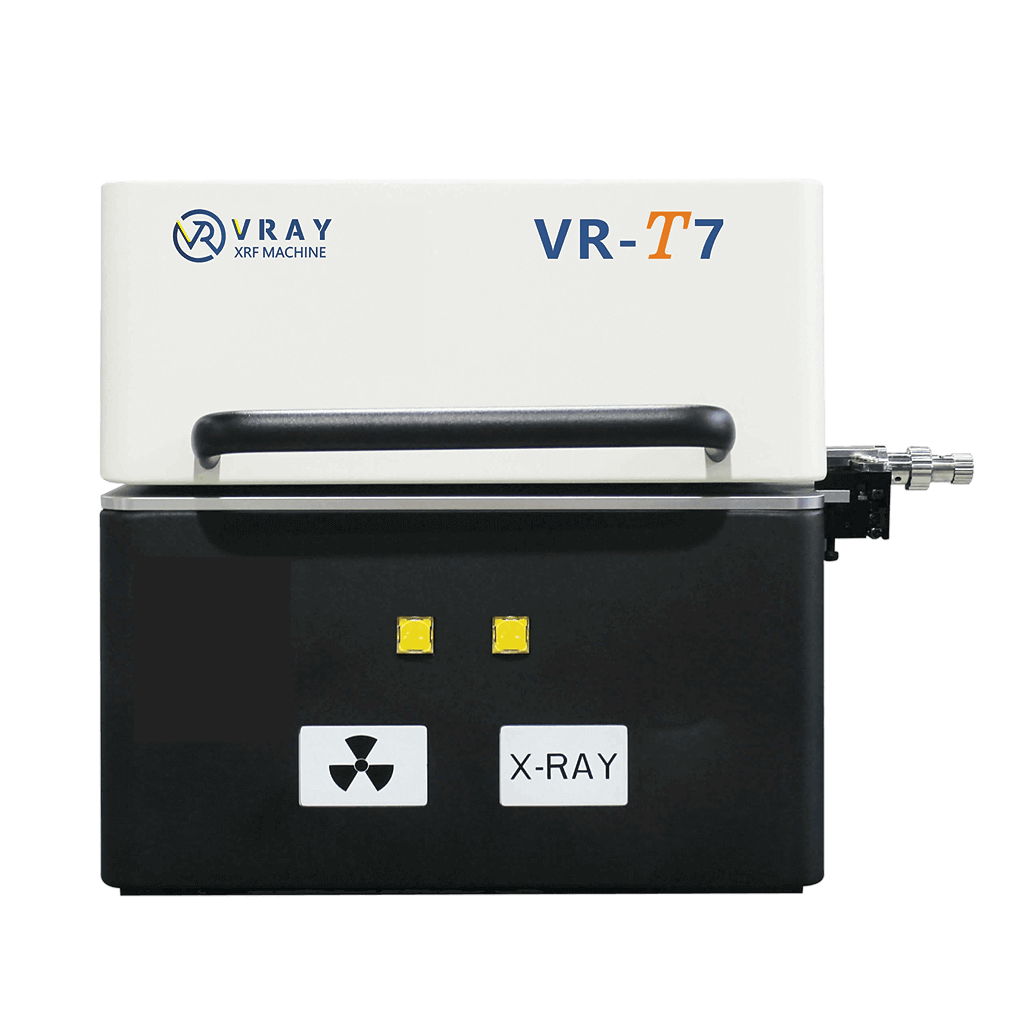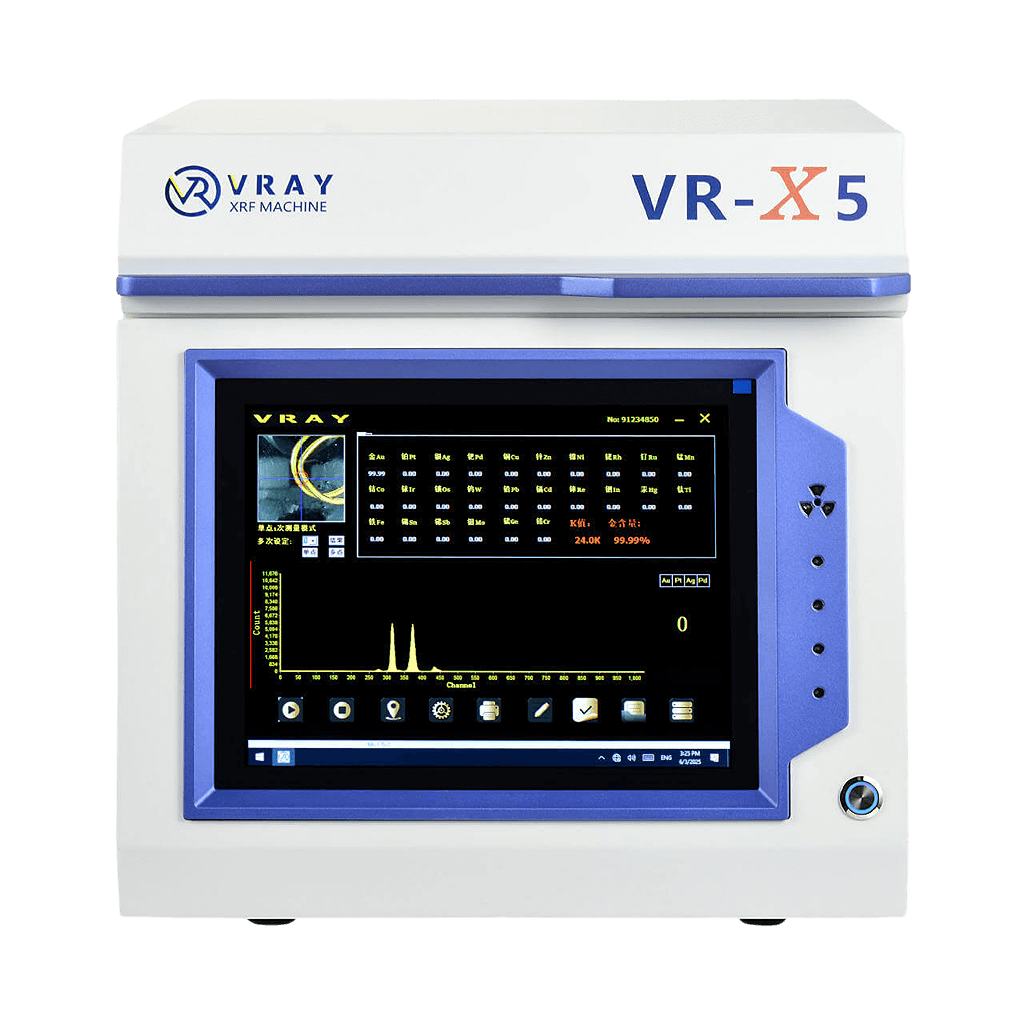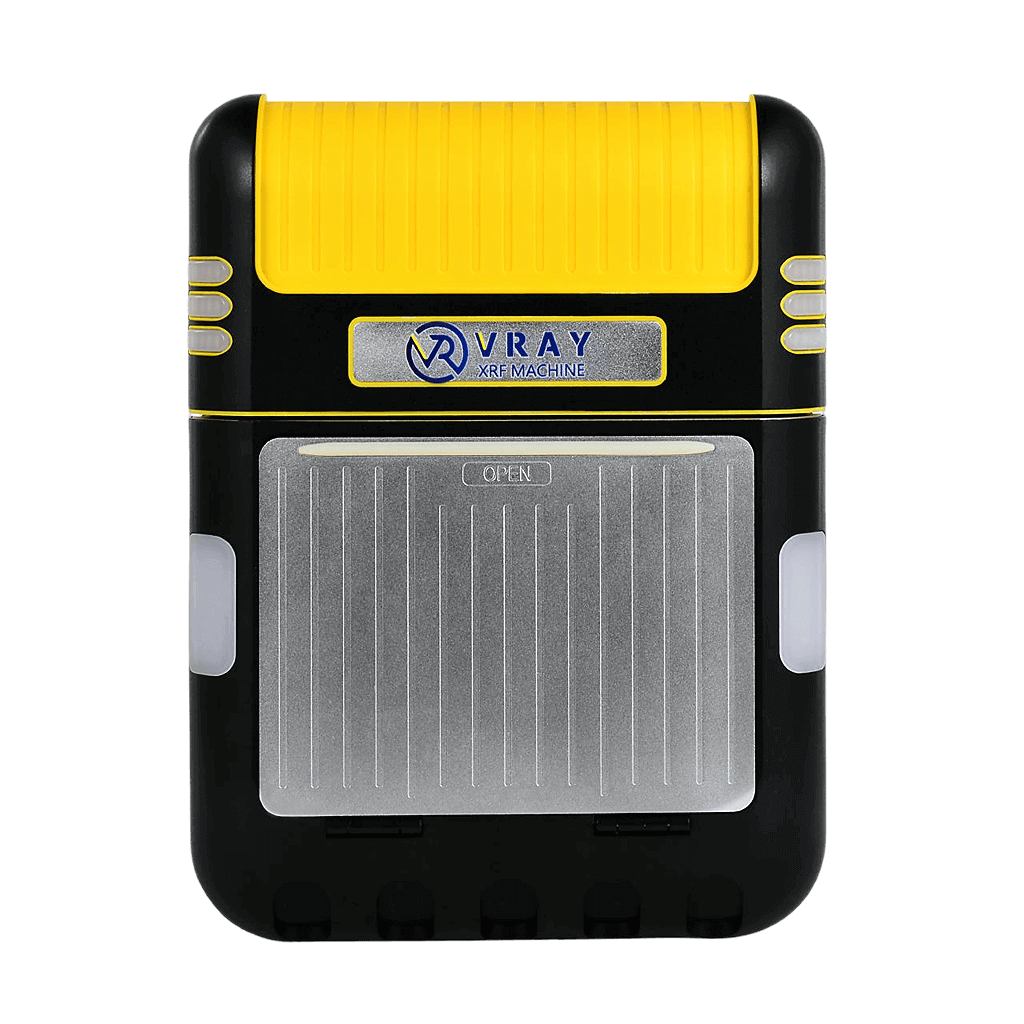









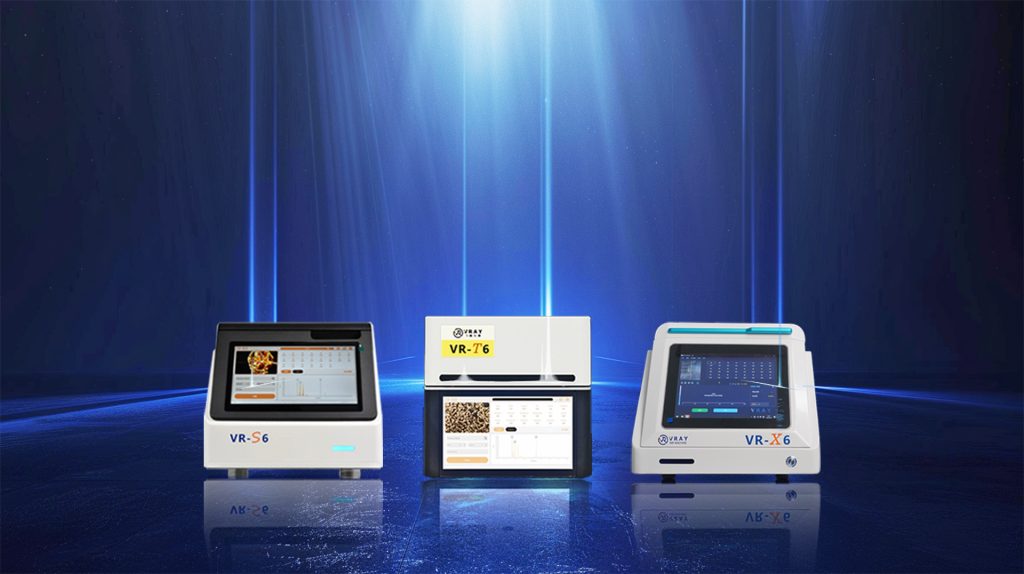
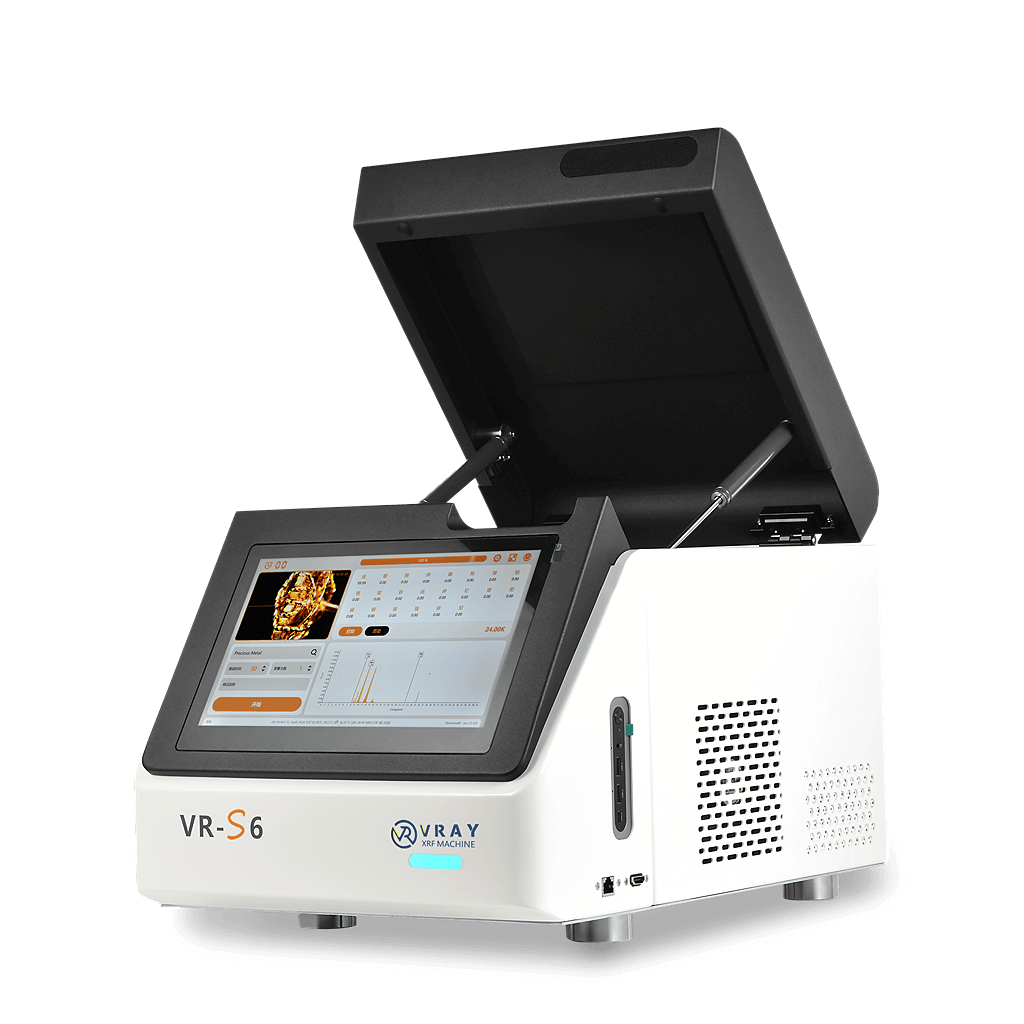


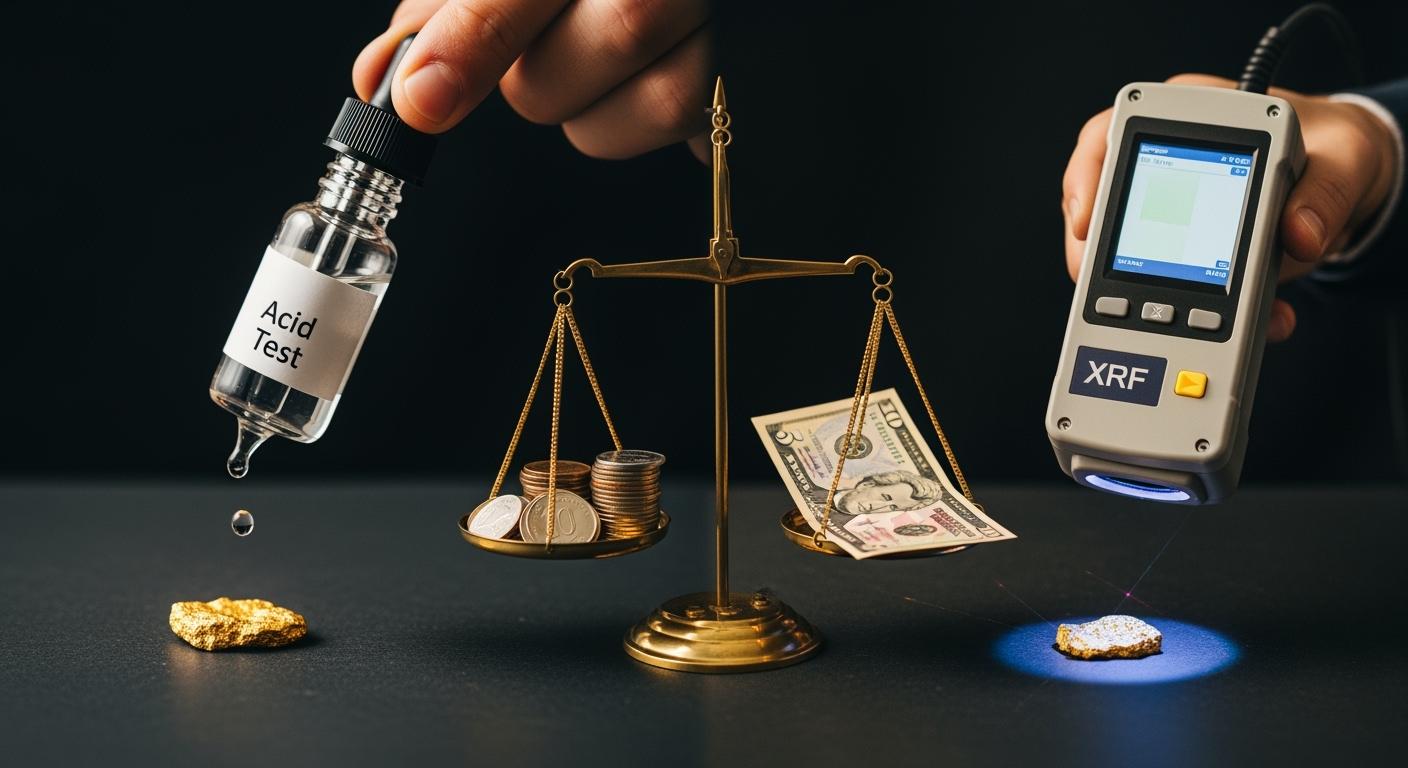
In the precious metal industry, the accuracy of your testing method determines the integrity of your profit margins. For decades, the traditional “Acid Scratch Test” was the standard for jewelry stores and pawn shops due to its minimal entry price. However, as metallurgical sophistication has evolved—introducing thick-plated tungsten fakes and complex multi-element alloys—the financial risks associated with chemical testing have skyrocketed. Today, professional operations are increasingly pivoting toward X-ray Fluorescence (XRF) analyzers to ensure a higher Return on Investment (ROI) and absolute analytical precision.
This comparison moves beyond surface-level pricing to examine the Total Cost of Ownership (TCO). While an acid kit costs less than $100 upfront, the cumulative expenses of hidden errors, chemical replacement, labor inefficiency, and damaged inventory often exceed the cost of a high-precision VRAY XRF spectrometer within the first 12 to 18 months of operation.
Key Takeaways
Long-Term ROI: XRF analyzers eliminate recurring consumable costs, offering a lower TCO for high-volume businesses.
Non-Destructive Value: Acid testing permanently etches and damages inventory, reducing resale value; XRF preserves the item’s original condition.
Financial Risk Mitigation: An error of just 1-2 karats in a 50g gold bar can cost a business $300-$500; XRF accuracy prevents these common losses.
Operational Velocity: XRF delivers 99.9% accurate results in 10 seconds, compared to 5-10 minutes for a multi-stage chemical test.
Safety & Compliance: XRF eliminates the need to handle corrosive nitric acid and manage hazardous chemical waste disposal.
Understanding the Analytical Gap
How the Acid Scratch Test Works
The chemical methodology relies on the relative corrosion resistance of gold alloys. By scratching the sample against a touchstone and applying specific concentrations of nitric and hydrochloric acids (Aqua Regia), an operator observes the “staying power” of the streak. If the streak dissolves, the gold content is lower than the karat rating of the acid used. This method is fundamentally subjective and only analyzes the outermost surface layer, making it easy for “heavy plated” items to pass as solid gold.
The Physics of XRF Spectrometry
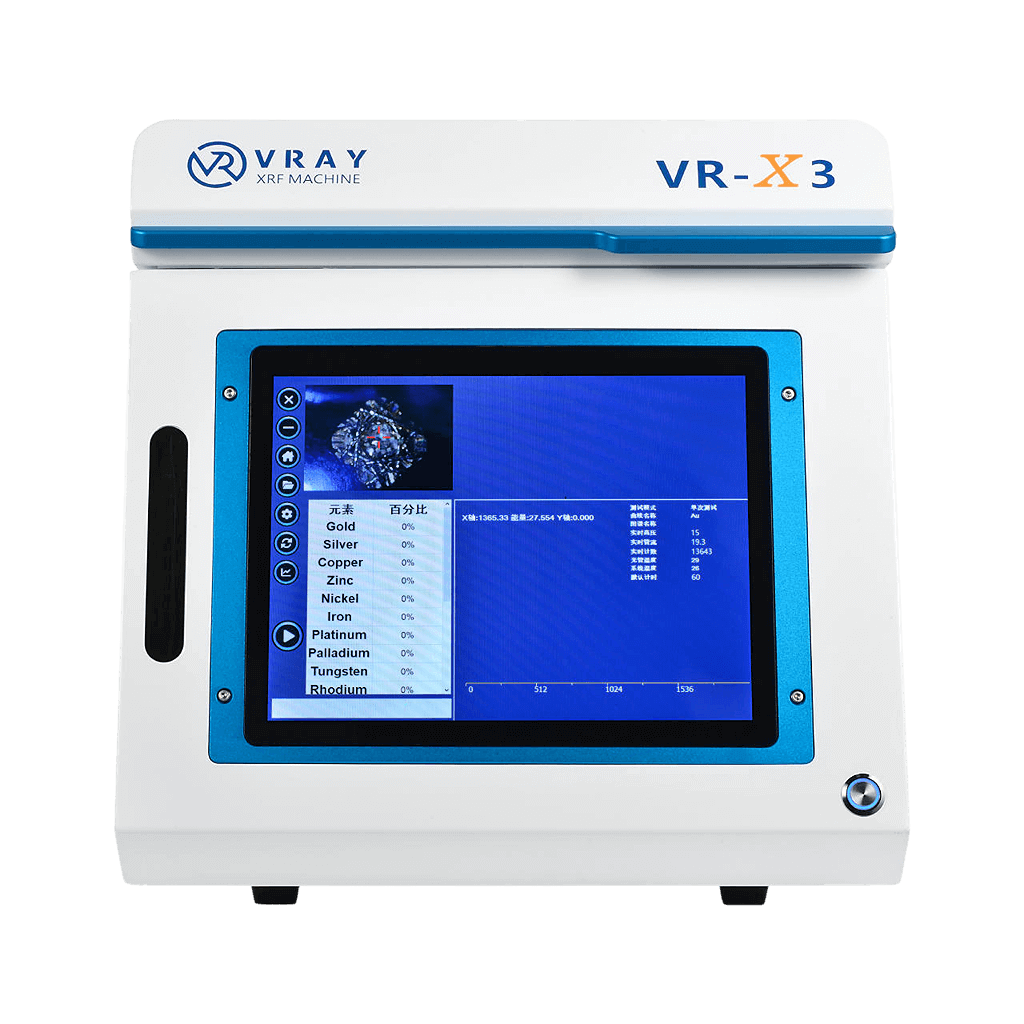
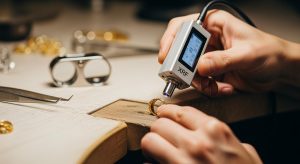
In contrast, an XRF analyzer utilizes the photoelectric effect. When the device emits a primary X-ray beam, it ejects electrons from the inner shells of the sample’s atoms. As electrons from higher energy shells drop down to fill these vacancies, they emit secondary “fluorescent” X-rays unique to each element. By measuring these energy signatures, the device provides a full metallurgical breakdown of every element present (Gold, Silver, Platinum, Palladium, Copper, Zinc, Tungsten, etc.) in seconds.
Comparison Metric | Acid Scratch Testing | XRF Analysis (NDT) |
|---|---|---|
Initial Entry Price | Very Low ($20 – $100) | Moderate to High ($5k – $15k+) |
Consumables | Recurring (Acids, Stones, PPE) | None |
Labor Speed | Slow (8 – 12 minutes per item) | Fast (10 – 20 seconds per item) |
Exactitud | +/- 1 to 2 Karats (Subjective) | +/- 0.01% to 0.1% (Objective) |
Damage to Item | Yes (Etching/Scratching) | No (Non-destructive) |
Deep Financial Breakdown: Upfront vs. Hidden Costs
When analyzing the cost of a testing method, businesses must look at the “hidden leaks” in their operation. While the XRF analyzer upfront cost is higher, it acts as a permanent insurance policy against fraud and operational delays.
Consumable Burn Rate in Chemical Testing
Acid kits require fresh chemicals. Nitric acid is sensitive to light, temperature, and contamination; once opened, its shelf life is limited. A professional pawn shop testing 20 items a day will spend significantly on acid replacements, cleaning stones, and safety equipment (nitrile gloves, goggles). Over 3 years, these supplies can total $1,500 – $3,000, not including the cost of hazardous waste disposal required by local environmental regulations.
The ROI of Efficiency
Time is a critical cost factor. A manual acid test involves: scratching, applying acid, waiting, neutralizing, cleaning, and interpreting. This takes roughly 10 minutes per item. In contrast, a compact XRF gold analyzer allows an employee to finish a test in 10 seconds. In a high-volume intake environment, XRF allows one employee to do the work of four using traditional methods. The savings in labor alone often justifies the equipment lease within the first year.
Financial Perspective: “Accuracy is the only true way to save money. Buying a single fake gold bar because an acid test couldn’t detect the tungsten core can instantly wipe out a month’s profit.”
Accuracy, Risk, and the Cost of Error
Detecting Sophisticated Forgeries
Counterfeiters have mastered the art of bypassing acid tests. By using thick gold plating (20-40 microns) over a tungsten or rhenium core, they create an item that acid will react to as “22K gold.” Because acid only tests the surface, the fraudulent core remains hidden. XRF technology provides a multi-element spectrum that instantly flags the presence of tungsten or other dense base metals that should not be present in pure gold. This “prevention cost” is invaluable for businesses involved in scrap gold procurement.
Preserving Inventory Resale Value
Every time you scratch a piece of jewelry for an acid test, you remove gold and damage the aesthetic finish. For high-end luxury jewelry or collectible coins, this damage can reduce the resale value by 5% to 15%. XRF analysis is the only method that provides total security without leaving a mark. For a high-end jeweler, the ability to test a client’s heirloom in front of them without scratching it builds immense trust and brand prestige.
Risk Variable | Acid Testing Risk | XRF Analysis Risk |
|---|---|---|
Human Error | High (Subjective color judgment) | Minimal (Digital interface) |
Heavy Plating | Cannot detect (False Positive) | Excellent detection (Spectrum flags) |
Employee Safety | Chemical burns/toxic fumes | Safe (Shielded radiation) |
Legal Liability | High (Damaging client property) | None (Non-destructive) |
Safety, Compliance, and Environmental TCO
Modern businesses must account for industrial hygiene. Acid testing involves hidden dangers. Nitric acid is a severe respiratory irritant and can cause permanent lung damage if used in poorly ventilated areas. Daily exposure requires the installation of fume hoods and regular safety audits.
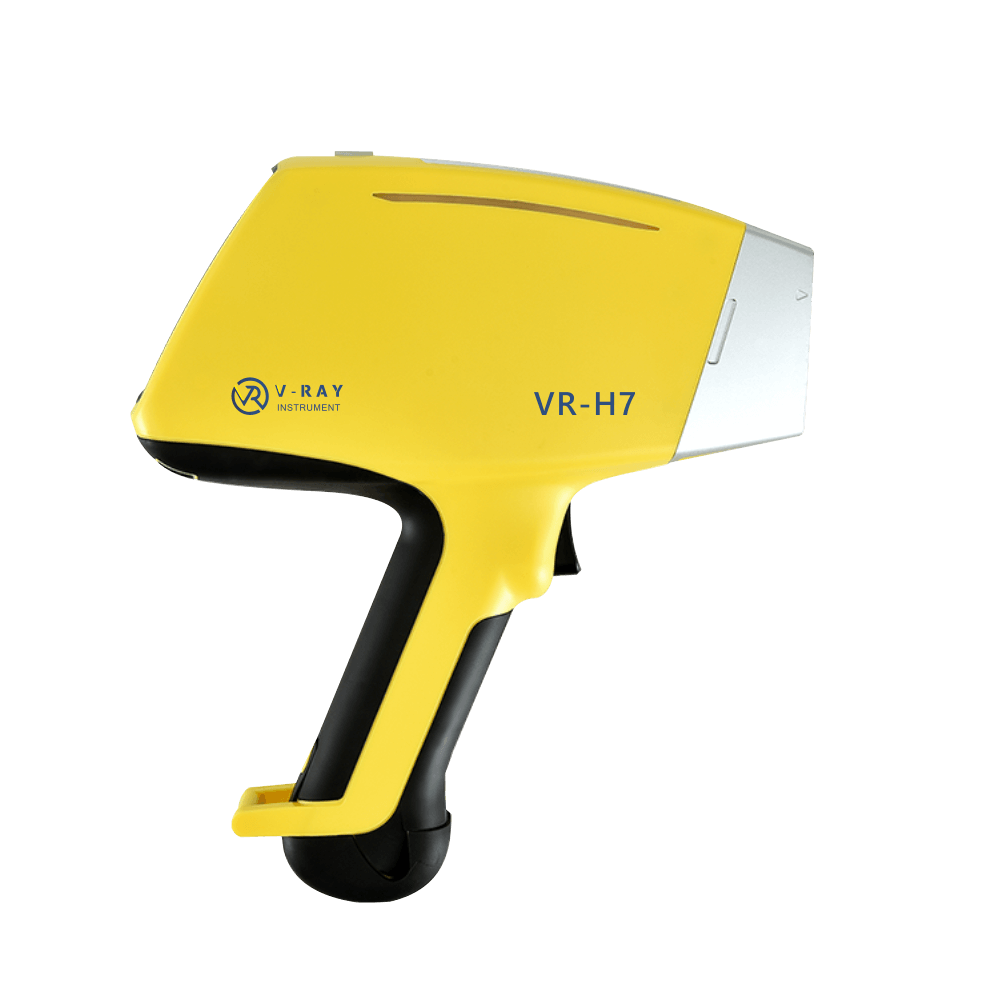
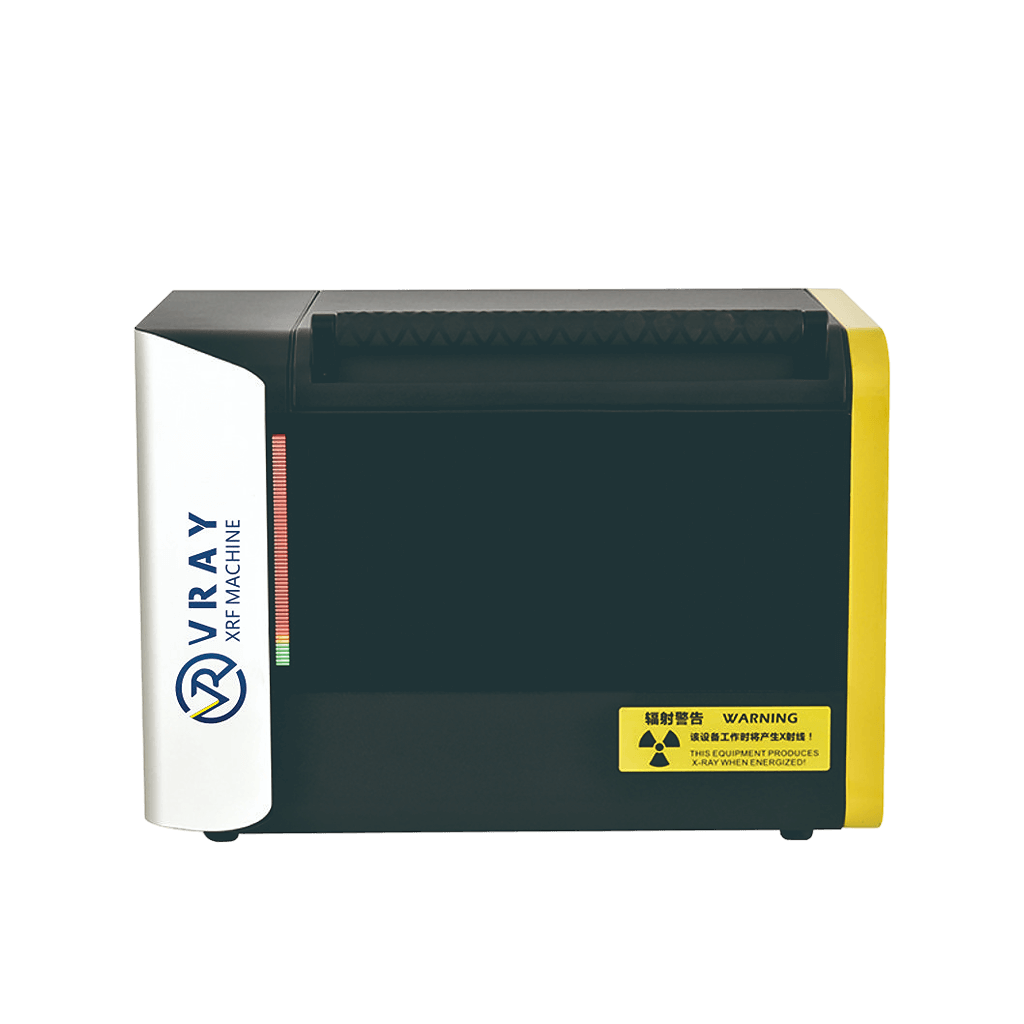
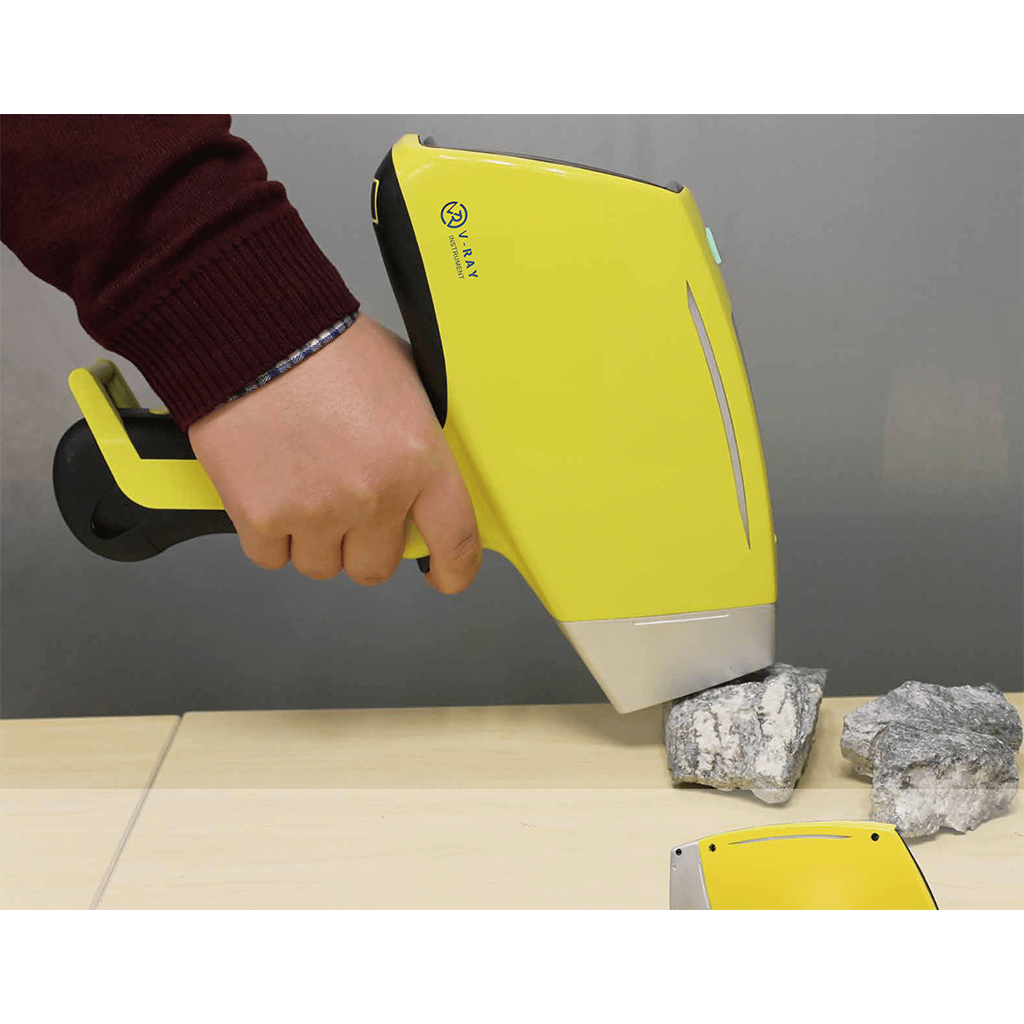
Furthermore, disposing of neutralized acids is a regulatory hurdle. In many jurisdictions, pouring heavy-metal-contaminated acid down the drain is illegal and punishable by steep fines. XRF analyzers, such as the handheld and benchtop models from VRAY, produce zero chemical waste, making them the superior choice for ESG (Environmental, Social, and Governance) compliance. This “zero-waste” operation simplifies business licensing and insurance requirements.
Did you know? Handheld XRF analyzers are designed with built-in safety interlocks. When the sample is not present, the X-ray tube cannot fire, ensuring that the operator is never exposed to primary radiation.
Summary: Which Method Should You Choose?
The decision between these two methodologies depends on your business volume and risk tolerance. For a hobbyist testing one or two items a month, an acid kit is a reasonable starting point. However, for any professional operation—pawn shops, jewelry manufacturers, scrap refineries, or antique dealers—the XRF analyzer is the only logical choice for long-term survival.
Choose Acid Testing if:
You are a casual hobbyist with low financial stakes.
You only test low-value “scrap” items where surface damage is irrelevant.
You have a very limited budget and are willing to accept the risk of human error.
Choose an XRF Analyzer if:
You process high-value bullion, coins, or designer jewelry.
You need to detect sophisticated tungsten fakes.
You require instant, digital documentation for your transactions.
You want to eliminate the health and environmental risks of liquid chemicals.
You value speed and efficiency as core pillars of your business growth.
Frequently Asked Questions
How much does a professional XRF analyzer cost?
While prices vary based on detector sensitivity and software features, a high-quality XRF gold tester typically ranges from $5,000 to $18,000. For most businesses, the payback period is under 12 months when factoring in fraud prevention and labor savings.
Can XRF see through thick gold bars?
XRF is a surface and near-surface technique. While it can penetrate several microns into the metal (enough to identify plating), for massive bullion bars (over 10 oz), it is often used in conjunction with ultrasonic testing to ensure there is no hollow or filled core deep within the center.
Are acid tests legal for official appraisals?
In many regions, acid testing is acceptable for rough estimates, but professional insurance or bank-grade appraisals generally require more rigorous, non-destructive methods like XRF or fire assay to be considered “certified” and legally binding.
How often does an XRF analyzer need calibration?
Most VRAY XRF analyzers are designed for daily industrial use with minimal drift. We recommend a simple standardization check every morning using a reference sample provided with the device, which takes about 30 seconds.