














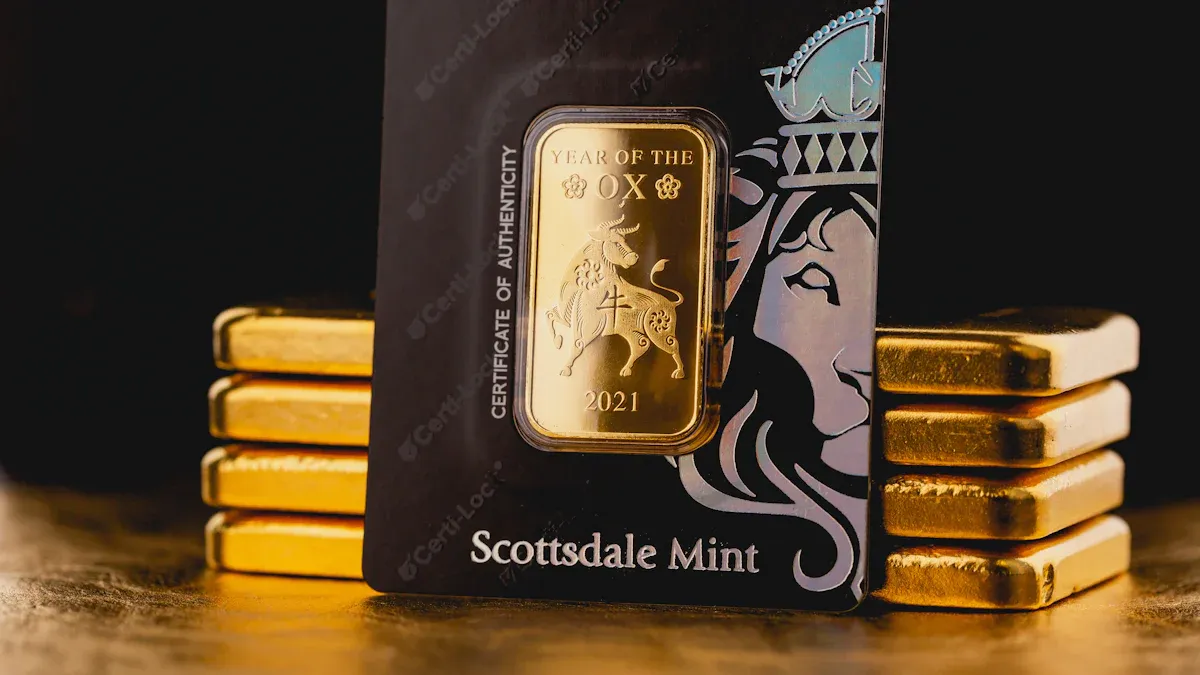
In the global precious metals market, trust is a commodity as valuable as gold itself. However, a deceptive practice known as “Under-Karating” continues to plague the industry, leaving consumers with assets that are worth significantly less than their stamped value. Whether you are a collector, a retail buyer, or someone inheriting family heirlooms, understanding the discrepancy between a hallmark and actual chemical composition is critical.
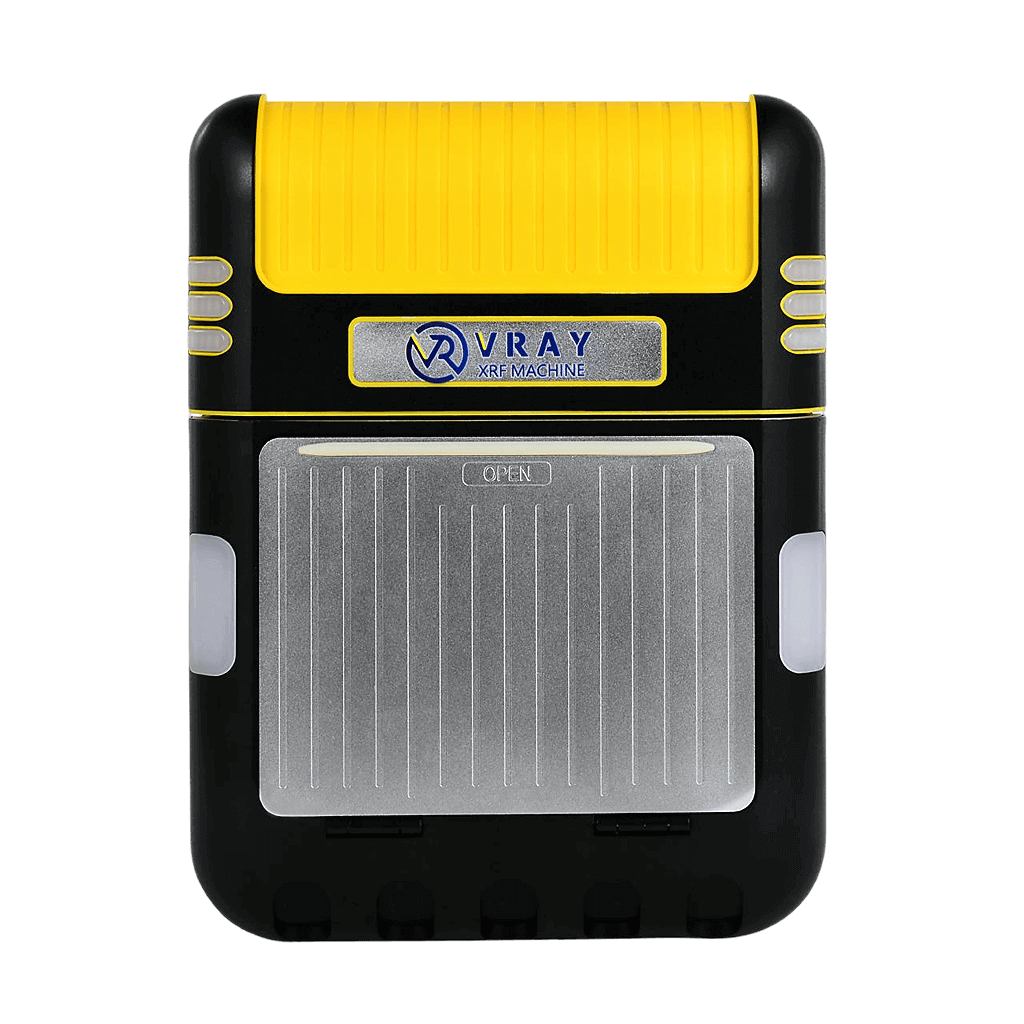
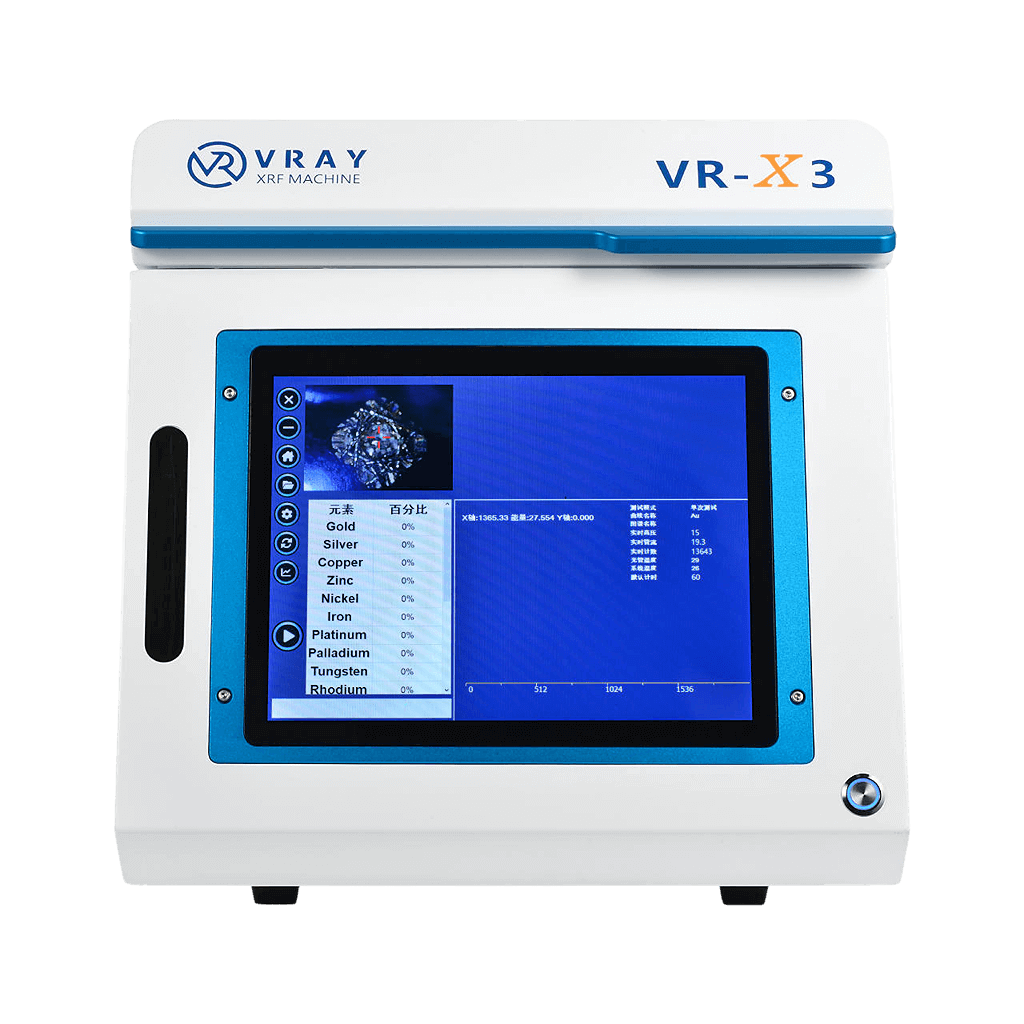
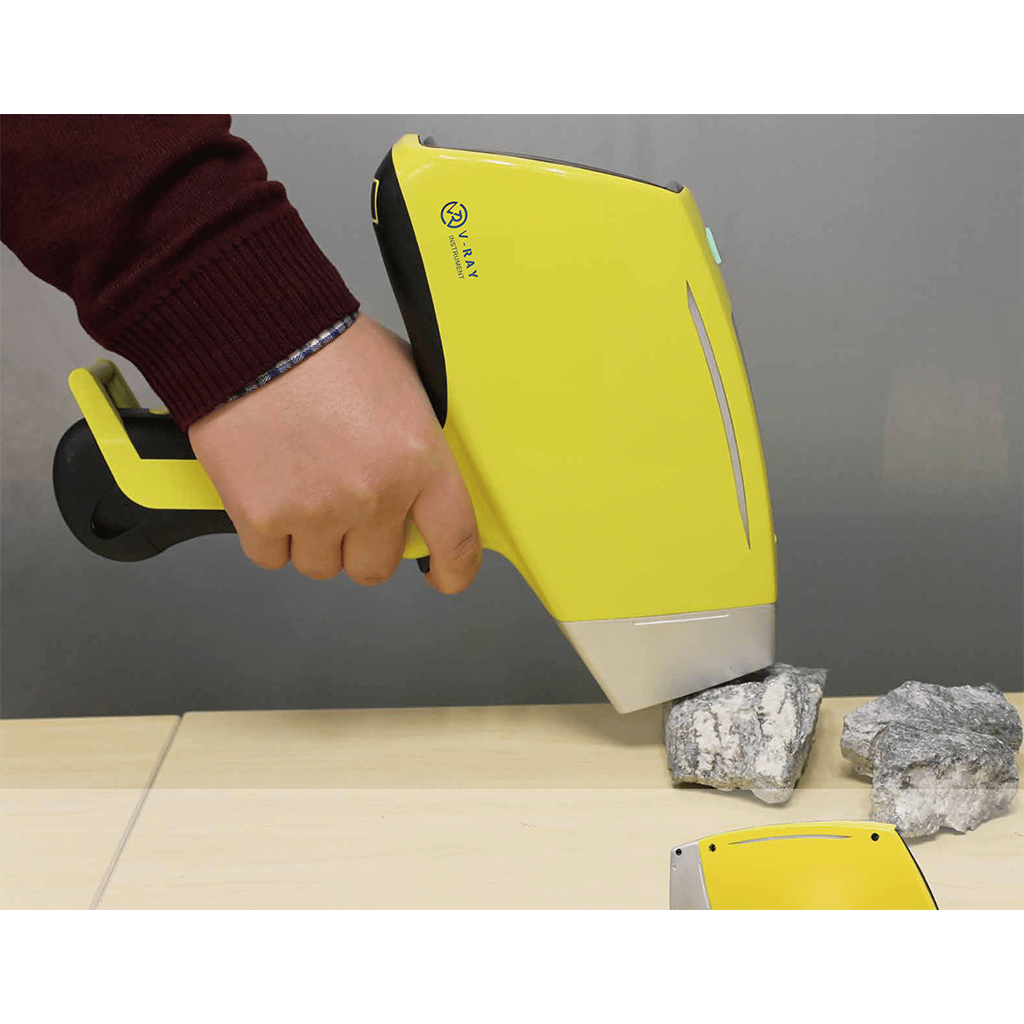
Under-karating occurs when a manufacturer intentionally or accidentally stamps a piece of jewelry with a higher karatage (e.g., 18K) than the actual gold content it contains (e.g., 14K). This fraud not only results in immediate financial loss but also compromises the long-term investment value of the piece. To combat this, professionals utilize high-precision XRF gold analyzers to verify atomic composition without damaging the jewelry.
Key Takeaways
Definition of Fraud: Under-karating is a legal and ethical violation where the stamped hallmark overstates the gold purity.
The “Karat” Standard: Pure gold is 24K; any reduction in this number indicates a higher percentage of base metal alloys like copper, silver, or zinc.
Legal Implications: Acts like the National Gold and Silver Stamping Act mandate strict tolerances; violations can lead to heavy fines and seizures.
XRF is the Solution: Traditional acid tests are destructive and often inaccurate; X-ray Fluorescence (XRF) provides a non-destructive, detailed elemental breakdown.
Consumer Rights: Documented proof from a certified appraiser or a modern purity test is essential for recovering losses from unethical sellers.
Understanding Under-Karating in the Modern Market
The Mechanics of Purity Discrepancy
Gold is naturally soft, requiring the addition of base metals to create durable jewelry. Karatage represents the ratio: 18K gold is 18 parts gold and 6 parts other metals (75% purity). In an under-karating scenario, a manufacturer might produce an alloy that is 60% gold but stamp it as 18K. To the naked eye, the color may be indistinguishable due to the careful balancing of copper and silver in the mix.
This practice is particularly prevalent in high-volume production where shaving off even 2-3% of gold content across thousands of units can result in millions of dollars in illicit profit. For the consumer, this means the “18K” ring they purchased is effectively 14K or less, leading to a hidden loss in intrinsic value.
The Legal and Ethical Fallout
Under-karating is not just a “mistake”—it is often a calculated violation of consumer protection laws. In the United States, the Federal Trade Commission (FTC) provides specific guidelines for the jewelry industry. If a piece is found to be more than a small fraction (usually 0.003 or 3 parts per thousand) below its stamped purity, it is considered legally under-karated.
Consequence Type | Legal and Business Impact |
|---|---|
Civil Penalties | Fines exceeding $5,000 per violation under the FTC Guides. |
Criminal Action | Potential imprisonment for up to one year for systematic fraud. |
Brand Damage | Irreversible loss of consumer trust and potential class-action lawsuits. |
Inventory Forfeiture | Government seizure of all mislabeled goods from retail and wholesale stocks. |
Decoding Gold Hallmarks: A Global Guide
Hallmarks serve as the primary identification for gold purity, yet they are the easiest part of a piece of jewelry to forge. Understanding how to read gold identification marks is the first line of defense against under-karating.
Common Karat Stamps and Purity Levels
Different regions use different systems. While the US often uses “14K” or “18K,” European and international markets often use three-digit “millesimal fineness” marks. A thorough check involves comparing these stamps against a standard gold karat guide.
Karat Stamp | Millesimal Mark | Actual Gold Percentage |
|---|---|---|
9K | 375 | 37.5% |
10K | 417 | 41.7% |
14K | 585 | 58.5% |
18K | 750 | 75.0% |
22K | 916 | 91.6% |
Identifying Counterfeit and Misleading Marks
Fake marks are often applied using stamps that lack precision. Look for inconsistent spacing, blurred edges, or marks that seem too “fresh” compared to the wear of the jewelry. Additionally, be wary of stamps like “HE” (Heavy Electroplate) or “GF” (Gold Filled) that might be placed near a purity stamp to confuse the buyer into thinking they are purchasing solid gold.
Professional Note: A hallmark is a claim, not a fact. Always verify the actual metal content using scientific methods, especially when purchasing from unverified sources or overseas markets.
The Science of Purity Verification: XRF Technology
Why Traditional Methods Fail
For decades, the “Acid Test” was the industry standard. It involves scratching the metal on a touchstone and applying nitric acid. This method has three major flaws: it is destructive (damaging the piece), it only tests the surface (missing gold-plated fakes), and it is subjective (relying on the tester’s eyes to judge color changes). In an under-karating case where the discrepancy is only 2-3%, an acid test is simply not sensitive enough to detect the fraud.
The XRF Advantage: Precision and Safety
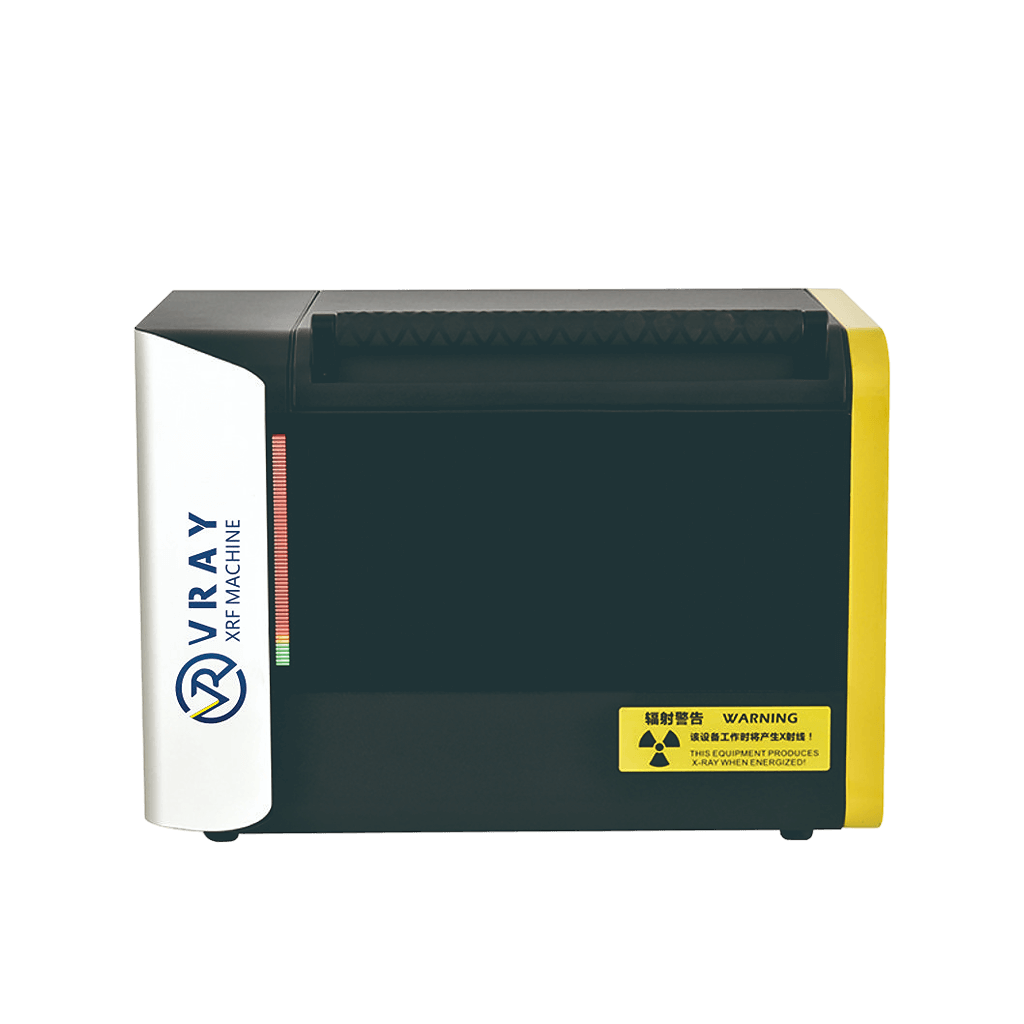
X-ray Fluorescence (XRF) analyzers have revolutionized gold identification. When the device scans an item, it emits a primary X-ray beam that displaces electrons in the metal’s atoms. As the atoms stabilize, they emit unique energy signatures. The analyzer measures these signatures to provide a complete percentage-based breakdown of every metal present.
Non-Destructive: No scratching, no acids, no heat. The jewelry remains in original condition.
Extreme Accuracy: Modern XRF devices from VRAY Instrument can detect purity variations with an accuracy of ±0.01%.
Detects Hidden Metals: Instantly identifies if a piece has been alloyed with prohibited metals like cadmium or lead, or filled with tungsten.
Instant Reports: Results are generated in seconds, providing a “digital birth certificate” for the gold’s purity.
Steps to Take If You Suspect Under-Karating
If you have purchased gold that you believe does not meet its stamped karatage, follow these professional steps to protect your investment:
Professional Verification: Take the item to a reputable lab or a shop equipped with an XRF analyzer. Request a formal report showing the elemental composition.
Review Purchase Documentation: Ensure you have the original receipt, appraisal, and any marketing materials that claimed a specific karat level.
Contact the Seller: Present the XRF evidence to the jeweler. Legitimate businesses will often offer a refund or exchange to avoid legal repercussions.
Escalate if Necessary: If the seller is uncooperative, report the finding to the Jewelers Vigilance Committee (JVC) or your local consumer protection agency.
Legal Action: For high-value assets, consult an attorney regarding a breach of contract or fraud claim.
VRAY Advice: When buying high-value jewelry, ask the jeweler: “Do you verify your stock with XRF technology?” A jeweler who invests in advanced testing is a jeweler you can trust.
FAQ
How can I tell if gold is under-karated at home?
At-home tests like the magnet test or vinegar test can spot obvious fakes (e.g., gold-plated steel), but they cannot distinguish between 14K and 18K gold. Accurate karat identification requires professional tools like XRF analyzers or fire assay.
Is under-karating common in white gold?
Yes. Because white gold is an alloy of gold and white metals (like nickel or palladium) and is often rhodium-plated, it is easier to hide a lower gold content beneath the bright rhodium finish.
Does an XRF analyzer damage the rhodium plating on jewelry?
No. XRF technology is completely non-invasive. It uses light-spectrum analysis that does not interact physically with the surface plating or the underlying metal.
What is the minimum karat allowed to be called “gold”?
This varies by country. In the US, the minimum is 10K. In the UK and parts of Europe, 9K is the legal minimum. Anything below these thresholds cannot be legally marketed as “gold” jewelry.
For more technical insights into precious metal analysis and non-destructive testing, visit our expert resource center.