











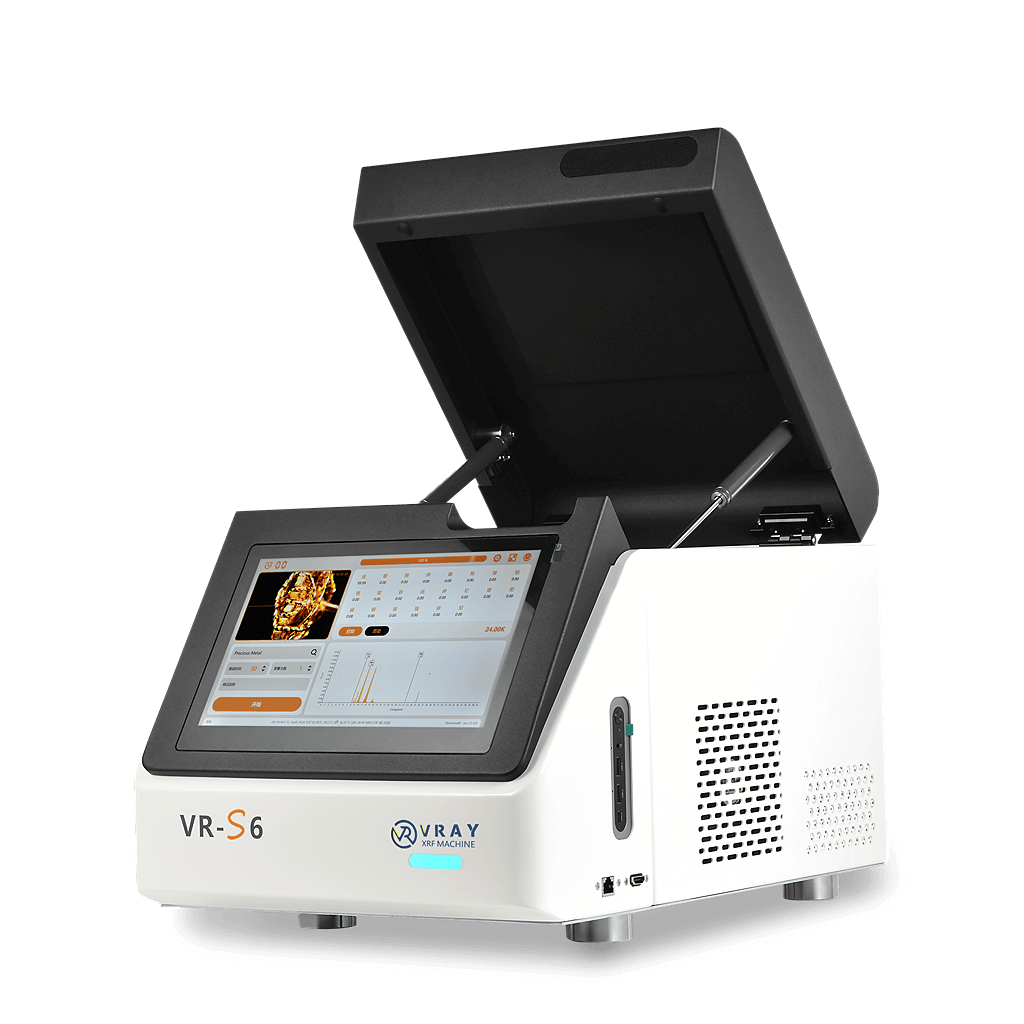

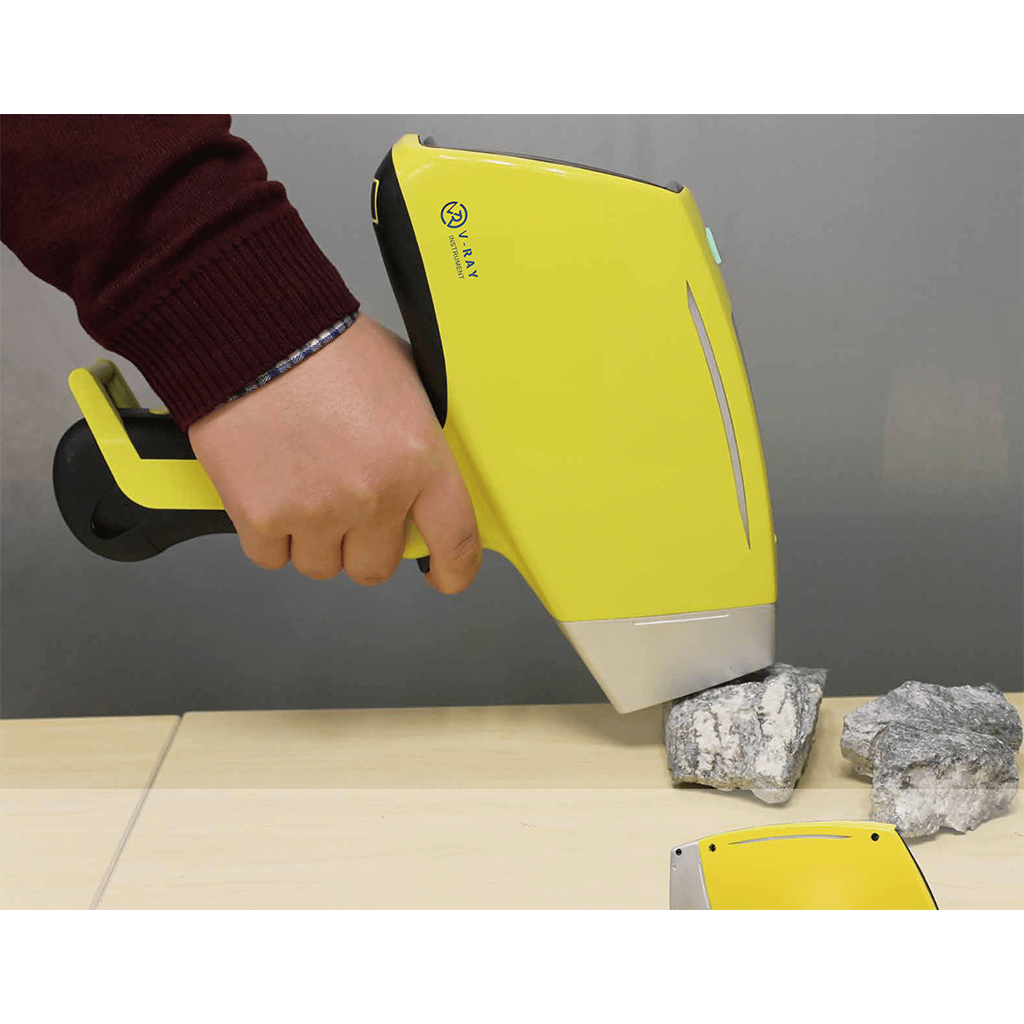


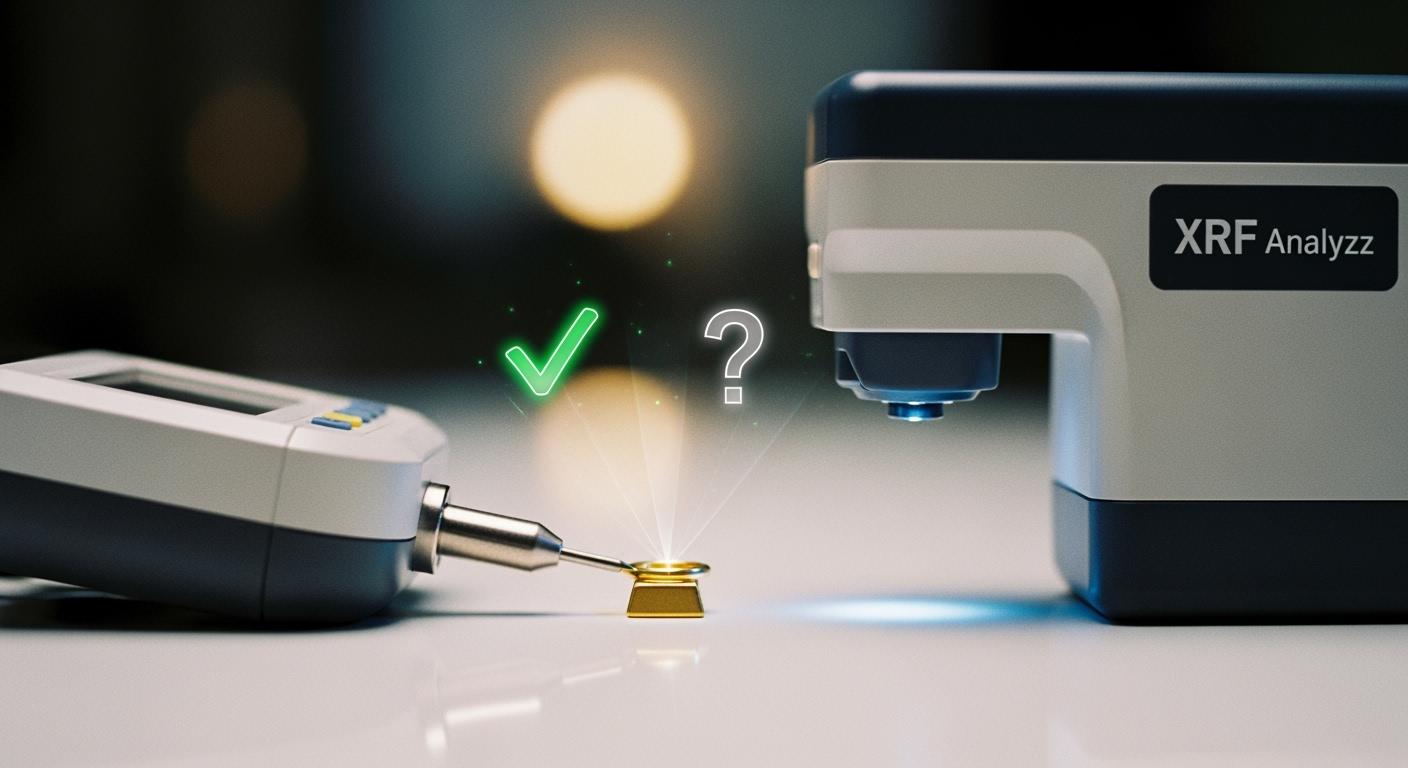
In the high-stakes precious metals market, the difference between a profitable acquisition and a catastrophic loss often boils down to the precision of your analysis. As gold prices reach record highs, the market has seen an influx of sophisticated counterfeits, ranging from heavy-plated jewelry to tungsten-filled bullion. For professional jewelers, pawn shops, and refiners, the choice of testing equipment—specifically the battle between conductivity-based electronic gold testers and high-end XRF gold analyzers—is a critical business decision. This guide explores the metallurgical science, precision limits, and operational realities of both technologies.
Key Takeaways
Scientific Supremacy: XRF utilizes atomic spectroscopy to provide a 99.9% accurate metallurgical “recipe,” whereas electronic testers estimate karatage based on surface conductivity.
Detection Depth: Electronic testers are strictly surface-level tools; XRF can penetrate thin plating to identify the elemental fingerprint of the underlying material.
Vielseitigkeit: XRF identifies every element in an alloy (Silver, Copper, Nickel, Zinc, Palladium), while electronic testers typically offer a single “Karat” estimate.
Risk Mitigation: For high-value transactions over $1,000, XRF is the only industry-standard method to guarantee authenticity and fair pricing.
Non-Destructive Nature: Both methods are non-invasive, but XRF provides a digital “birth certificate” for the asset, significantly increasing resale trust.
The Science of Conductivity vs. Spectroscopy
How Electronic Gold Testers Work
Entry-level electronic testers operate on the principle of electrical conductivity and electrochemical potential. The device typically uses a probe and a specialized gel or liquid to complete an electrical circuit with the metal. Since different karats of gold (10K, 14K, 18K) mixed with different alloys have varying resistance levels, the device maps the conductivity to a pre-set Karat scale.
However, this method faces severe metallurgical challenges. Counterfeiters can easily manipulate the conductivity of a base-metal alloy by mixing copper and zinc to match the “electrical signature” of 14K gold. Furthermore, electronic testers are highly sensitive to surface contamination, moisture, and the “skin effect,” where the current only flows through the outermost layer of the metal.
How X-ray Fluorescence (XRF) Works
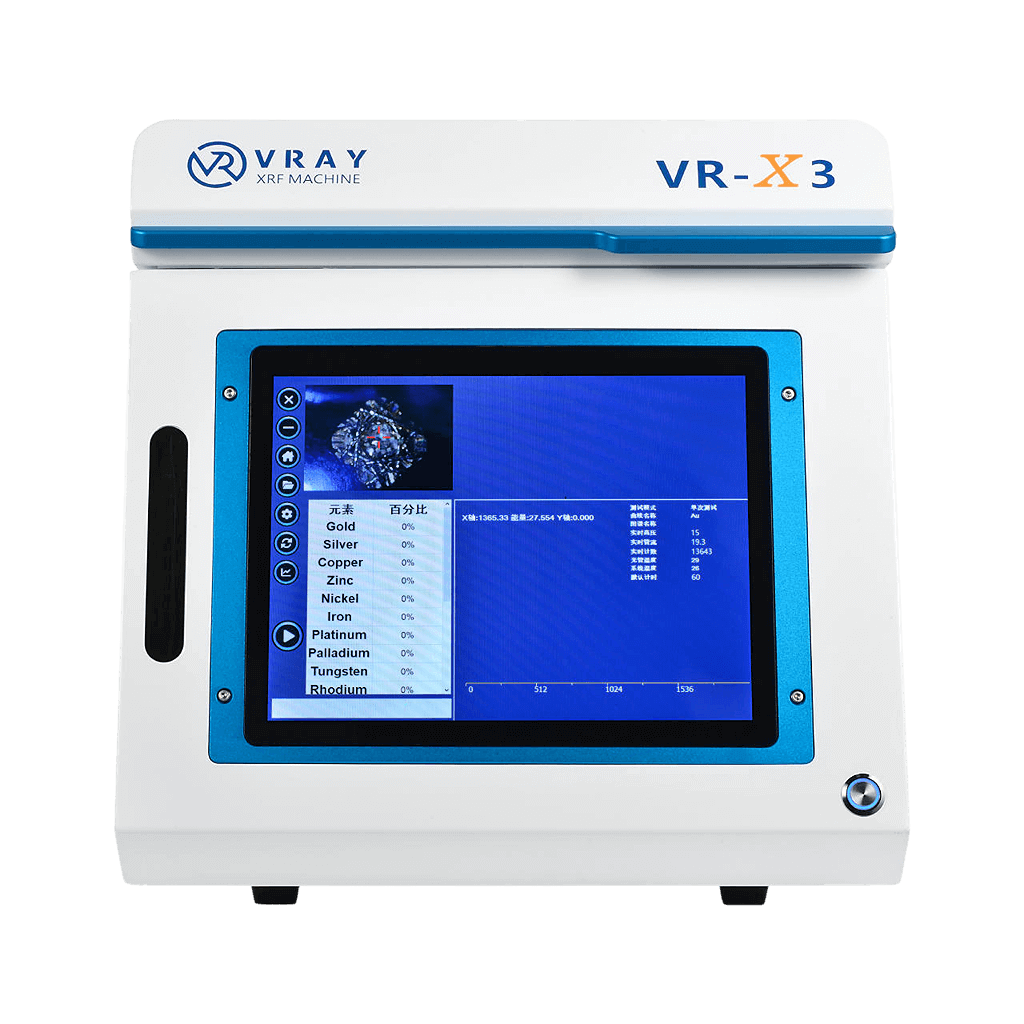
XRF technology operates at the atomic level. An X-ray tube inside the analyzer emits high-energy primary X-rays that strike the gold atoms, ejecting electrons from their inner shells. As outer-shell electrons drop down to fill these vacancies, they emit secondary “fluorescent” X-rays unique to each specific element. By measuring the energy and intensity of these X-rays, a high-precision XRF spectrometer identifies exactly which metals are present and in what percentages.
Feature | Electronic Gold Tester | XRF Gold Analyzer |
|---|---|---|
Analytical Principle | Electrical Conductivity (Surface) | Atomic Fluorescence (Bulk/Surface) |
Accuracy Range | +/- 1 to 2 Karats | +/- 0.01% to 0.1% Purity |
Element Identification | No (Karat estimate only) | Yes (Ag, Cu, Ni, Zn, Pd, Pt, etc.) |
Plating Detection | Poor (Easily fooled) | Excellent (Spectral attenuation) |
Setup Time | Instant | 10-second scan |
Real-World Accuracy and “The Tungsten Threat”
The most dangerous threat in the gold industry today is tungsten. With a density of 19.25 g/cm3—nearly identical to gold’s 19.30 g/cm3—tungsten-filled bars pass weight and volume tests. Because tungsten is not a highly conductive metal in the same way as gold, it can sometimes be flagged by advanced electronic testers, but a thick gold plate (20+ microns) will insulate the tungsten core, allowing it to pass as solid gold.
An accurate XRF machine solves this by analyzing the characteristic energy peaks. Even if it doesn’t penetrate to the very center of a massive bar, the XRF will detect “impurities” on the surface or trace elements that should not exist in a 24K sample, signaling a “Red Flag” for further ultrasonic testing. This elemental footprinting is impossible for conductivity-based tools.
Reliability and Consistency Challenges
Repeatability in High-Volume Operations
For a business owner, repeatability is as important as accuracy. If you test the same ring three times, you should get the same result. Electronic testers often struggle with this due to the depletion of the testing liquid or the oxidation of the probe tip. Environmental factors like humidity can change the conductivity of the electrolyte gel, leading to fluctuating readings.
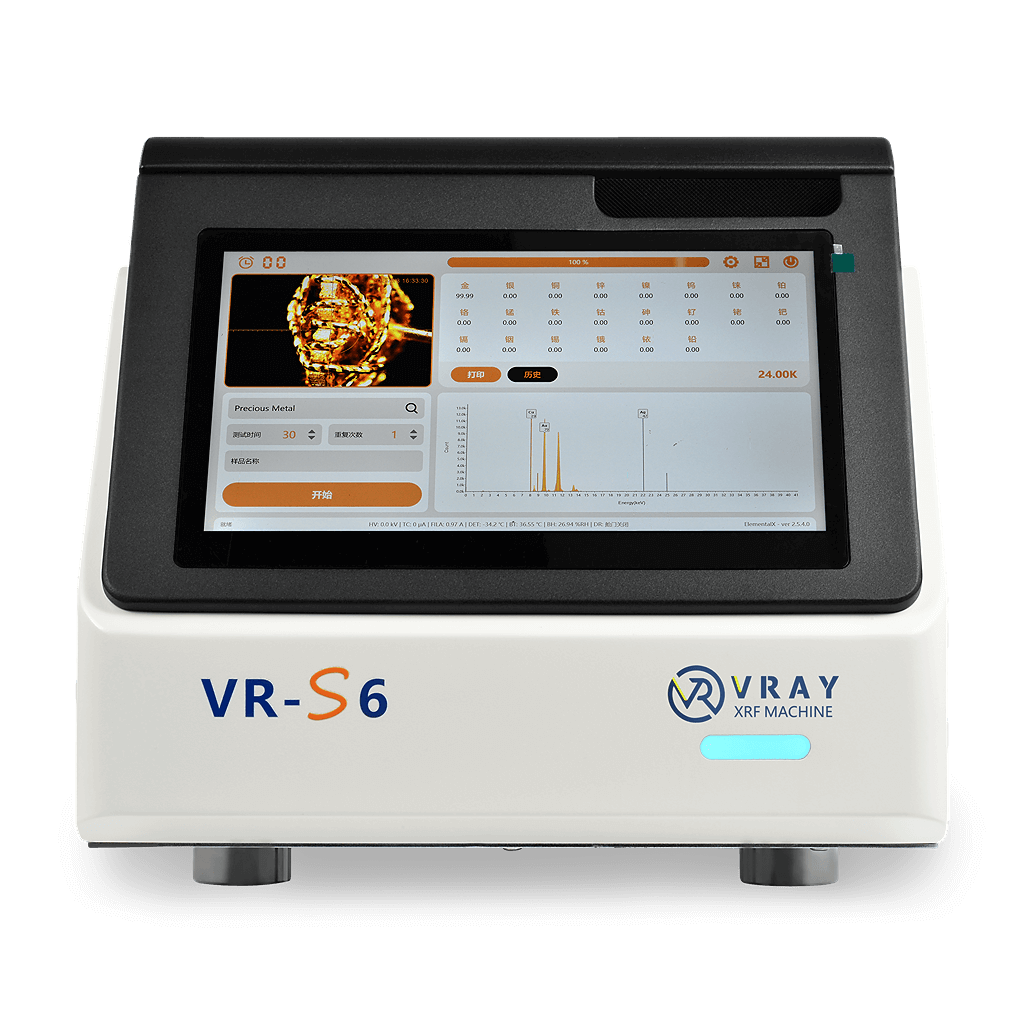
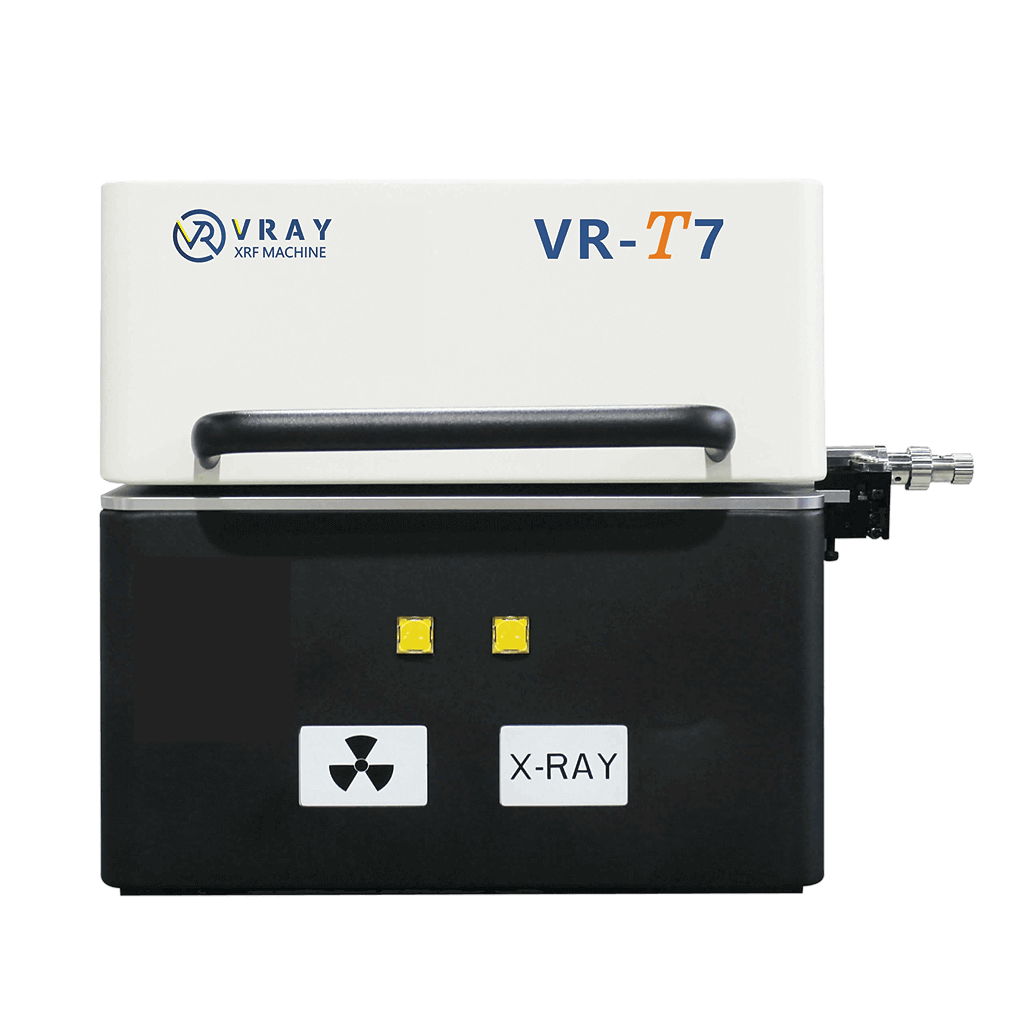
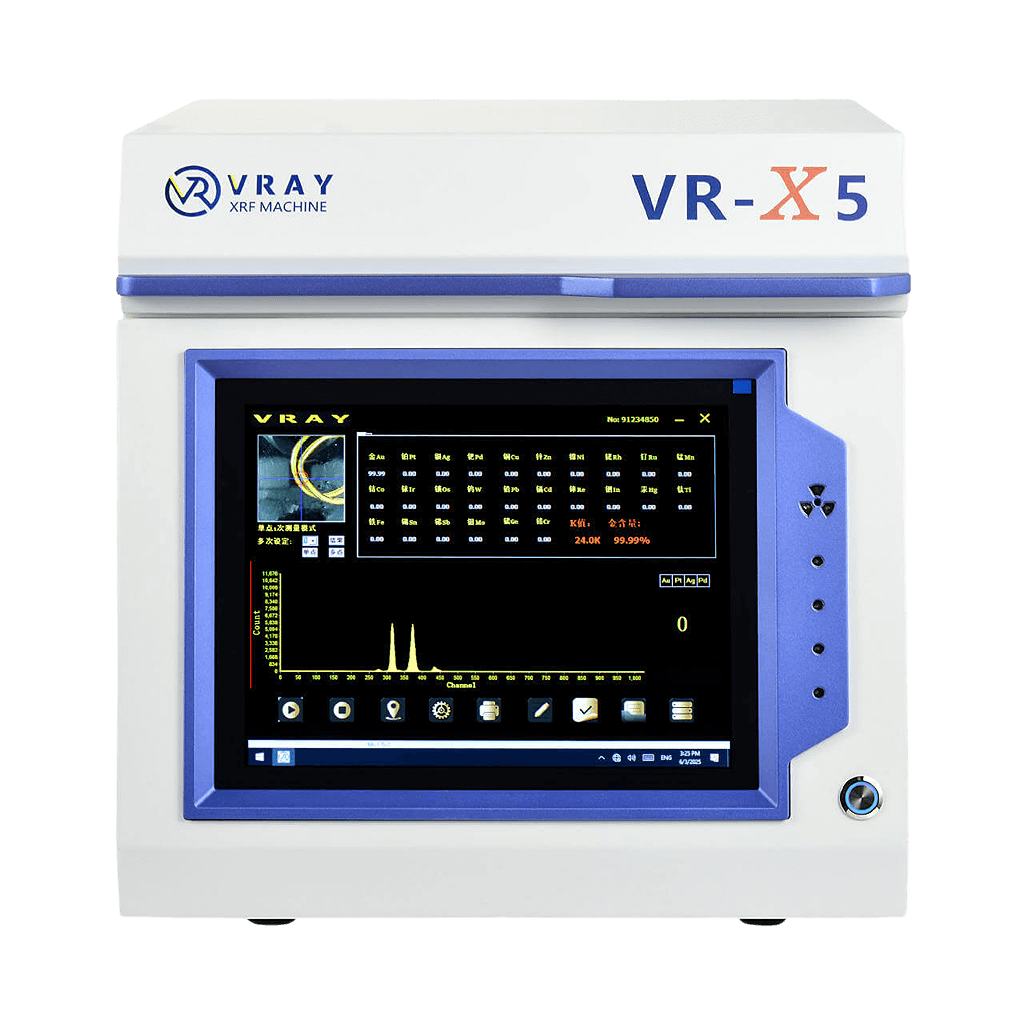
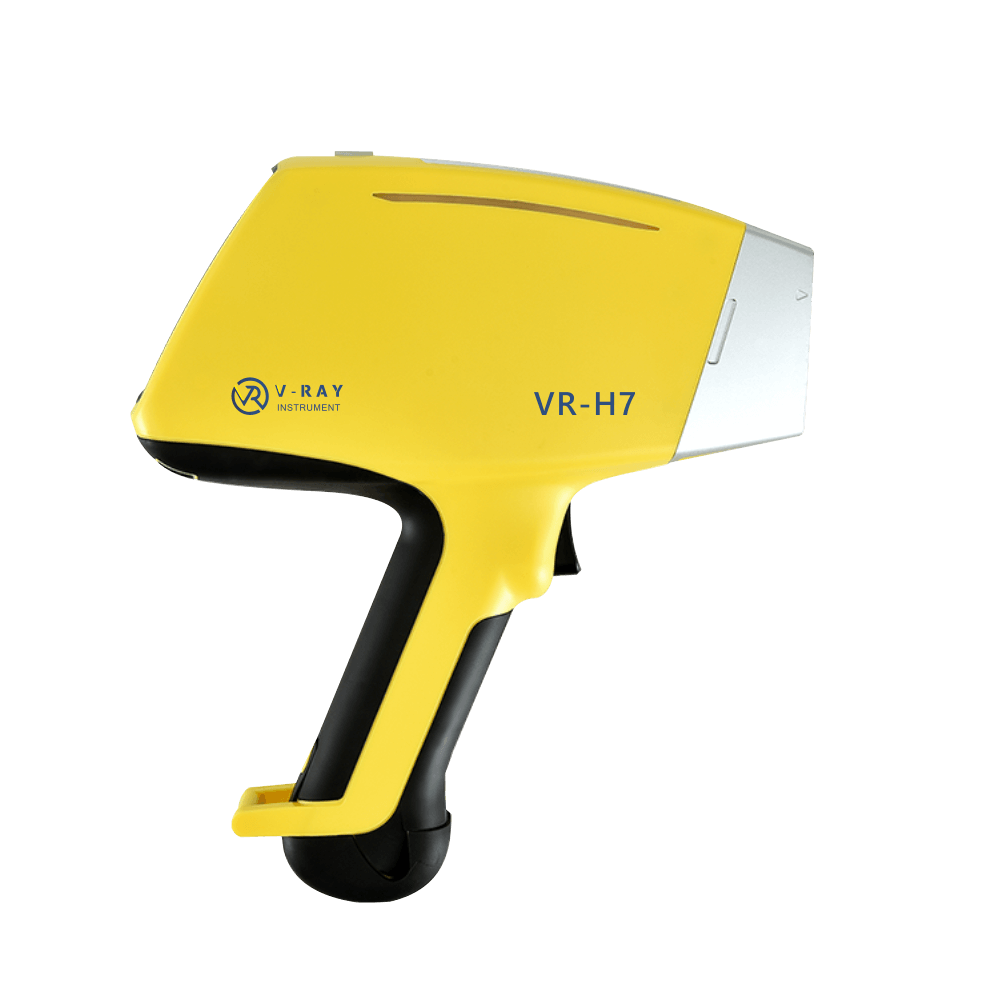
XRF analyzers from VRAY Instrument utilize Silicon Drift Detectors (SDD) to ensure that the spectral signal is stabilized against temperature and humidity. When best practices are followed—such as cleaning the sample with alcohol to remove oils—XRF provides consistent, lab-grade results every time. This consistency builds trust between the jeweler and the customer, which is the foundation of high-value transactions.
“An electronic tester is a screening tool; an XRF analyzer is a verification tool. You cannot build a reputable refinery or high-end pawn business on screening alone.”
Total Cost of Ownership and Accessibility
When choosing between these methods, businesses must consider the total investment profile. While electronic testers are significantly cheaper upfront, their inaccuracy can cost thousands in “melt loss” or missed fraud.
User Category | Recommended Tool | Investment Range | Business Impact |
|---|---|---|---|
Hobbyist / Small Collector | Electronic Pen/Gel Tester | $200 – $800 | Basic screening for personal use. |
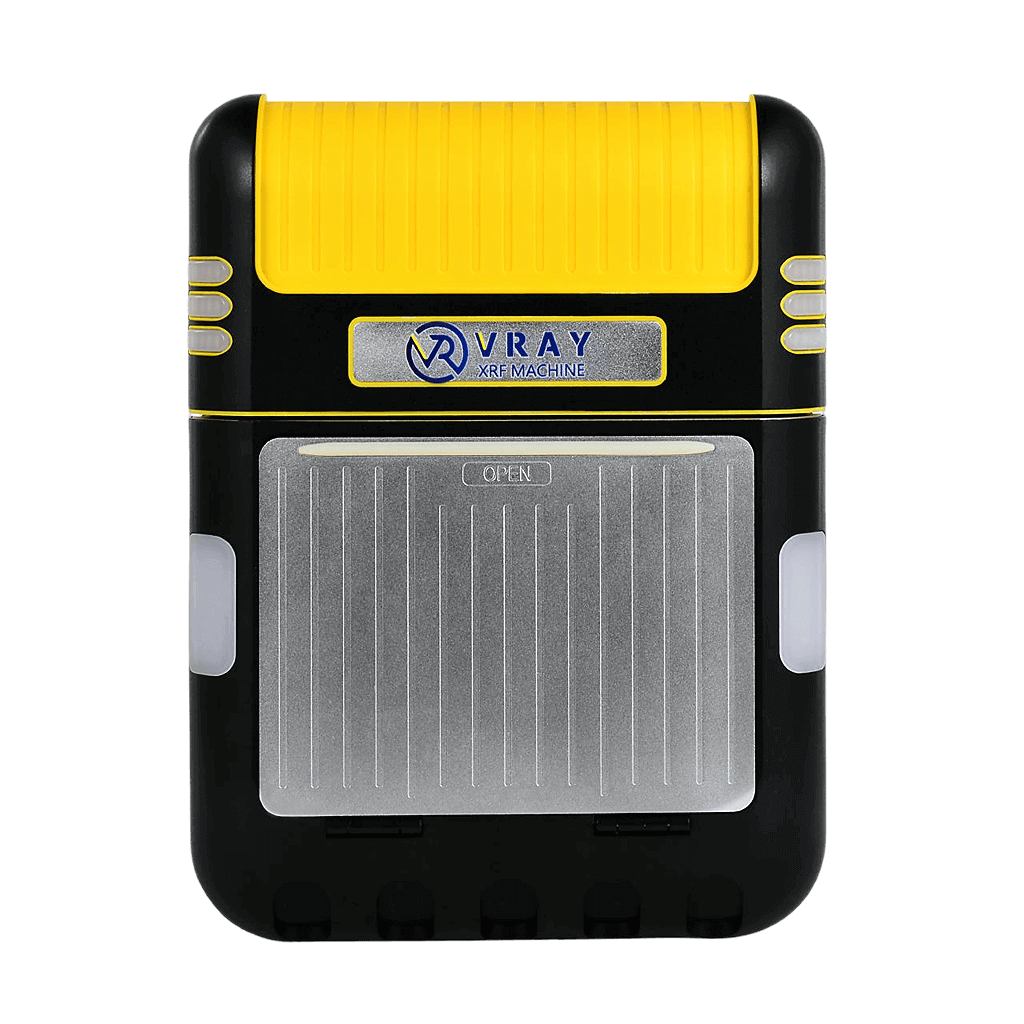
Small Pawn Shop | Entry-level Handheld XRF | $3,000 – $6,000 | Prevents common plated jewelry scams. |
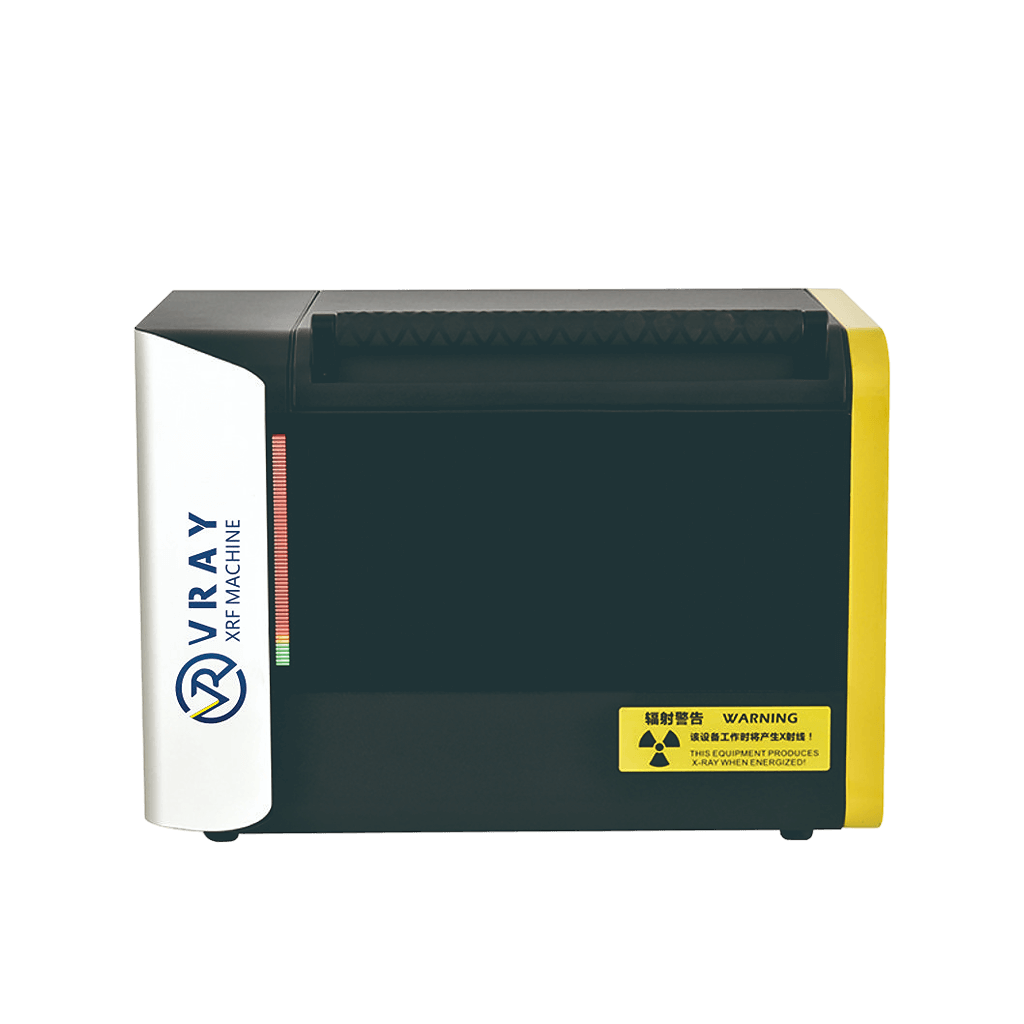
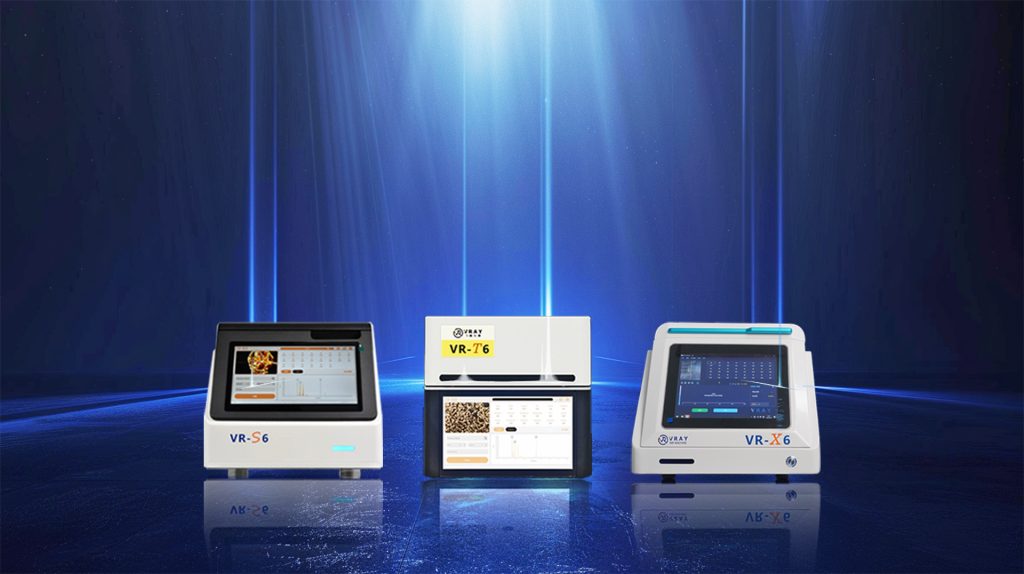
Professional Jeweler / Lab | High-Precision Benchtop XRF | $8,000 – $18,000 | Lab-grade reports for insurance/resale. |
Industrial Refiner | Customized XRF / SDD System | $20,000+ | Maximum throughput and elemental tracing. |
Operational Efficiency: Speed and Human Factors
In a busy retail setting, speed is profit. Electronic testers are relatively fast, but they require manual interpretation of a scale or a “beep.” If the probe isn’t making perfect contact, the result is skewed. XRF analyzers streamline this process. With an automated chamber and a simple “Pass/Fail” or “Exact Karat” display, even junior staff can perform expert-level valuations without the risk of human error associated with reading analog scales or chemical color changes.
How to Choose: A Checklist for Success
Before purchasing your next gold verifier, consider these criteria to ensure you match the tool to your business volume:
Typical Transaction Value: If you regularly handle items over $1,000, the ROI of an XRF analyzer is often achieved in under 12 months.
Alloy Complexity: Do you buy white gold or dental gold? Electronic testers are notorious for misidentifying Palladium-based white gold as “Fake.” XRF handles these alloys effortlessly.
Plating Volume: If you buy scrap jewelry, you will encounter heavy plating. XRF’s ability to analyze spectral intensity ratios is your best defense.
Certification Requirements: Do you need to provide customers with a professional report? VRAY XRF devices generate instant, printable certificates of analysis.
Frequently Asked Questions
Can electronic gold testers detect tungsten?
Usually not. Tungsten’s density is perfect for fooling scales, and its electrical properties can be masked by a thick enough gold plate. XRF is far superior for identifying the trace atomic signature of tungsten cores.
Does XRF testing require special licensing?
This varies by region. In many jurisdictions, handheld XRF devices require a simple registration or a basic radiation safety certificate. Modern VRAY analyzers are fully shielded and safe for daily indoor use.
Is the liquid in electronic testers harmful?
Most electronic gold testers use a salt-based electrolyte gel that is relatively safe, but traditional acid testers use nitric acid, which is highly corrosive. XRF eliminates all chemical hazards entirely.
How often should I calibrate my XRF gold tester?
For professional results, we recommend a simple “standardization check” using a 24K reference sample at the start of every business day. This takes less than 30 seconds and ensures peak accuracy.