
















In the high-stakes precious metals industry, an authenticity dispute is more than a simple disagreement—it is a critical test of a business’s operational integrity. When a client is presented with evidence that their gold asset is counterfeit or under-karated, the reaction is often one of defensive denial. This psychological friction stems from a fear of financial loss, reputational damage, or the realization that they have been victims of fraud themselves.
Resolving these challenges requires a delicate balance of emotional intelligence and indisputable scientific proof. By shifting the focus from subjective opinion to objective, non-destructive analysis via precision XRF technology, appraisers can transform a potentially volatile confrontation into a professional consultation. This guide outlines the essential protocols for handling these disputes with transparency and technical authority.
Key Takeaways
Professional Composure: Maintain a neutral, non-accusatory tone to de-escalate emotional volatility.
Scientific Arbitrator: Use X-ray Fluorescence (XRF) as the ultimate “objective witness” to provide doubt-free assurance.
Metallurgical Education: Inform the client about common fraud techniques, such as thick-plated tungsten, to shift blame away from them and toward the manufacturer.
Strict Documentation: Create a comprehensive audit trail including digital element reports and high-resolution imaging.
Procedural Transparency: Invite the client to observe the testing process in real-time to eliminate suspicion of tampering.
Managing the Psychology of Denial
Authenticity disputes often trigger “loss aversion,” a psychological phenomenon where the pain of losing a valuable asset is twice as powerful as the joy of gaining one. A customer may have inherited a piece or purchased it from a source they considered “trusted,” making your findings a direct challenge to their judgment or history.
Maintaining Professional Composure
In these scenarios, the appraiser must act as a neutral investigator. Avoid phrases that imply the customer is at fault, such as “Your gold is fake.” Instead, use metallurgical language: “The analysis shows a non-standard elemental composition.” By pausing before responding and maintaining a composed demeanor, you reassure the client that the evaluation is based on rigorous data rather than personal bias.
Empathy as a Bridge to Trust
Acknowledge the client’s perspective without compromising your findings. A professional can state, “I understand this is unexpected news, especially given the history of this piece.” This validates their feelings while keeping the focus on the scientific reality. Offering to explain the testing process step-by-step further demonstrates respect for the client’s position.
Objective Testing: The Science of Certainty
To move beyond a “he-said, she-said” stalemate, you must leverage technologies that provide doubt-free assurance. Subjective methods, such as visual inspection or touchstone acid testing, are increasingly insufficient in an era of advanced counterfeiting.
Elemental Analysis via XRF
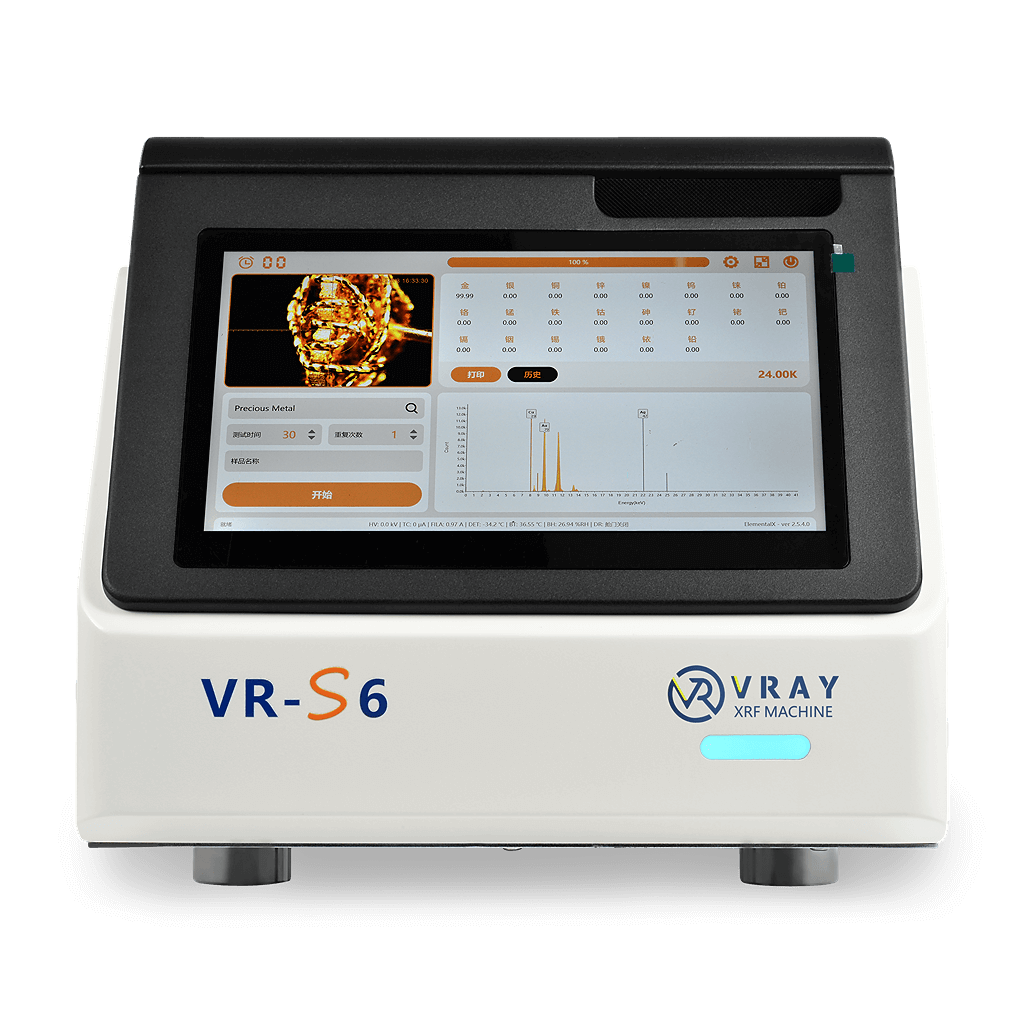
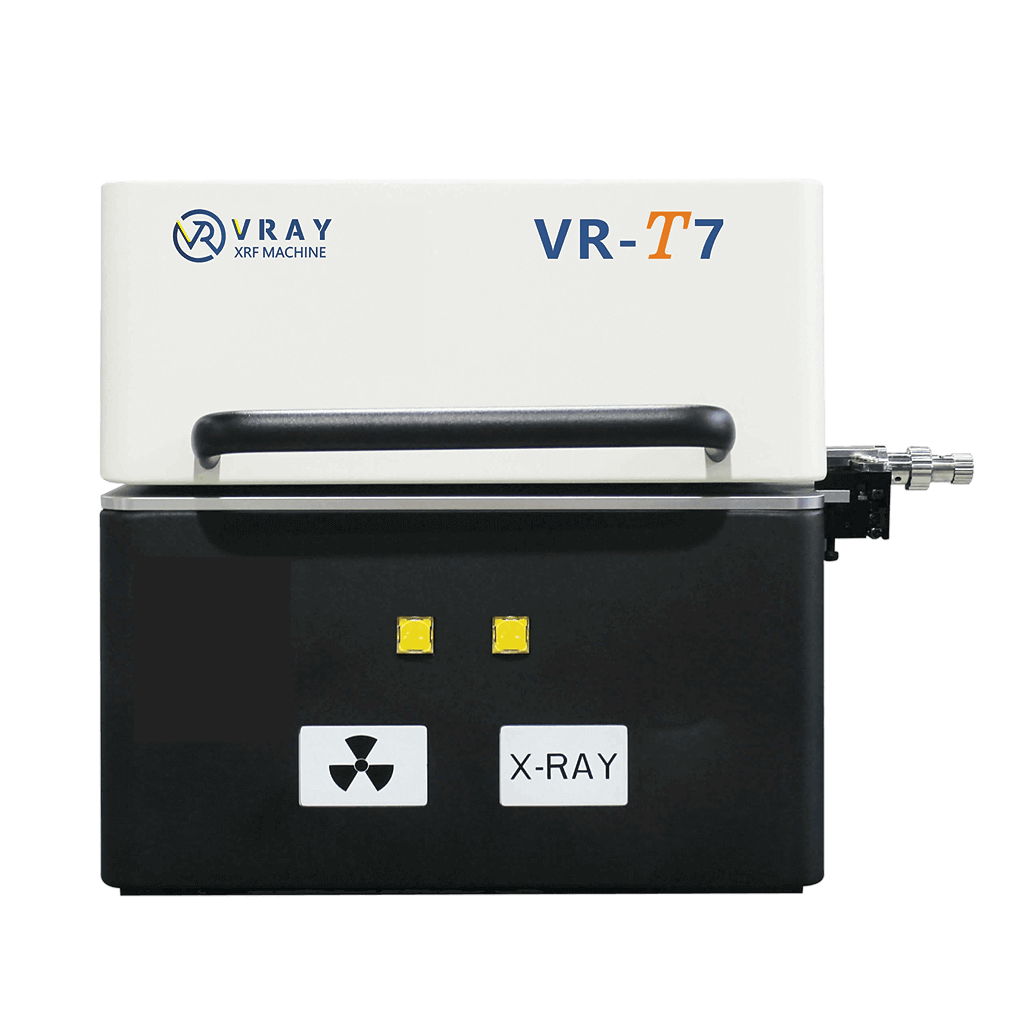
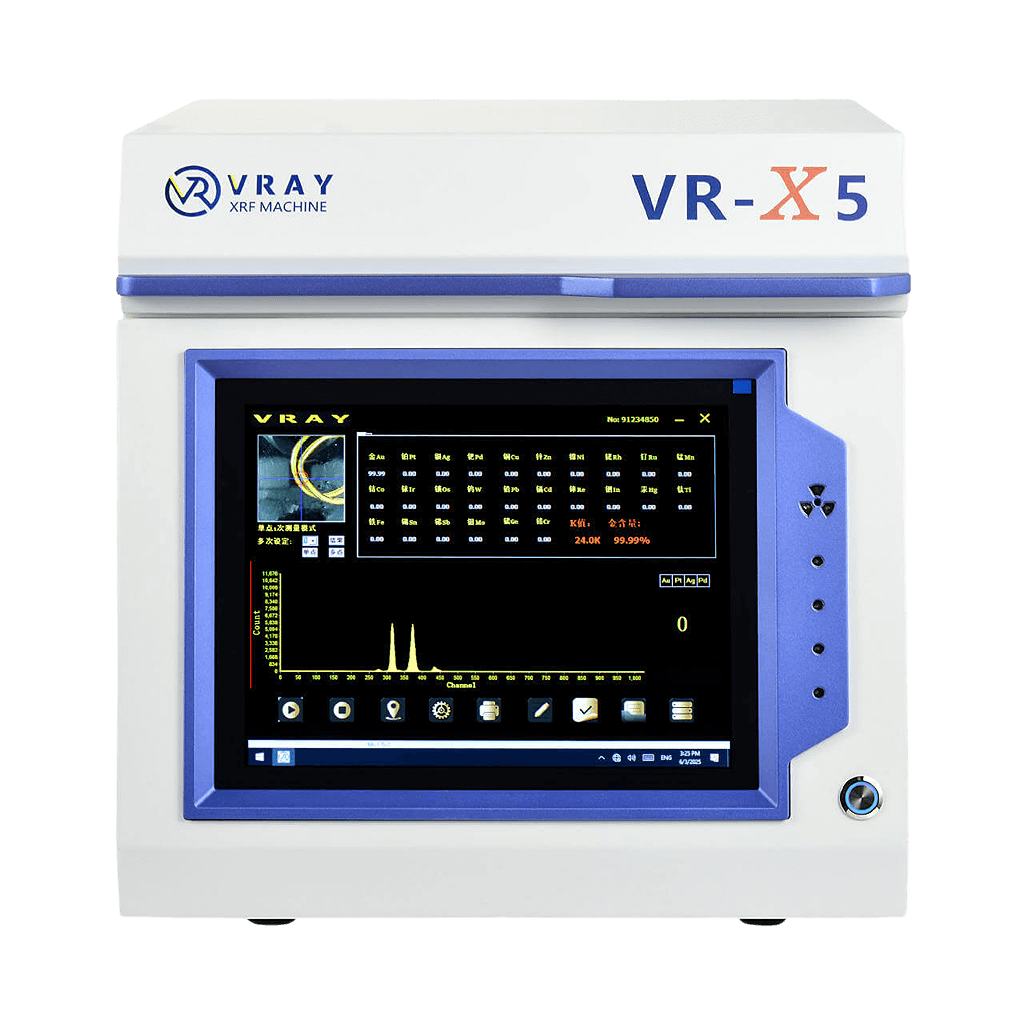
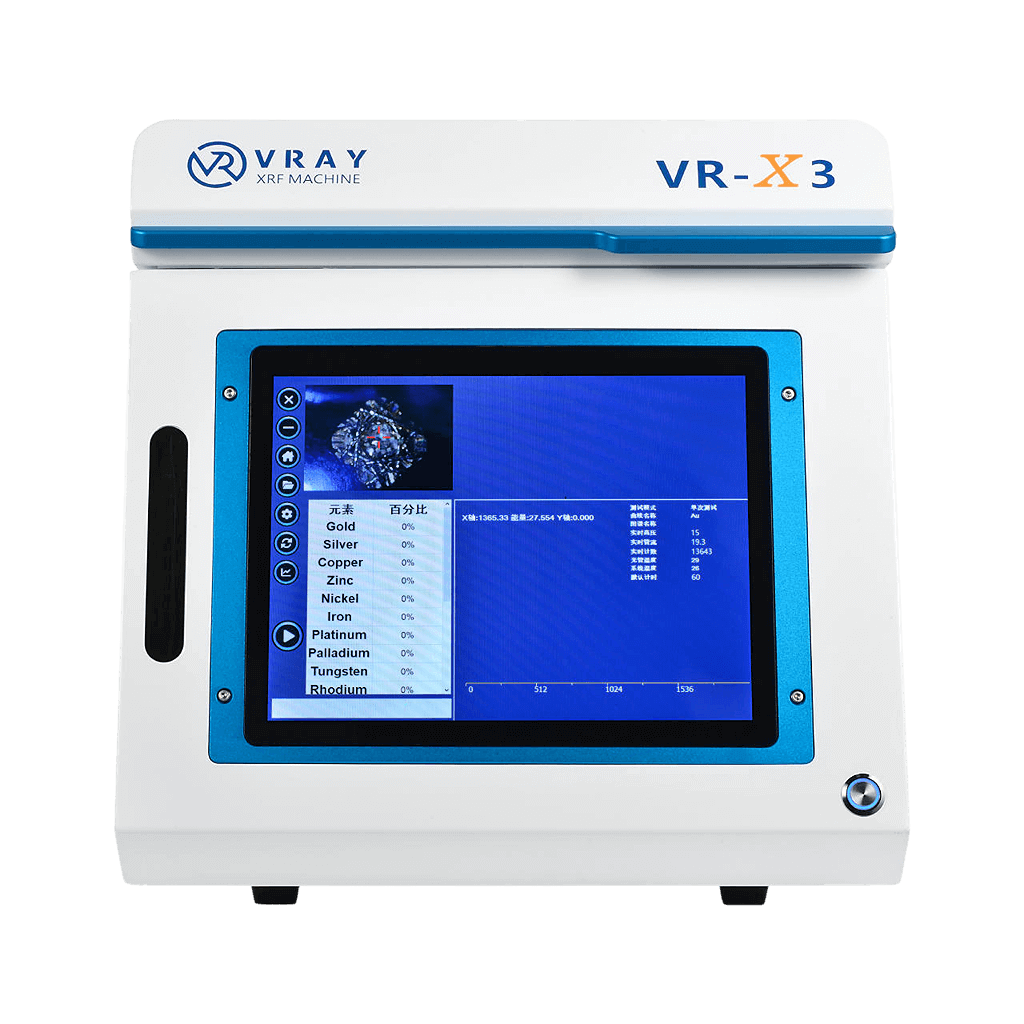
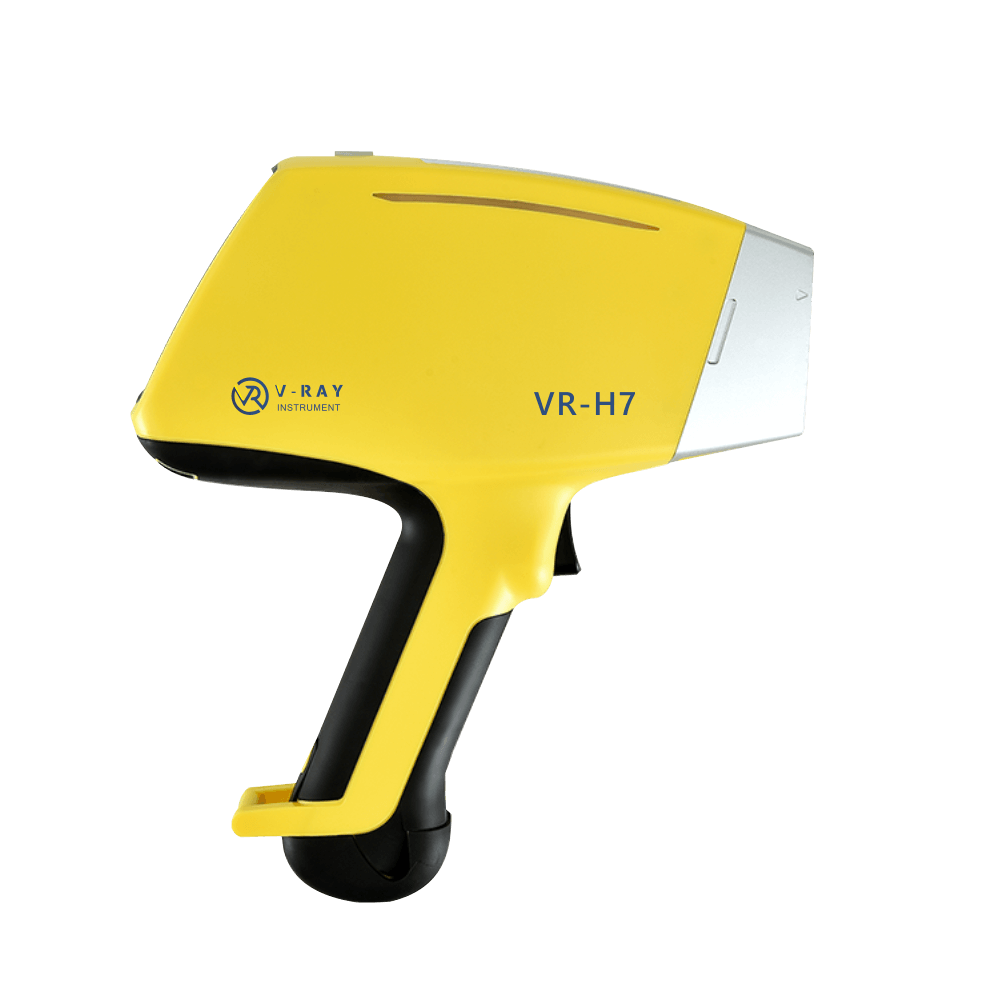
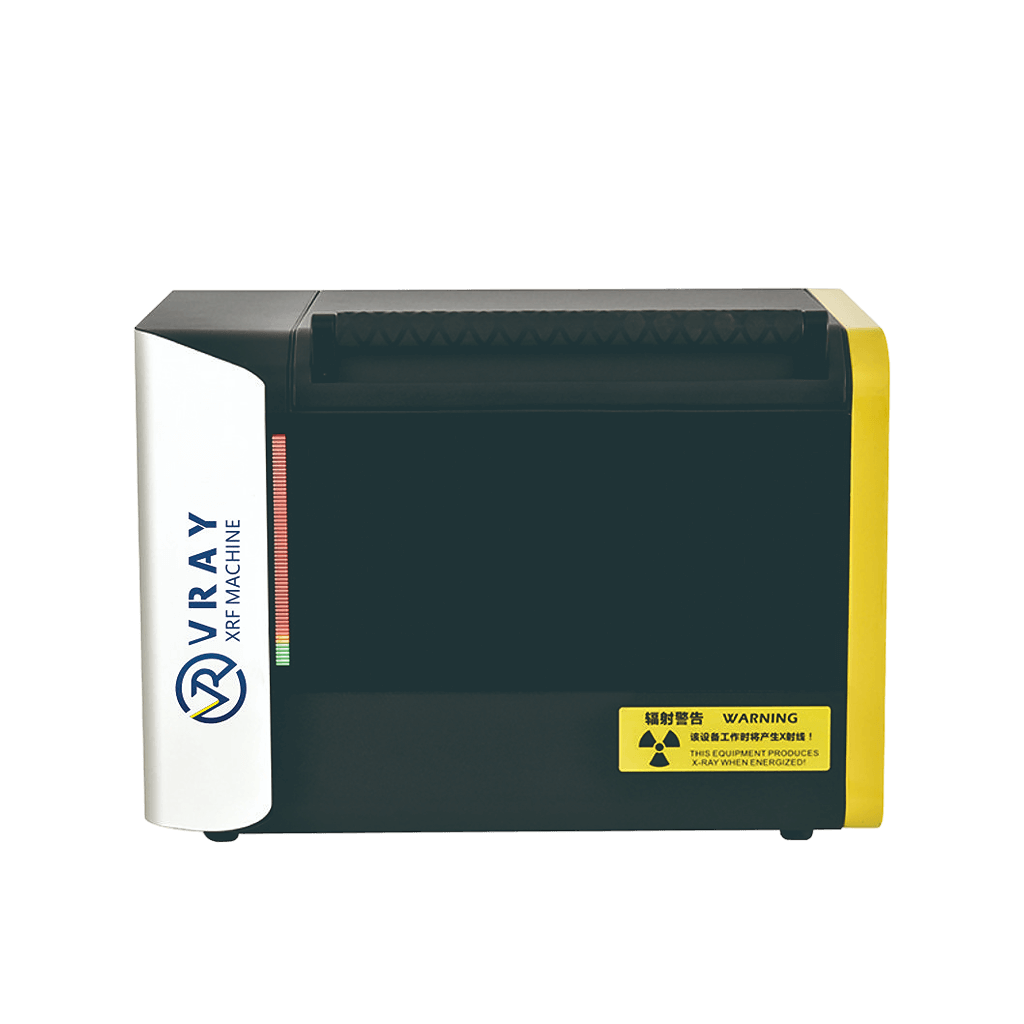
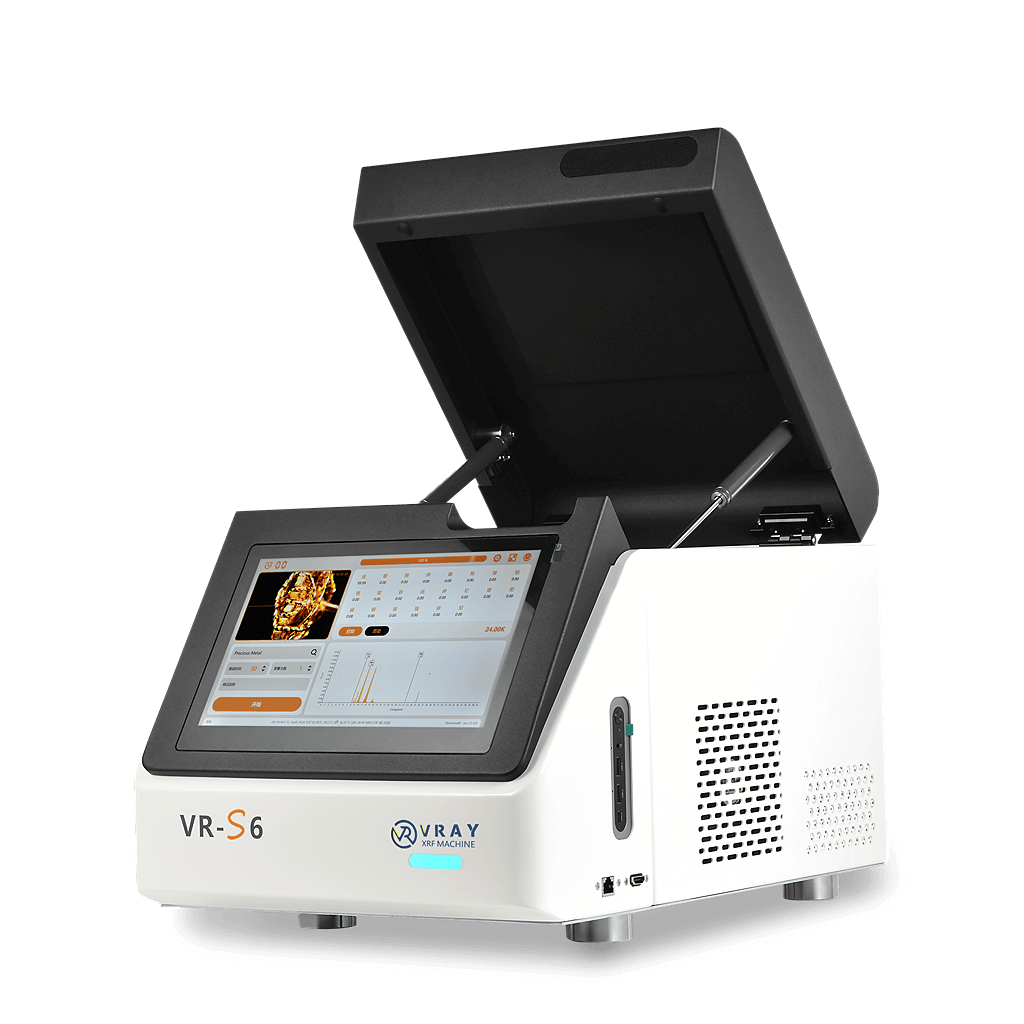
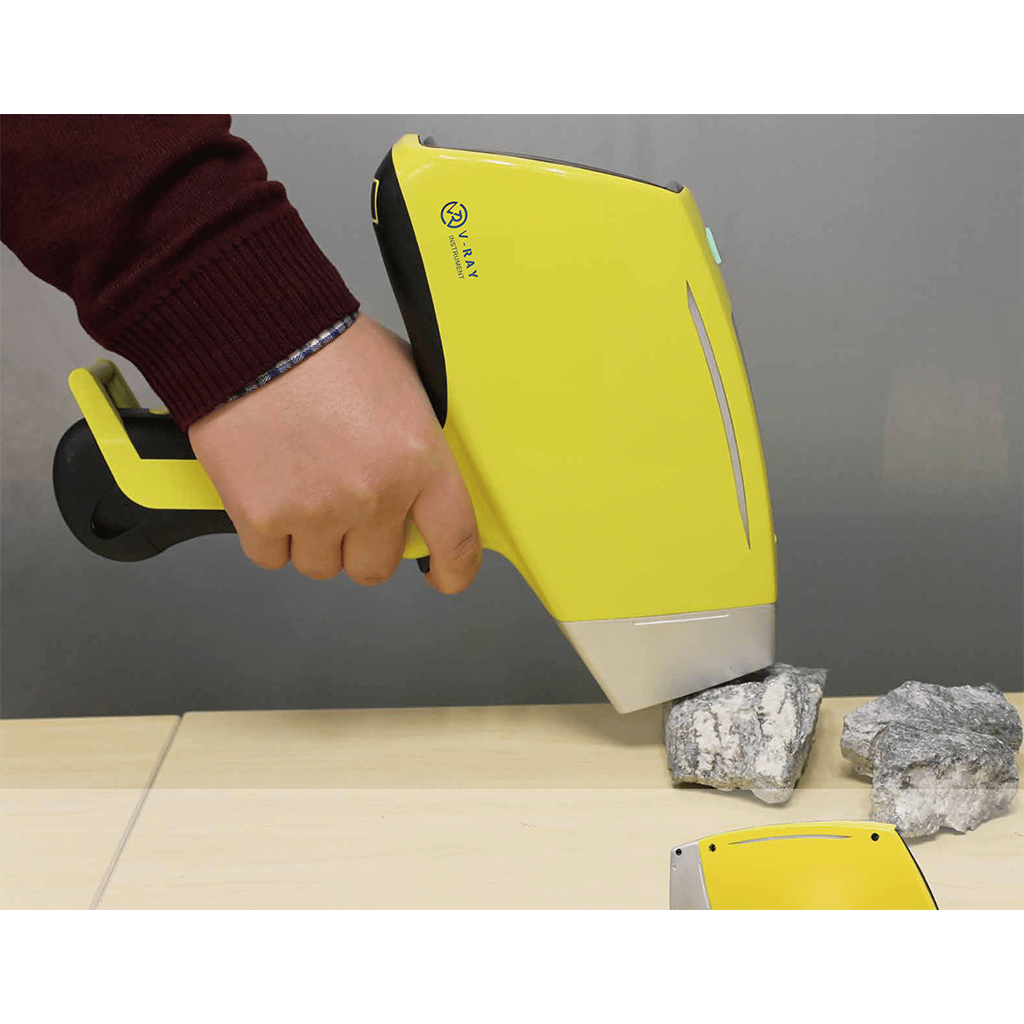
X-ray Fluorescence (XRF) is the gold standard for non-destructive testing. An XRF analyzer works by bombarding the sample with high-energy X-rays, causing the atoms to emit characteristic secondary X-rays. By measuring these energy signatures, the device provides a full percentage-based breakdown of the alloy. Because the process is non-destructive, the jewelry remains in pristine condition—a crucial factor in maintaining client trust.
Testing Method | Evidence Type | Client Impact |
|---|---|---|
Visual Hallmark Check | Subjective/Circumstantial | Low Trust (Hallmarks are easily forged) |
Acid Scratch Test | Surface-level Chemical | Negative (Damages the jewelry) |
XRF Spectrometry | Atomic elemental breakdown | High Trust (Professional & Non-destructive) |
Quantitative Element Reports
Providing a physical or digital printout of the metallurgical analysis is the most effective way to finalize a dispute. When a client sees that a piece contains 60% copper instead of the required 75% for 18K gold, the argument becomes a matter of mathematics rather than opinion. A professional report from a VRAY spectrometer should include the following data points:
Gold (Au) Percentage: Precise karatage down to two decimal places.
Alloying Metals: Percentages of Silver (Ag), Copper (Cu), Zinc (Zn), and Palladium (Pd).
Trace Contaminants: Identification of prohibited elements like Lead (Pb) or Cadmium (Cd).
Deviation: Comparison against the certified purity standard.
Exposing Sophisticated Counterfeits
Educating the client on the “state of the art” in counterfeiting can help them accept the reality of their item. Counterfeiters now use “Smart Fakes”—materials specifically designed to bypass traditional weight and magnet tests.
Tungsten-Filled Bullion
Tungsten has a density of 19.25 g/cm3, nearly identical to gold’s 19.3 g/cm3. This allows a tungsten-filled bar to pass a simple scale check. By explaining that “this is a high-level forgery designed to deceive even experts,” you remove the personal stigma from the client. Showing them how an XRF scan or an ultrasonic pulse can “see through” the gold shell to the tungsten core provides the technical closure needed to end the dispute.
Metal Type | Standard Composition (18K) | Counterfeit Composition (Typical Fake) |
|---|---|---|
Gold (Au) | 75.0% | < 1% (Plating) |
Copper/Zinc | 25.0% (Alloy) | Balanced to mimic weight |
Tungsten (W) | 0% | 99% (Core) |
Operational Risk Management: Documenting the Process
In the event that a dispute escalates into a legal or regulatory matter, your documentation is your primary defense. Proper record-keeping is a hallmark of a professional precious metal analysis operation.
Audit Trails and Communication Logs
Every authenticity challenge should be logged in a dedicated dispute management system. This includes saving all digital element reports and high-resolution photographs of the item before and during testing. Furthermore, keep an “audit trail” of all communications. If the customer was present during the test, note this in the file. Professional organizations like the LBMA suggest that transparency in sourcing and testing is the only way to ensure long-term market accountability.
Pro Tip: Use “Legal Hold” best practices for data preservation. Never delete the raw spectral data from an XRF scan until the dispute is formally resolved and the statute of limitations for civil claims has passed.
Resolution and Consumer Protection Pathways
If the client remains unsatisfied despite the evidence, provide them with clear options for further recourse. This demonstrates that your business has nothing to hide and operates under fair trade principles.
Secondary Appraisal: Offer a list of independent, certified laboratories that can perform a fire assay (though this is destructive).
Law Enforcement Referral: If the fraud is significant, suggest the client file a report with the FTC or local authorities regarding “Theft by Deception.”
Chargeback Documentation: If the client purchased the item recently via credit card, provide them with the XRF report so they can initiate a chargeback against the original fraudulent seller.
Preventing Future Disputes through Education
Prevention is always more efficient than resolution. Establish transparent testing policies that are visible to every customer upon entry. When clients are educated on the technology you use—such as VRAY spectrometers—they are less likely to challenge your findings because they recognize the technical authority behind the evaluation.
“An authenticity dispute is an opportunity to prove your expertise. Science doesn’t take sides, and a well-documented metallurgical report is the most powerful tool for protecting your reputation.”
Frequently Asked Questions
How do I handle a customer who becomes aggressive?
If a client becomes verbally abusive, terminate the consultation immediately. State clearly: “I am happy to discuss the scientific data calmly, but I cannot continue if the environment is not professional.” If necessary, involve security or local law enforcement.
Can XRF testing be wrong about gold purity?
Modern XRF analyzers from VRAY have an error margin of less than 0.05% when properly calibrated. While environmental factors (like thick grease on the jewelry) can occasionally affect surface readings, a professional operator can mitigate these by cleaning the sample before analysis.
What if the hallmark says 18K but the machine says 14K?
This is a classic case of “Under-Karating.” Explain to the client that the hallmark is a manufacturer’s stamp, whereas the XRF scan is a chemical reality. Most disputes occur because of manufacturer discrepancies, not appraiser error.
Should I keep the fake gold if the customer leaves it?
No. Unless you are legally required by local pawn laws to seize stolen property, always return the item to the owner along with the test report. Keeping it can lead to accusations of theft or tampering.