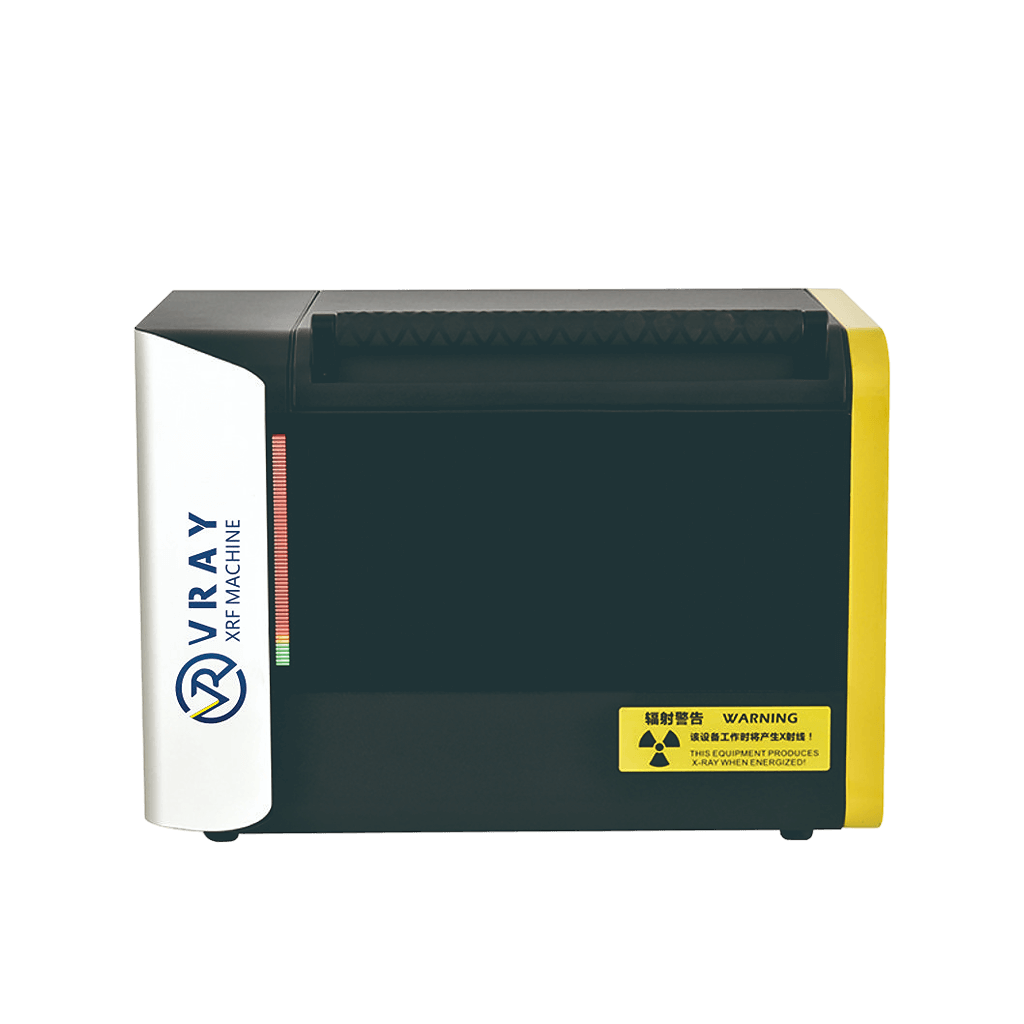













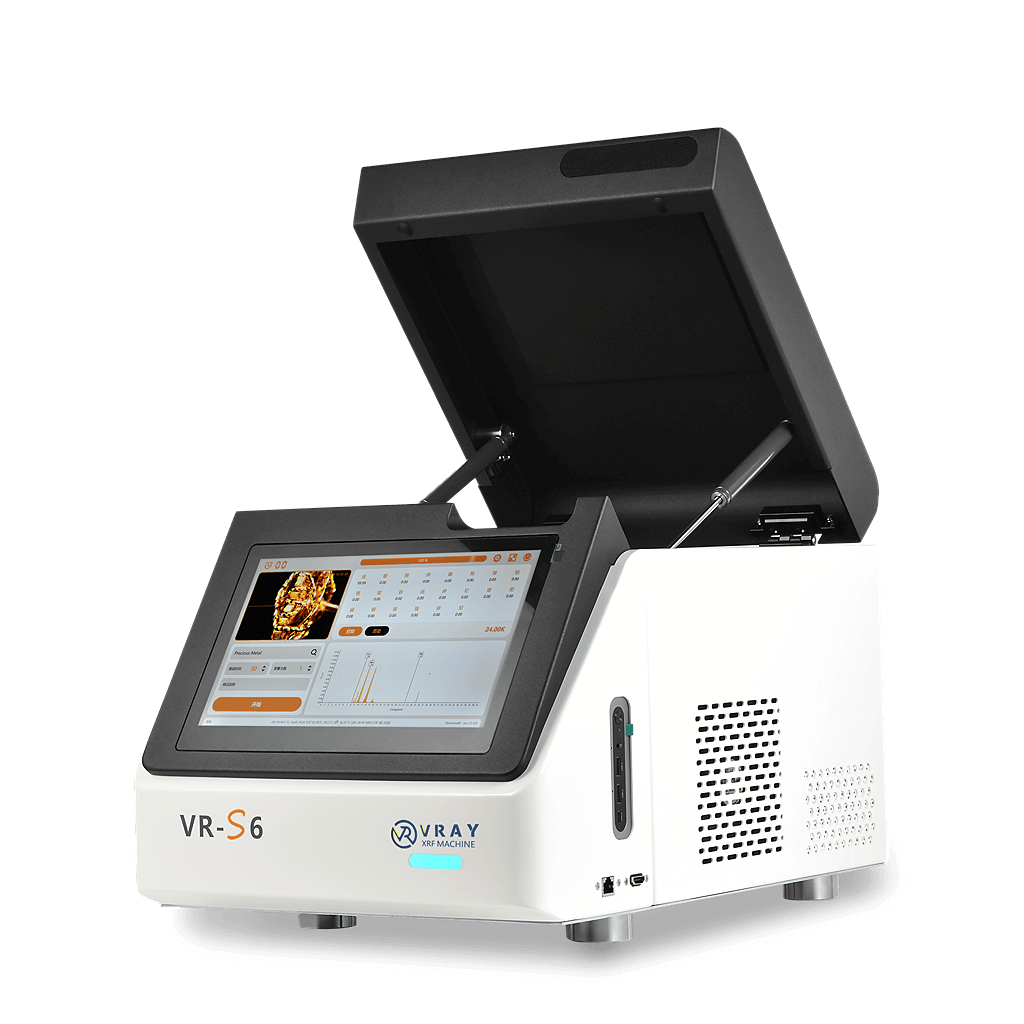

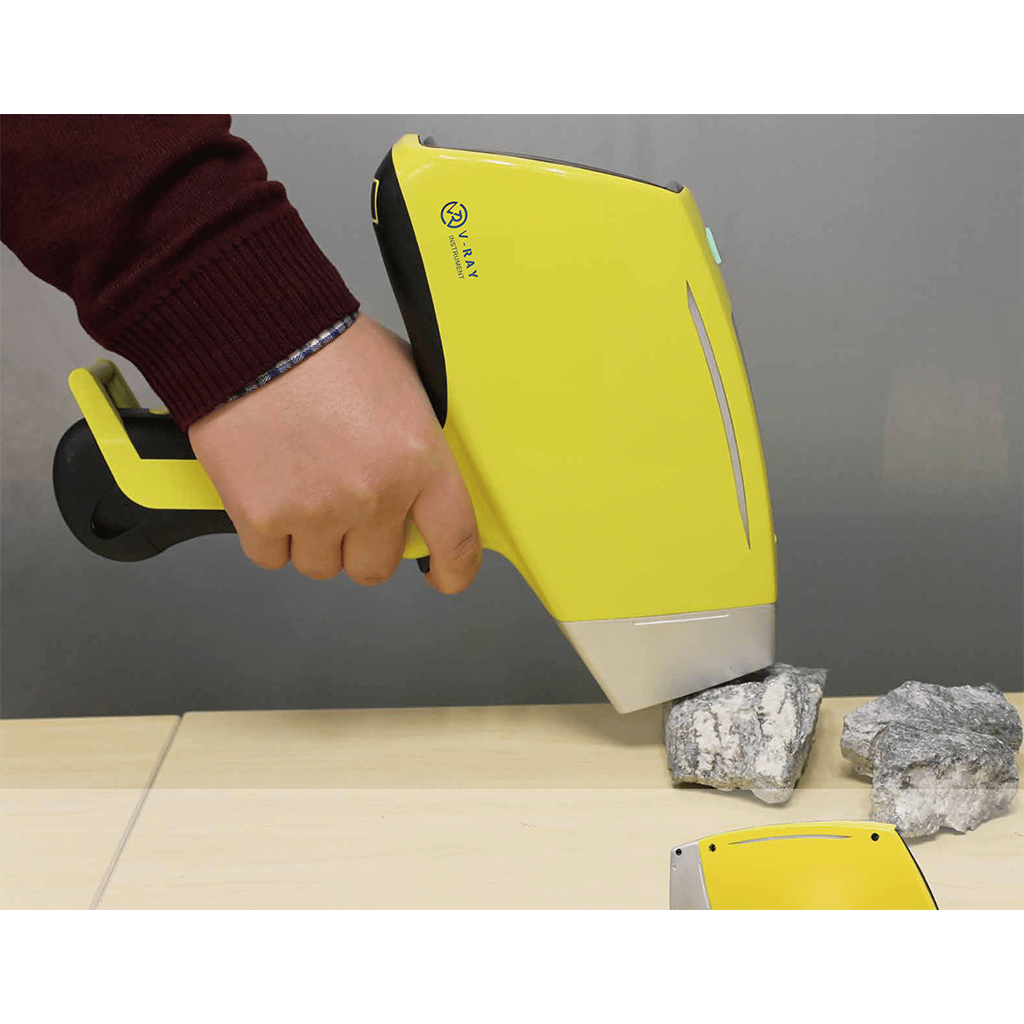


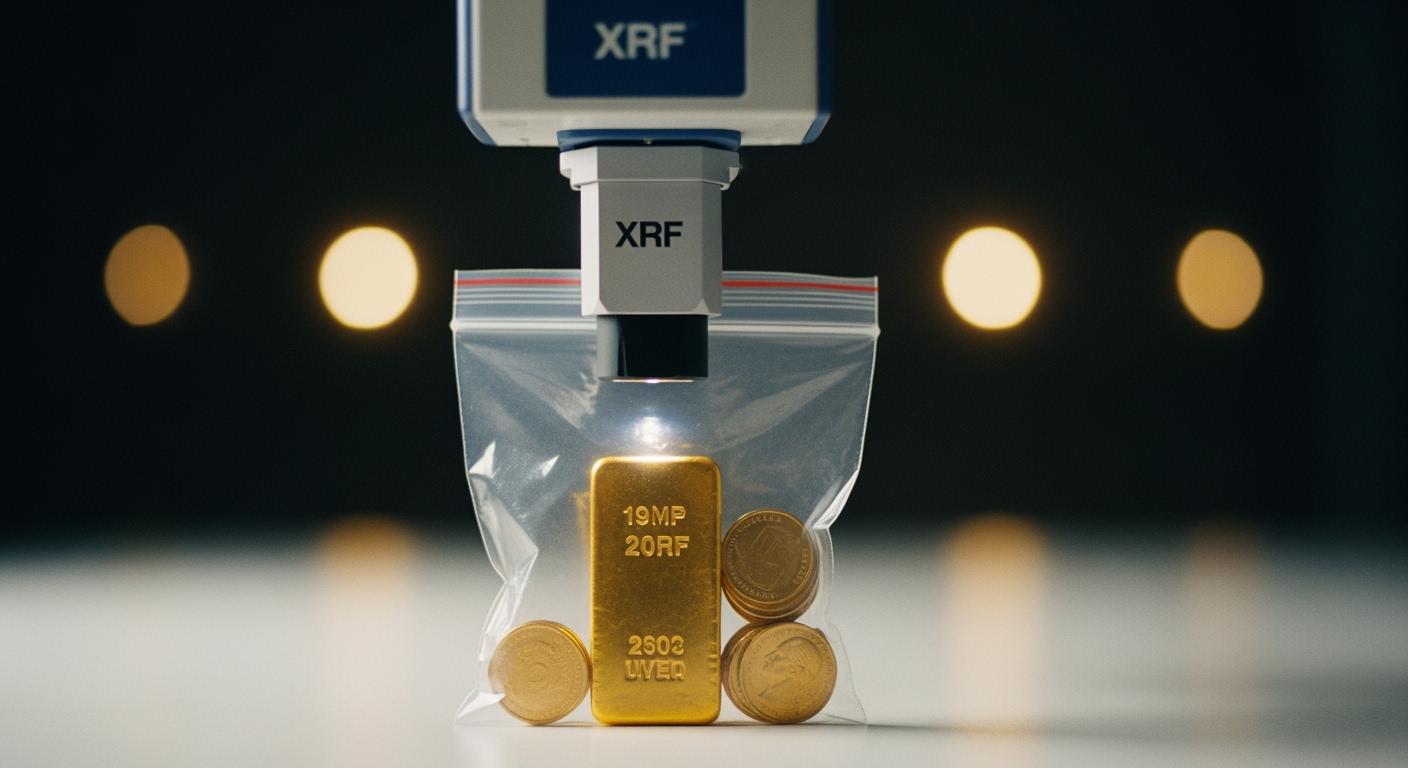
In the precious metals industry, security and chain of custody are paramount. Whether it is a bank-certified gold bar, a rare numismatic coin, or evidence in a legal investigation, there are numerous scenarios where removing an item from its protective packaging is undesirable. This raises a critical question for professionals: Can X-ray Fluorescence (XRF) technology accurately detect gold through plastic bags?
The short answer is yes. XRF technology is exceptionally capable of analyzing gold and other precious metals through most thin plastic packaging. This capability allows for rapid, non-destructive verification without compromising the physical integrity or value of the item. However, the accuracy of these results depends heavily on the physics of X-ray attenuation and the metallurgical profile of the sample.
Key Takeaways
Non-Destructive Efficiency: XRF analyzes metal composition through plastic without unsealing the evidence or protective holders.
Polymer Permeability: X-rays pass easily through low-atomic-number materials like carbon and hydrogen, which comprise most clear plastics.
Thickness Matters: Accuracy remains high for thin bags (e.g., polybags) but decreases with thick PVC or layered films due to signal attenuation.
Atomic Precision: High-end XRF analyzers can achieve precision as high as +/- 0.01% even through standard poly packaging.
Calibration Requirements: Professional operators should use “Fundamental Parameters” (FP) or specific packaging calibrations to compensate for the polymer layer.
The Physics of X-Ray Transparency in Polymers
To understand why XRF works through plastic, we must look at the atomic level. X-ray fluorescence works by bombarding a sample with primary X-rays, which displaces inner-shell electrons. When outer-shell electrons drop into these vacancies, they emit secondary fluorescent X-rays unique to each element. These X-rays are measured to determine the elemental composition.
Plastic polymers are primarily composed of carbon (Atomic Number 6) and hydrogen (Atomic Number 1). These are “light” elements with low mass attenuation coefficients. This means they are largely transparent to high-energy X-rays. In contrast, Gold (Atomic Number 79) is a “heavy” element that produces very strong, high-energy fluorescent signals (specifically the K and L lines) that can easily penetrate thin layers of plastic on their way back to the detector.
X-Ray Attenuation and Signal Loss
While plastic is mostly transparent, it is not perfectly invisible. A small portion of the primary and secondary X-rays will be absorbed or scattered by the polymer chains. This is known as the “Matrix Effect.” If the plastic is too thick, the signal from the gold will be “dimmed,” and the analyzer may report a slightly lower concentration or require a longer testing time to reach the required statistical precision.
Material Layer | X-Ray Interaction | Impact on Gold Detection |
|---|---|---|
Thin Polyethylene (PE) | 99% Transparency | Negligible impact on accuracy. |
Thick PVC / Hard Holders | Moderate Scattering | May require longer scan times; possible Chlorine interference. |
Pigmented / Colored Plastic | Absorption by fillers | Metals in pigments (like TiO2) may appear in results. |
Handheld XRF Capability | Direct Penetration | Instant, non-destructive verification. |
Operational Advantages of Through-Bag Analysis
For refineries, pawn brokers, and customs officers, the ability to test through packaging is more than just a convenience—it is a risk mitigation strategy. Handheld XRF spectrometers allow for the following benefits:
Preservation of Numismatic Value
Rare coins are often stored in hard plastic slabs or soft “flips.” Removing a coin can expose it to skin oils, moisture, or accidental scratches, instantly lowering its value. XRF allows for purity verification through these holders, confirming the gold content without the coin ever leaving its climate-controlled protection.
Chain of Custody and Evidence Integrity
In forensic or law enforcement scenarios, evidence must remain sealed to be admissible. XRF can verify if a seized bag contains genuine gold or a gold-plated base metal (like tungsten) through the evidence bag itself. This ensures that the contents are documented accurately without breaking the tamper-evident seal.
Refinery and Recycling Throughput
In recycling centers, gold-bearing scrap often arrives in large batches within sealed polybags. Sorting these items while they are still bagged prevents the loss of small components and protects workers from potential dust or chemical residues on the scrap. Rapid XRF gold testing ensures that every bag is valued correctly before it enters the furnace.
Factors That Influence Accuracy
While XRF is highly effective, professionals must be aware of variables that can distort the analysis. Achieving accuracy rates of R² = 0.9999 requires attention to the following:
1. Plastic Chemistry
Not all plastics are created equal. Polyethylene (PE) and Polypropylene (PP) are ideal for XRF because they contain only C and H. However, Polyvinyl Chloride (PVC) contains Chlorine (Atomic Number 17). Chlorine is a heavier element that can create “spectral background noise” or absorb lower-energy X-rays, potentially affecting the detection of trace alloying elements like silver or copper in a gold sample.
2. Pigments and Additives
Black or white plastic bags often contain high concentrations of Titanium Dioxide (TiO2) or carbon black. Titanium can show up in your XRF spectrum. While it won’t hide the gold, it adds complexity to the alloy breakdown. For the most precise work, clear, unpigmented plastic is always preferred.
3. Calibration and “Bag Correction”
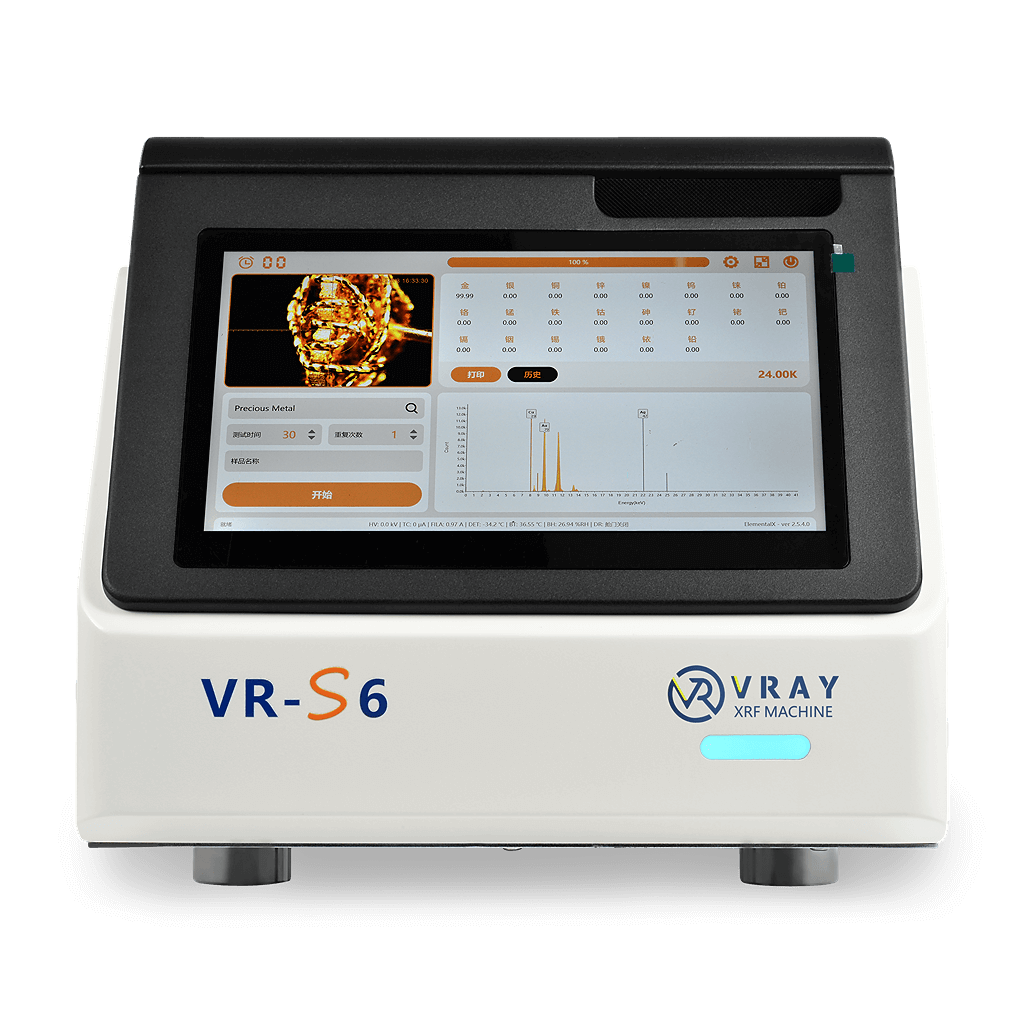
Modern analyzers, such as those from VRAY Instrument, utilize sophisticated “Fundamental Parameters” (FP) algorithms. These algorithms can be set to account for the presence of a plastic layer. By telling the device it is looking through a polymer, the software automatically adjusts for the predicted X-ray attenuation, ensuring the reported gold percentage is as close to the “melt value” as possible.
Parameter | Standard Measurement | Through-Bag Measurement |
|---|---|---|
Scan Time | 5 – 10 Seconds | 15 – 30 Seconds (To overcome attenuation) |
Precision | +/- 0.01% | +/- 0.05% |
Surface Analysis | Direct contact | Through polymer gap |
Best Practices for Testing Gold in Packaging
To maximize the reliability of your gold analysis while testing through plastic, VRAY’s engineering team recommends the following protocols:
Minimize the Air Gap: Ensure the plastic bag is pulled tight and flat against the XRF analyzer’s window. Air between the plastic and the metal can scatter X-rays and reduce signal intensity.
Use Single Layers: Avoid testing through folded plastic or multiple bags. Each additional layer doubles the attenuation of the fluorescent signal.
Standardization: Perform a “Check Standard” scan through the exact same type of plastic bag you are using for your samples. This allows you to see the “blank” spectral signature of the plastic itself.
Surface Contact: If the gold item has a complex shape (like a necklace), try to maneuver a flat area of the metal into direct contact with the plastic and the analyzer window.
“Technology is the bridge between security and efficiency. XRF’s ability to see through polymers ensures that verify-before-unsealing is a reality for the modern gold trade.”
Pro Tip: If the gold concentration is near a critical threshold (e.g., borderline 14K vs 18K), it is always best practice to perform one final verification scan on the bare metal if the situation allows.
Future Trends: AI-Enhanced Purity Analysis
The next generation of XRF analyzers is integrating Artificial Intelligence to automatically detect packaging types. These AI-powered precision tools will identify the specific polymer (e.g., “Scanning through PE Bag”) and apply real-time mathematical corrections to the energy spectrum. This will further close the gap between bagged analysis and direct-contact testing, making non-destructive gold analysis even more foolproof for pawn brokers and refineries.
Frequently Asked Questions
Can XRF detect gold through a thick freezer bag?
Yes, but with caveats. While the analyzer will definitely detect the gold, a thick freezer bag (often 3-4 mils thick) will absorb more X-ray signal than a standard thin polybag. You should increase your testing time to ensure enough photons reach the detector for an accurate karat reading.
Will XRF detect “heavy plated” fakes through plastic?
Absolutely. High-energy X-rays from a quality handheld XRF device can penetrate the surface of the gold and the plastic. If there is tungsten or copper beneath a thick gold shell, the spectral peaks for those metals will appear on the screen, flagging the item as counterfeit.
Does the color of the coin flip matter?
Most clear coin flips (Mylar or PVC) do not significantly block gold signals. However, “cloudy” or yellowed vintage flips may contain degradation chemicals that cause slight scattering. For high-value coins, clear Mylar is the industry standard for testing.
Is it safe to test gold through a bag I’m holding?
You should never hold the bag in your hand while testing. Always place the bagged sample on a shielded test stand or a flat surface. XRF involves ionizing radiation; while the beam is focused, secondary scattering from the sample and the plastic can occur. Safety should always be your first priority.
What elements cannot be detected through plastic?
Very light elements like Magnesium (Mg) or Aluminum (Al) produce low-energy X-rays that are easily absorbed by plastic. If you are testing for specific light-element alloys, you must remove the packaging. However, for Gold (Au), Silver (Ag), and Platinum (Pt), plastic is not an issue.
Explore the full range of VRAY precious metal analyzers and discover how our technology can secure your assets. Visit our Resource Center for more technical guides.