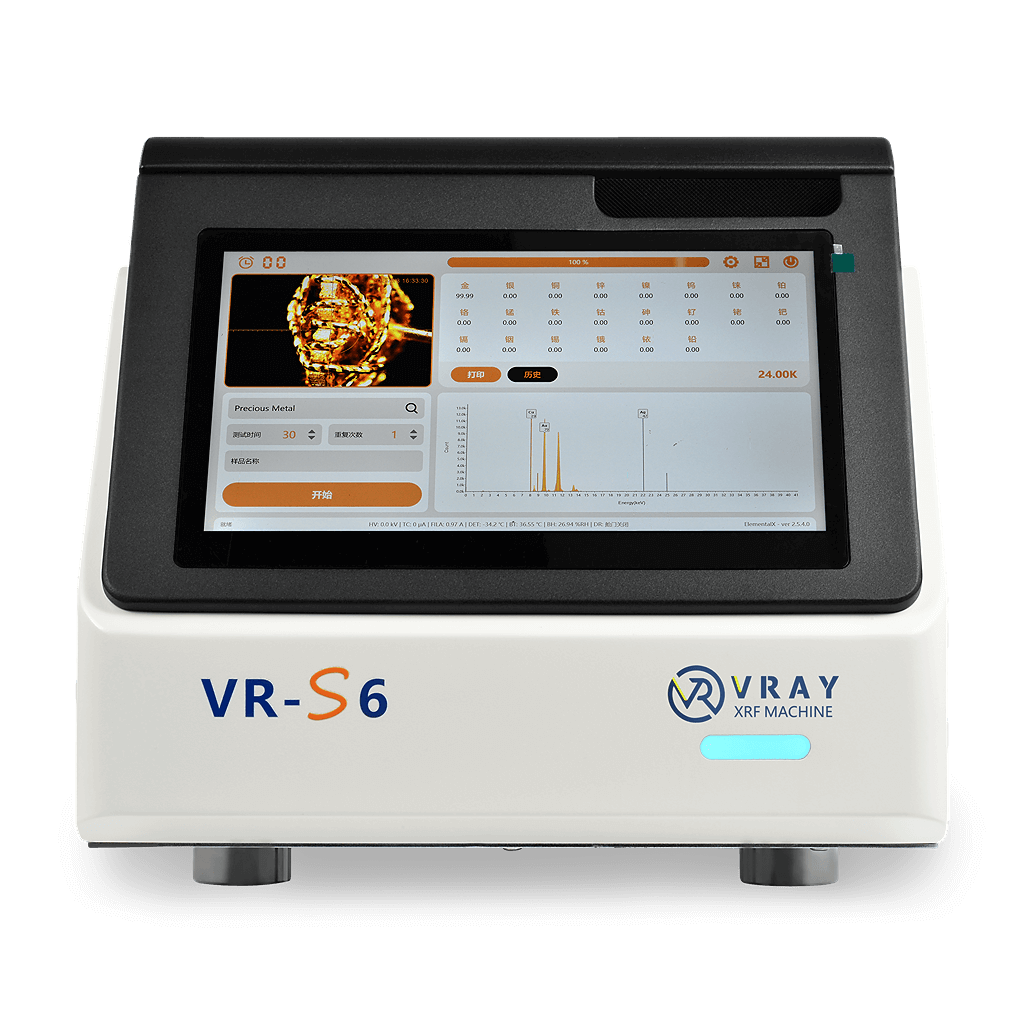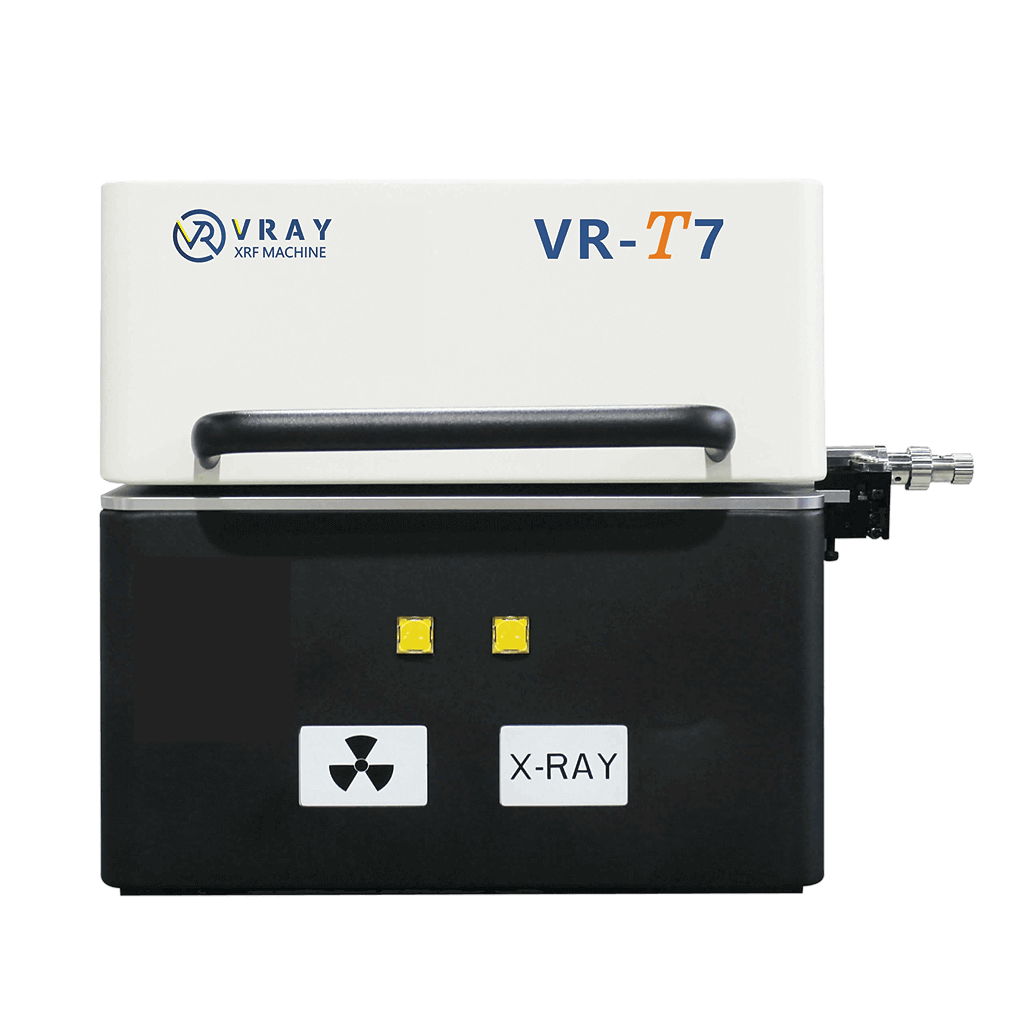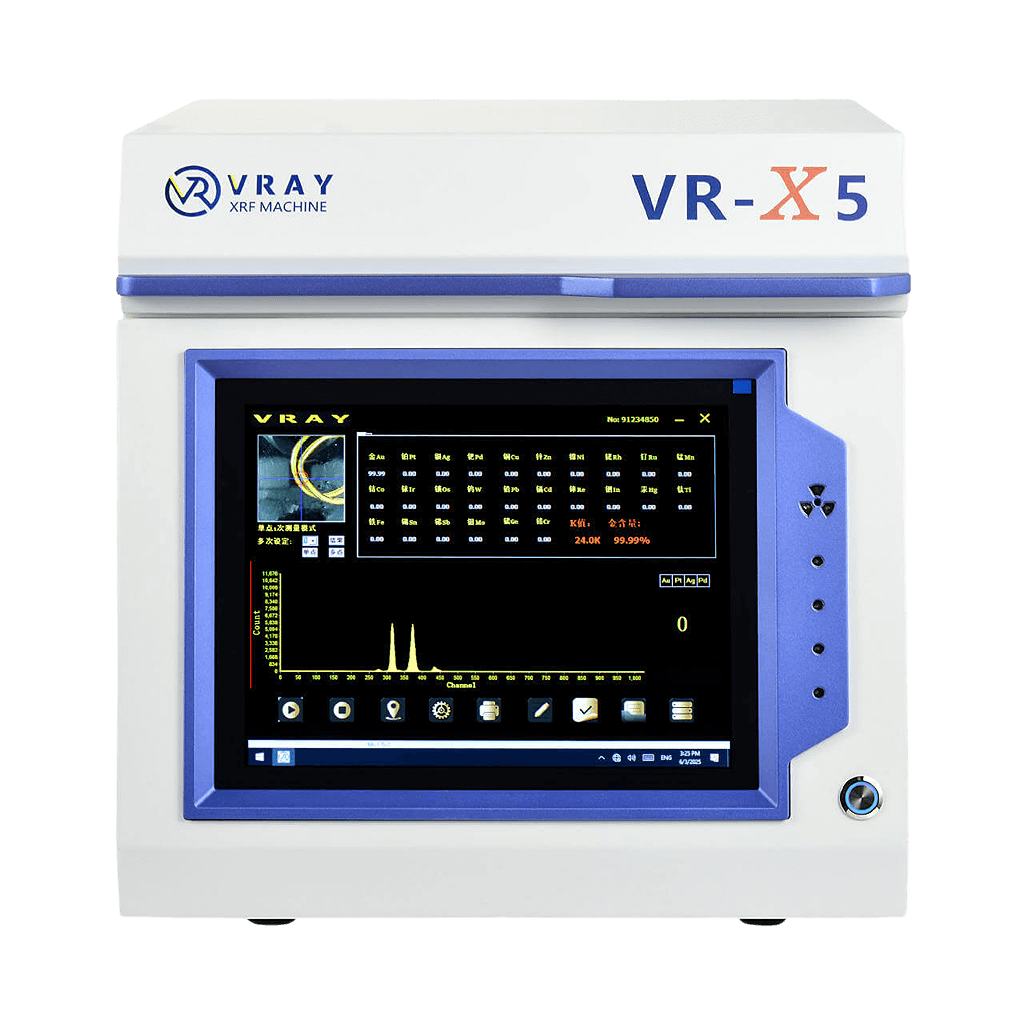
















In the world of high-precision materials analysis, few terms evoke as much hesitation as “X-ray.” For many retail jewelers, industrial quality control officers, and pawn professionals, radiation safety is a primary concern. The apprehension often stems from historical associations with high-dose medical procedures or industrial radiography. However, modern X-ray Fluorescence (XRF) technology operates under a vastly different physical and safety profile. Engineered for daily use in standard commercial environments, these systems utilize localized, low-power emissions that, when properly managed, present negligible risk to the operator or the environment.
Understanding the physics of radiation—specifically the difference between “open beam” and “closed beam” systems—is critical for any professional utilizing spectroscopic tools. By following established safety protocols and utilizing certified XRF instrumentation, businesses can leverage the power of atomic analysis without compromising the health of their workforce. This guide provides an in-depth analysis of radiation dose rates, hardware shielding, and the regulatory standards that ensure XRF remains the safest non-destructive testing method available today.
Key Takeaways
Minimal Dose Profiles: Modern XRF analyzers emit localized radiation that is significantly lower than natural background radiation or standard medical X-rays.
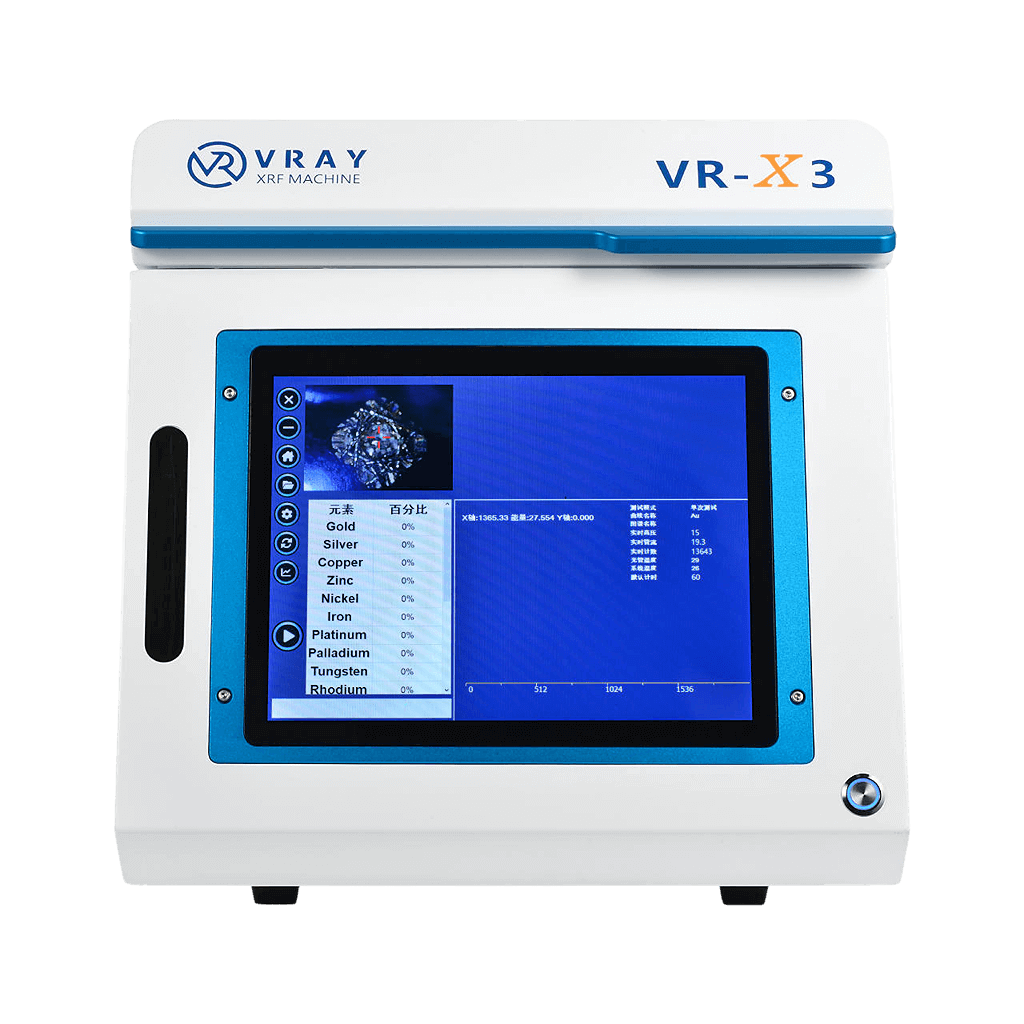
Passive Safety Engineering: High-density lead and steel shielding in benchtop models contain 99.9% of primary radiation within the analysis chamber.
The ALARA Principle: Following “As Low As Reasonably Achievable” guidelines minimizes secondary scattering and ensures 100% occupational safety.
Non-Chemical Superiority: Unlike hazardous acid testing, XRF is a “dry” physical process that eliminates toxic chemical burns and environmental waste.
Certified Compliance: Professional VRAY instruments meet rigorous CE, FCC, and regional health certifications, providing doubt-free assurance for staff and clients.
Demystifying the Physics of Radiation Safety
Radiation risk is a function of two variables: energy intensity (voltage) and exposure duration. In medical radiography, X-rays are designed to penetrate through the human body, requiring high-voltage tubes. In contrast, XRF spectroscopic methodology utilizes low-energy X-rays (typically 50kV or less) designed only to excite the electrons in the surface layers of a metal sample. This energy is insufficient to cause the high-penetration risks associated with heavy industrial radiography.
The Square-Inverse Law and Scattering
A fundamental principle of radiation safety is the Inverse-Square Law, which states that radiation intensity decreases rapidly as distance from the source increases. By increasing the distance from an active X-ray tube by just two meters, the dose rate drops to 1/4 of its original intensity. Modern XRF devices are designed to keep the X-ray focal point within millimeters of the detector, ensuring that the primary beam is localized and contained.
Source of Exposure | Typical Radiation Dose (approx.) | Safety Context |
|---|---|---|
Annual Natural Background Radiation | 2,400 μSv (microsieverts) | Natural environmental baseline. |
Round-trip Transatlantic Flight | 60 – 80 μSv | Cosmic radiation at high altitude. |
Standard Chest X-Ray | 100 μSv | Controlled medical procedure. |
Single VRAY XRF Scan (Scattered) | < 0.1 μSv | Virtually undetectable at 1 meter. |
Engineering Controls: How Hardware Protects the User
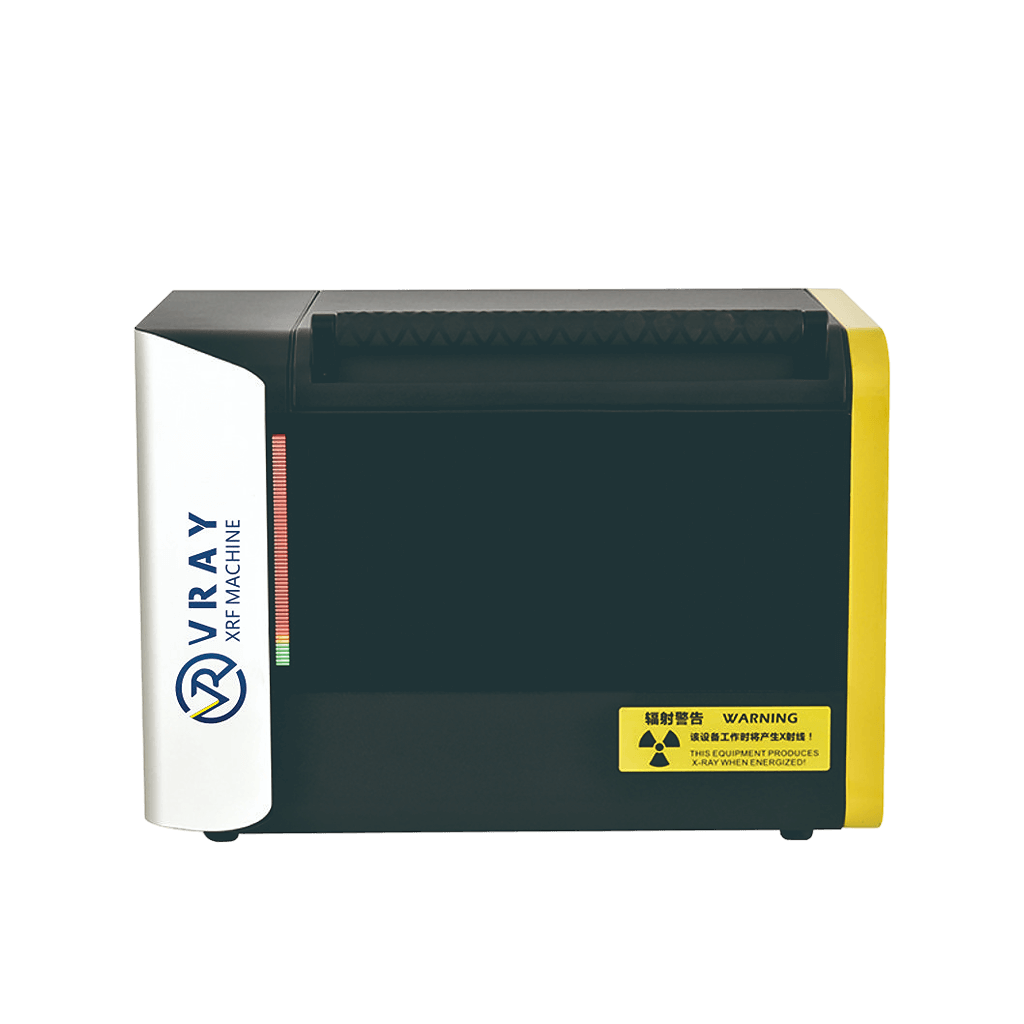
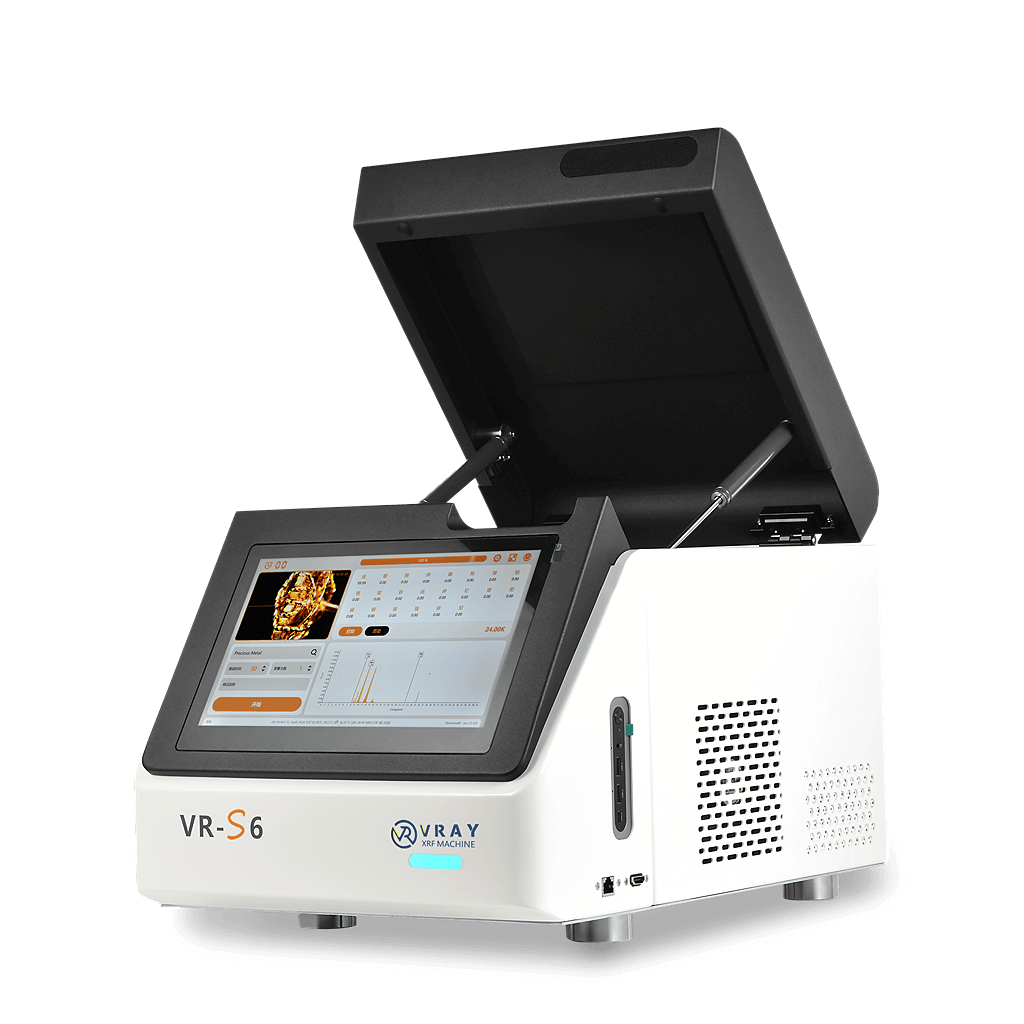
The safety of an X-ray testing device is built into its structural engineering. For benchtop gold analyzers, the most effective protection is “Passive Containment.” These units feature high-density internal shielding (usually lead or tungsten lining) that absorbs primary X-rays. For portable units, “Active Safety Systems” take precedence.
Critical Safety Features in Modern Analyzers
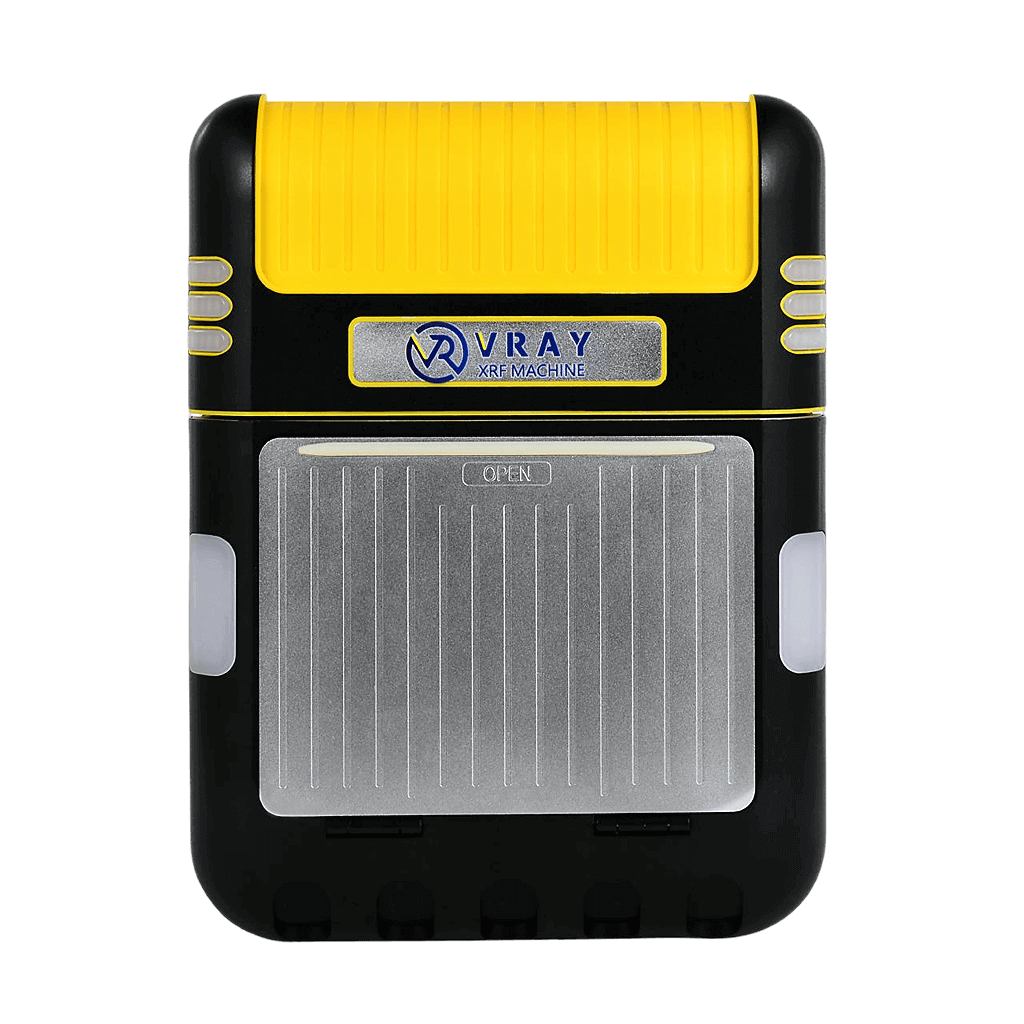
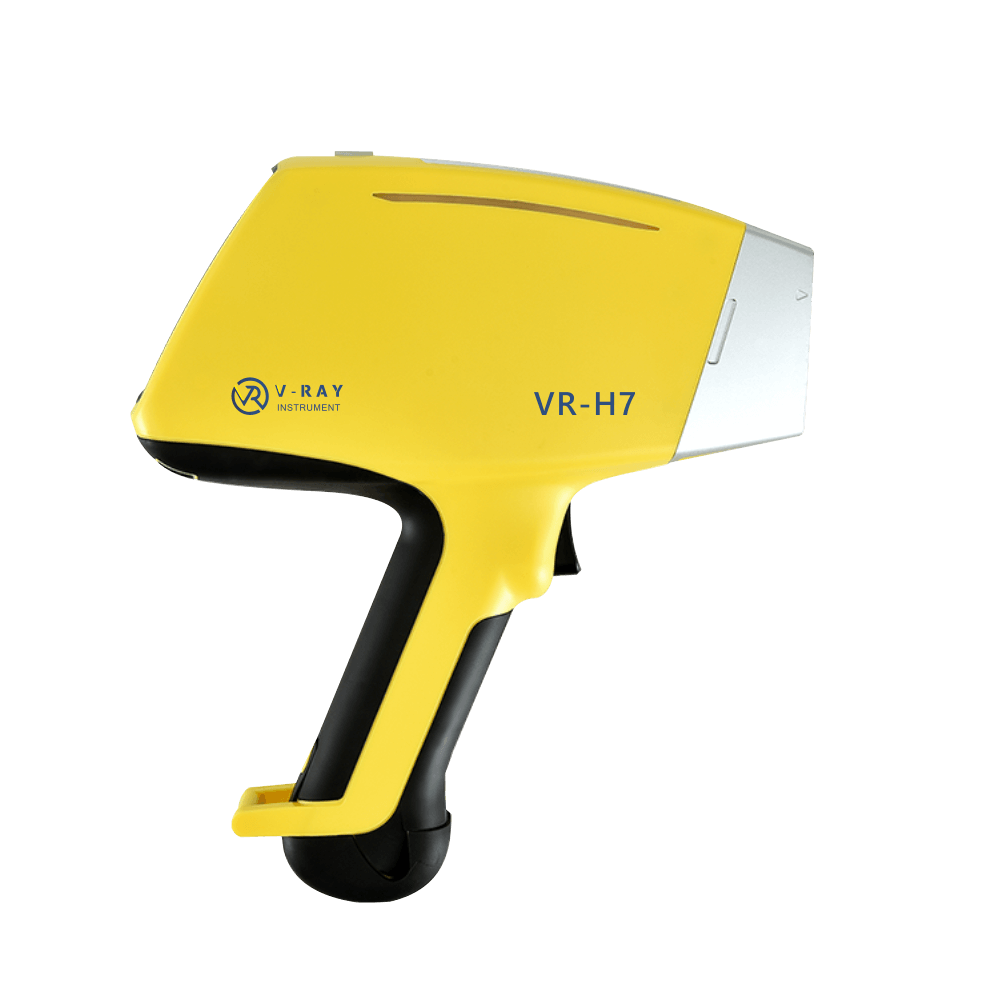
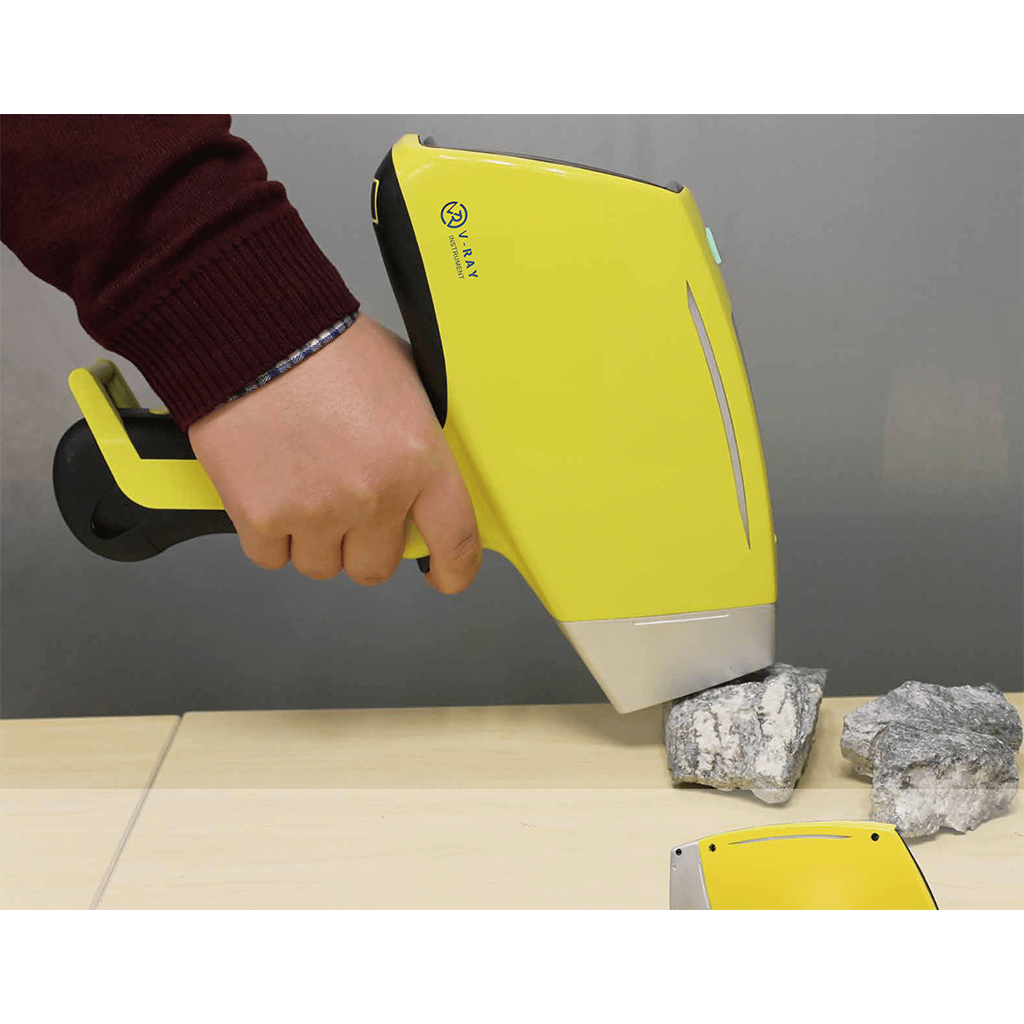
Proximity Sensors: Handheld XRF guns often feature infrared sensors that prevent the X-ray tube from firing unless a solid sample is placed directly against the aperture.
Lead-Glass Viewing Windows: In benchtop systems, viewing windows are treated with heavy-metal oxides that provide visual clarity while blocking X-ray transmission.
Interlock Mechanisms: Automatic shut-off triggers deactivate the tube immediately if the lid of an analysis chamber is opened during a cycle.
Dose Management Software: Digital indicators monitor tube usage and provide real-time alerts to ensure the device is operating within its calibrated safety limits.
Professional Note: According to peer-reviewed medical archives, the cumulative occupational dose for a professional XRF operator who follows standard safety protocols is frequently indistinguishable from the background radiation experienced by a typical office worker.
Regulatory Standards and Certification
In the United States and Europe, X-ray equipment is governed by stringent regulatory frameworks designed to protect consumers and workers. A safety-compliant XRF instrument must adhere to several global standards:
Certification / Act | Jurisdiction | Standard Focus |
|---|---|---|
CE Compliance | Europe | Meets EU health, safety, and environmental standards. |
FDA / CDRH | United States | Regulates X-ray emitting electronic products. |
EN 61010-1 | Global | Safety requirements for electrical equipment for measurement and lab use. |
RoHS | Global | Restricts hazardous substances (like lead) in the device’s electronics. |
Manufacturers must provide a Safety Data Sheet (SDS) and clear radiation warning labels. Furthermore, in many jurisdictions, users must appoint a “Radiation Safety Officer” (RSO) to oversee the implementation of the ALARA protocol: 1. Time (Minimize exposure duration), 2. Distance (Maximize space from the source), and 3. Shielding (Utilize proper barriers).
XRF vs. Chemical Testing: A Health & Safety Comparison
When discussing “danger,” it is essential to compare XRF with the alternative: Acid Testing. While the public fears X-rays, the jewelry industry has long ignored the severe health risks of Nitric Acid daily exposure. Nitric acid is highly corrosive, producing toxic nitrogen dioxide fumes that cause permanent respiratory damage and chemical burns.
XRF technology provides a 100% non-toxic, non-chemical path to metallurgical verification. By substituting liquid acids with spectroscopic analysis, a business removes the risk of skin necrosis, ocular damage from splashes, and the environmental liability of hazardous waste disposal. From a comprehensive safety perspective, XRF is objectively safer than the chemical methods it replaces.
“Technology has shifted the risk profile. Today, the most dangerous thing in a gold shop is not the XRF analyzer—it is the bottle of nitric acid sitting on the counter.”
Maintaining a Safe Workplace Culture
Safety is not just about hardware; it is about procedural discipline. Professionals who manage X-ray testing programs should implement the following “Best Practices”:
Annual Training: Ensure all operators understand the specific aperture location and scattering zones of their device.
Dosimetry Badges: For high-volume industrial environments, wearing a personal dosimeter provides documented proof of low exposure, protecting the business from future liability.
Leakage Surveys: Use a radiation survey meter annually to ensure that shielding has not been compromised through physical damage to the device.
Sample Sanitization: Cleaning jewelry with alcohol before testing reduces the need for “repeat scans,” further lowering total exposure.
Safety First: Ensure your business is compliant and your staff is protected. Explore VRAY’s range of safety-certified XRF solutions and invest in the future of non-toxic precious metal testing.
Frequently Asked Questions
Can XRF testing make my jewelry radioactive?
No. X-rays are a form of light (electromagnetic radiation), not particulate radiation like alpha or beta particles. Once the X-ray tube is turned off, there is no residual radiation in the jewelry, the air, or the analyzer.
Do I need to wear a lead apron when using a VRAY XRF analyzer?
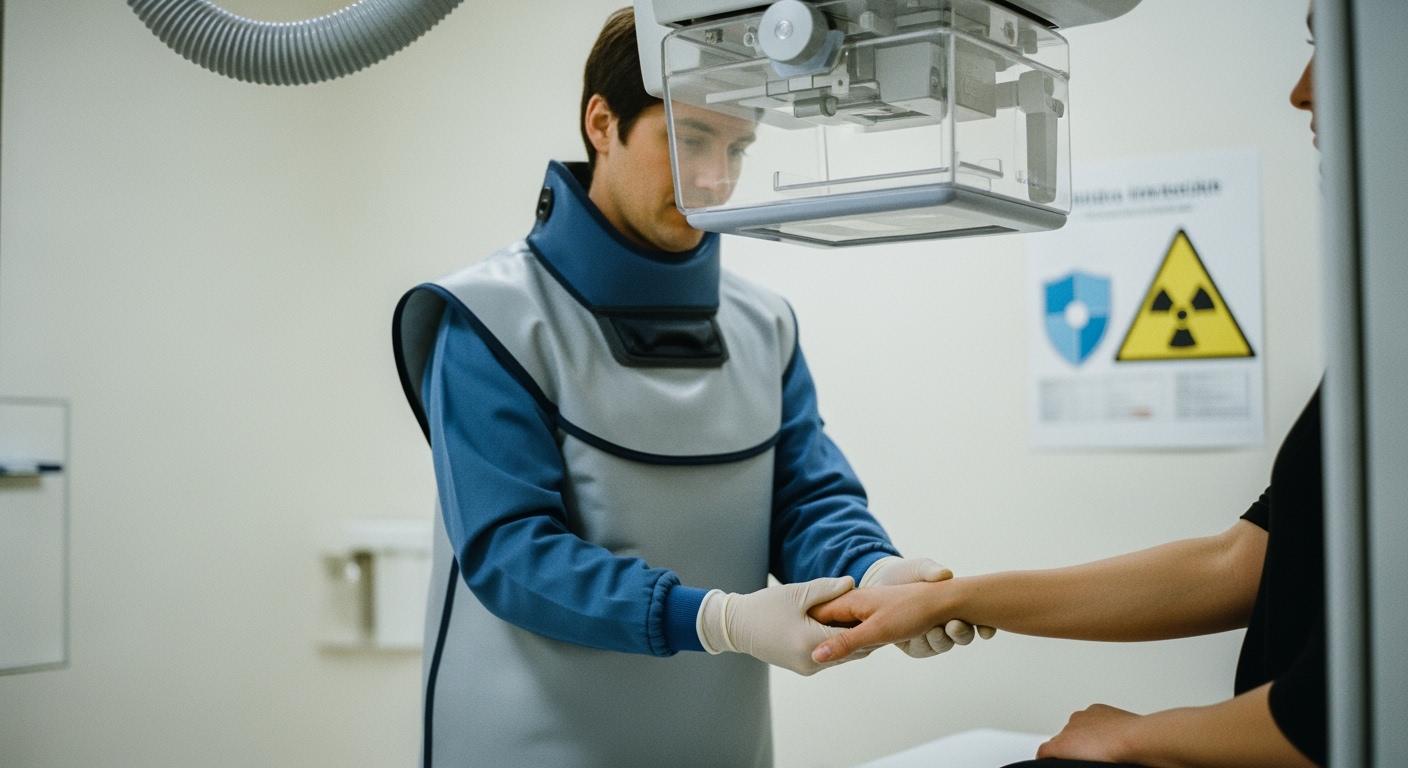
For closed-beam benchtop systems, a lead apron is unnecessary as the radiation is fully contained within the shielded chamber. For handheld units, an apron is a recommended “best practice” in high-volume environments, though not always legally required if the operator follows distance protocols.
How long can I use an XRF gun daily without exceeding dose limits?
Modern safety-certified analyzers are designed so that an operator could perform hundreds of tests per day while remaining well below the 50,000 μSv annual occupational limit set by the NRC.
Is XRF safe for pregnant operators?
While the dose rates are extremely low, most Radiation Safety Officers recommend that pregnant individuals avoid direct operation of X-ray emitting equipment as an extra precaution, or utilize benchtop “closed-beam” systems where exposure is zero.
Does the X-ray beam damage precious gemstones?
No. The low-energy X-rays used in precious metal testing do not have enough energy to alter the crystal lattice of diamonds, sapphires, or rubies. It is a completely safe, non-contact method for high-value finished jewelry.