

















In the precious metal appraisal industry, nitric acid (HNO3) has been a traditional staple for decades. Pawn shops and jewelry laboratories frequently utilize “acid tests” to quickly verify gold purity. However, beneath its utility lies a potent corrosive agent capable of inflicting permanent physiological damage. Daily exposure to nitric acid, even in small testing quantities, presents a spectrum of acute and chronic health risks that often go ignored until the damage is irreversible.
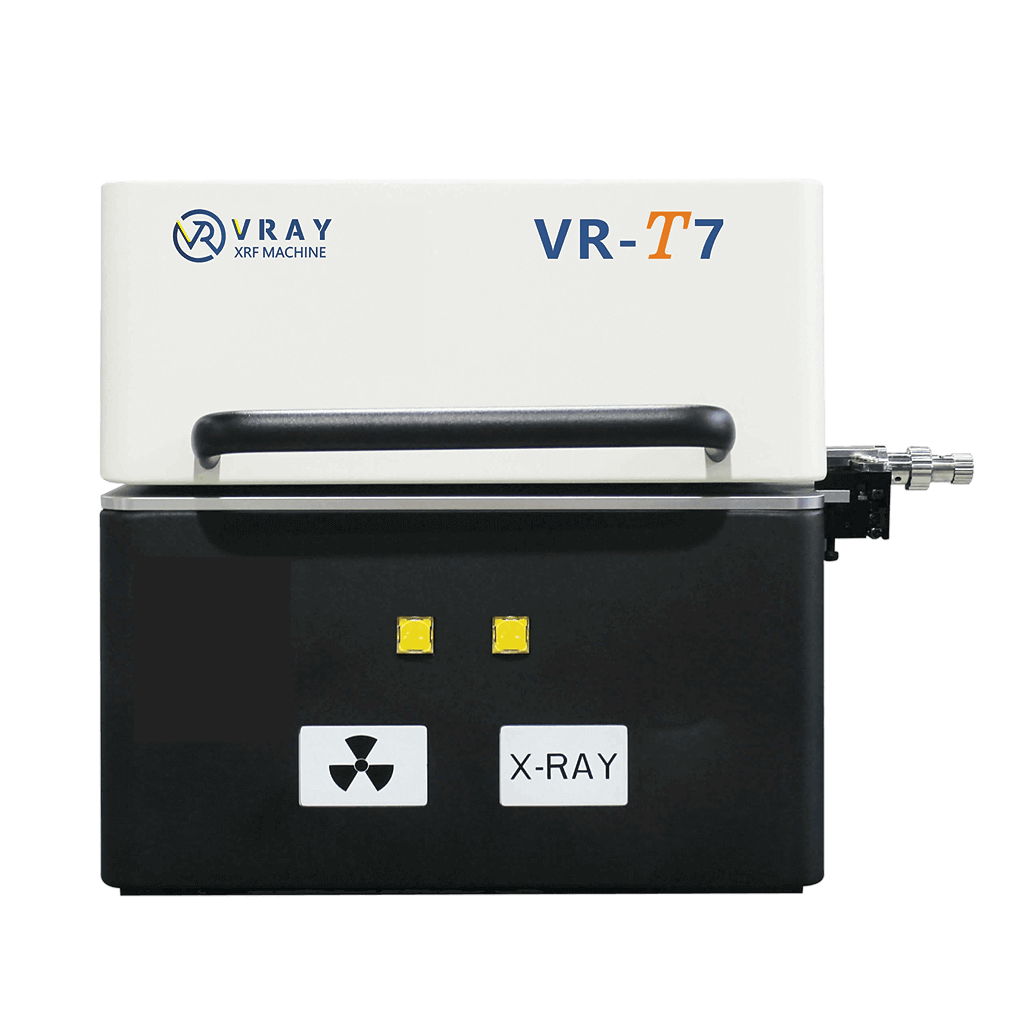
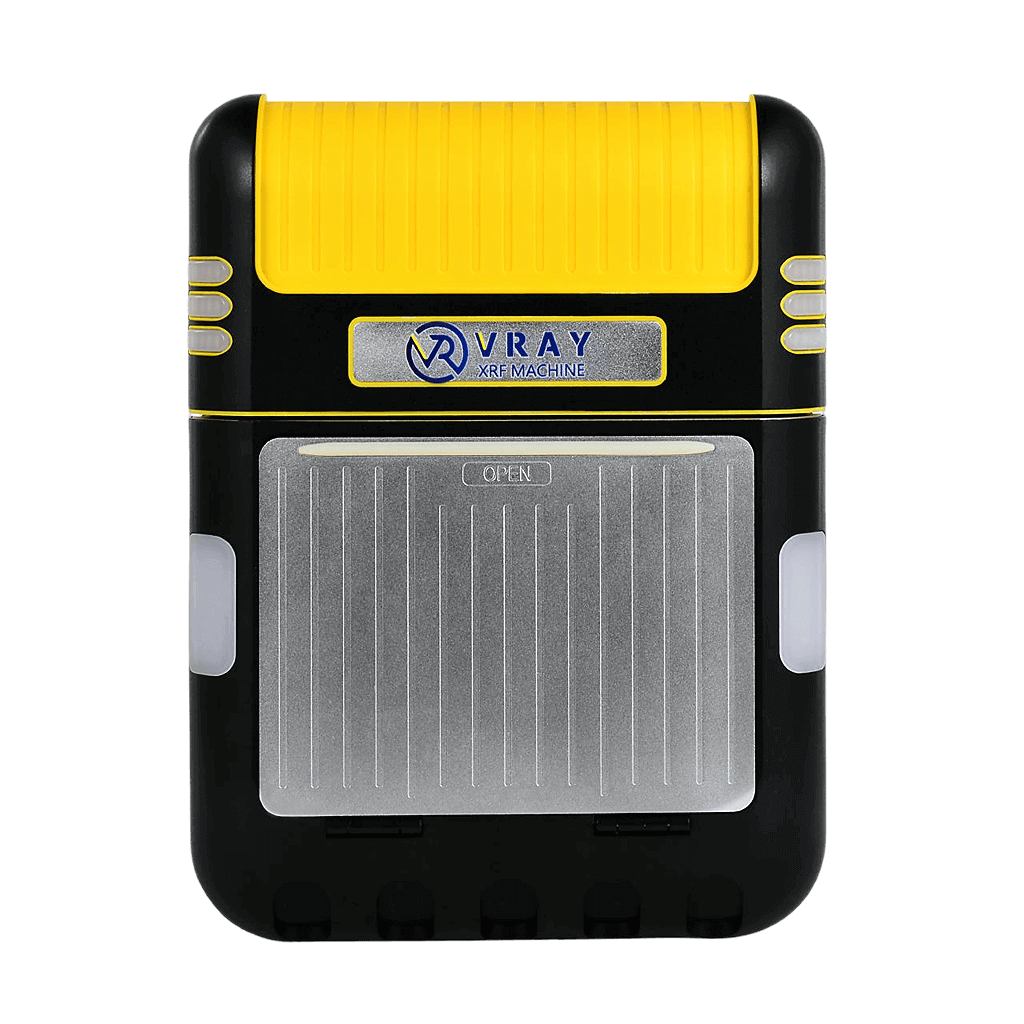
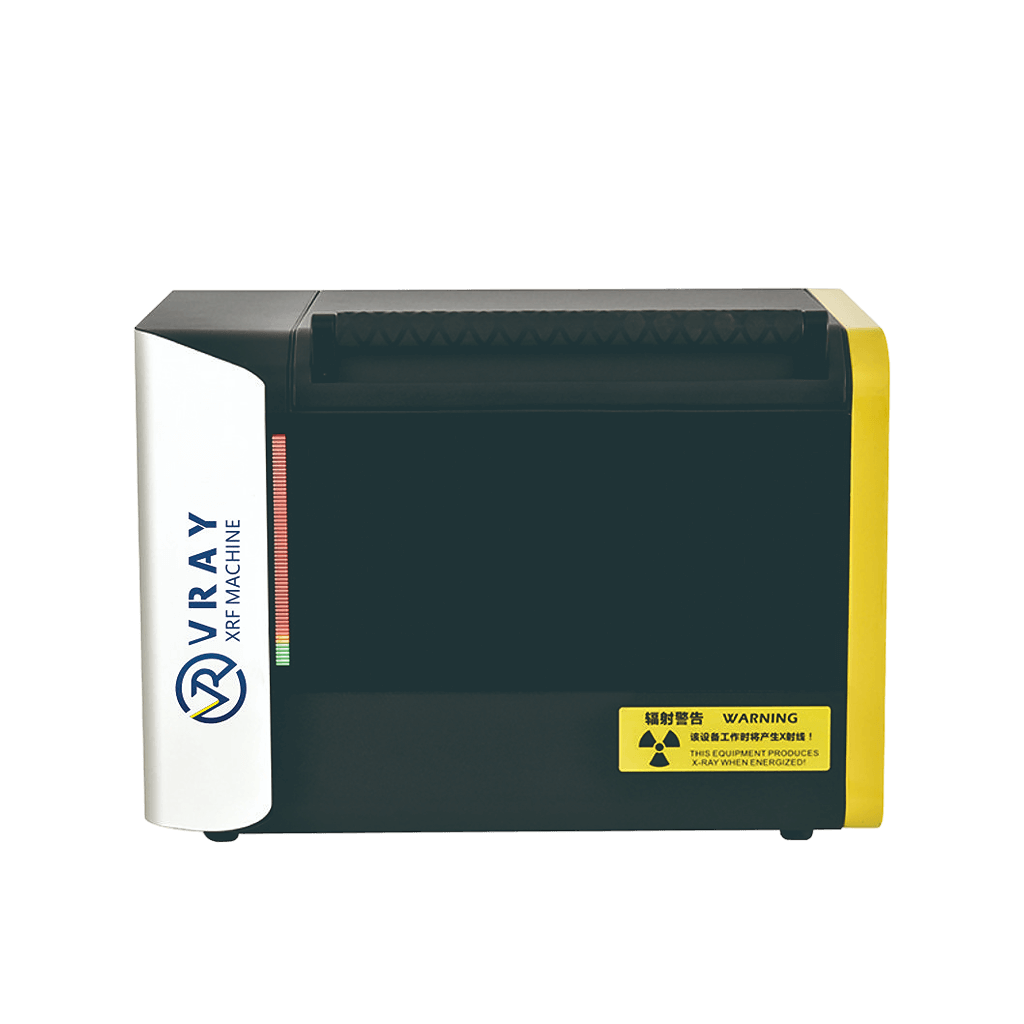
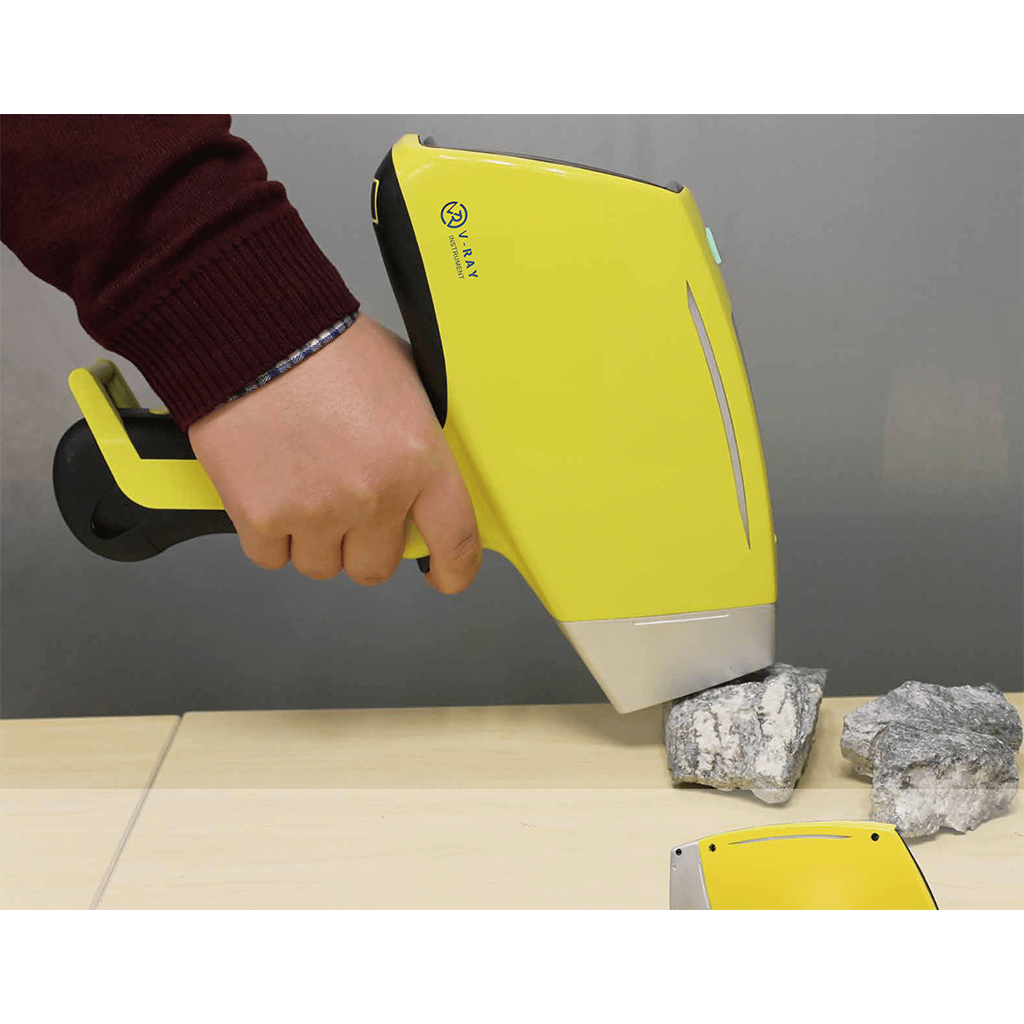
As regulatory standards for workplace safety evolve, the industry is seeing a paradigm shift toward non-destructive, non-chemical analytical methods. Modern XRF gold analyzers are now replacing hazardous chemical kits, eliminating the need for toxic substances in the workplace while providing significantly more accurate metallurgical data. This guide provides an in-depth analysis of the health hazards associated with daily nitric acid use and the path to a safer professional environment.
Key Takeaways
Respiratory Damage: Inhaling nitric acid fumes can lead to delayed pulmonary edema, a life-threatening accumulation of fluid in the lungs.
Occupational Chronic Illness: Long-term exposure is linked to chronic bronchitis, dental erosion, and an increased risk of specific cancers.
Dermal Hazards: Nitric acid causes severe yellowing of the skin (xanthoproteic reaction) and deep chemical burns that destroy tissue and nerve endings.
Operational Vulnerability: Chemical spills can cause massive financial loss through inventory damage and increased insurance liabilities.
The XRF Solution: Transitioning to X-ray Fluorescence technology eliminates chemical storage, disposal, and health risks entirely.
Nitric Acid Exposure in the Daily Professional Context
Nitric acid is a highly corrosive mineral acid. In pawn shops and jewelry manufacturing, it is primarily used in concentration levels of 65-70%. When nitric acid reacts with base metals or organic matter, it decomposes into nitrogen oxides, most notably nitrogen dioxide (NO2), a reddish-brown gas that is toxic when inhaled.
Primary Exposure Vectors
In a testing environment, exposure is rarely from a single large-scale accident; rather, it is the result of cumulative microscopic incidents. Every time a drop of acid is applied to a touchstone, a chemical reaction occurs that releases invisible vapors. These vapors are often concentrated in the worker’s breathing zone during the 10-20 seconds they spend observing the reaction. Without local exhaust ventilation, these acidic micro-droplets settle into the lungs and onto mucous membranes.
Industry Application | Role of Nitric Acid | Exposure Frequency |
|---|---|---|
Jewelry Appraisal | Acid testing for 10K, 14K, 18K gold purity. | Daily (High) |
Gold Refining | Dissolving base metals in “Aqua Regia” solutions. | Periodic (Extreme) |
Metal Passivation | Cleaning and etching stainless steel or brass. | Continuous (Industrial) |
Acute and Chronic Health Pathologies
Respiratory Oxidative Stress
When nitric acid fumes are inhaled, they react with the moisture in the respiratory tract to reform nitric and nitrous acids. This causes immediate inflammation. However, the most dangerous aspect of NO2 inhalation is the “latent period.” A worker might feel fine immediately after a spill, only to develop acute respiratory distress syndrome (ARDS) or pulmonary edema up to 24 hours later. This delayed reaction is a leading cause of fatalities in laboratory and chemical handling incidents.
Long-term Systemic Toxicity
Research published in medical archives highlights the genotoxic effects of long-term exposure. For workers in the gold jewelry manufacturing industry, chronic exposure is associated with increased chromosomal damage. Furthermore, the constant inhalation of acidic air leads to a condition known as “acid erosion” of the teeth, where the enamel is permanently thinned, leading to sensitivity and structural failure.
Dental Erosion: Continuous contact with acid mist dissolves calcium in tooth enamel.
Chronic Obstructive Pulmonary Disease (COPD): Permanent scarring of lung tissue from repeated micro-burns.
Xanthoproteic Reaction: Contact with the skin causes the nitration of amino acids, resulting in deep yellow staining and tissue necrosis.
Physical and Operational Risks for Businesses
Beyond human health, nitric acid is an operational liability. It is a powerful oxidizer that can react violently with many common substances. Improper storage—such as keeping nitric acid near organic solvents or flammable materials—is a frequent cause of fires and explosions in jewelry workshops.
Operational Risk | Impact on Business |
|---|---|
Inventory Damage | Splashes can devalue high-value jewelry or de-plate delicate items. |
Worker’s Comp | High premiums and potential lawsuits from long-term health complications. |
Heavy fines for lack of SDS (Safety Data Sheets) or improper ventilation. | OSHA Non-compliance |
Emergency First Aid: In the event of skin or eye contact, rinse with cool water continuously for at least 15-20 minutes. Do not attempt to neutralize with alkaline substances, as the heat generated by the neutralization reaction can worsen the burn.
Modern Safety Standards and OSHA Compliance
Professional facilities must adhere to strict safety protocols when handling corrosives. OSHA has established a Permissible Exposure Limit (PEL) of 2 ppm (5 mg/m3) for nitric acid over an 8-hour shift. To remain compliant, shops must invest in expensive engineering controls, such as fume hoods and chemical storage lockers.
However, the most effective way to manage chemical risk is “Substitution”—the top tier of the Hierarchy of Controls. By replacing acid kits with non-destructive XRF analyzers, a business eliminates the hazardous material entirely, thereby removing the need for specialized ventilation, medical monitoring, and hazardous waste disposal.
Moving Toward Non-Toxic Alternatives: The XRF Revolution
X-ray Fluorescence (XRF) technology has completely transformed precious metal testing. By using a low-power X-ray source to excite the atoms of a sample, the device can provide a complete elemental breakdown in seconds. This provides a “digital assay” that is more accurate than any chemical test without the associated health risks.
Why Industry Leaders are Switching to XRF
Unlike acid testing, which only examines the surface and can be fooled by gold-plated items, XRF can provide data on the entire alloy composition. For a pawn shop owner, this means no longer inhaling toxic fumes and no longer accidentally damaging a customer’s jewelry with a scratch or a drop of acid. As noted in scientific studies on gold jewelry manufacturing, the move away from nitric oxide-producing chemicals is essential for the long-term health of artisans and appraisers.
“Substitution is the most effective safety measure. If you don’t have the acid in the building, you can’t have the burn.”
Secure Your Workplace: Stop risking your health and your business with outdated chemical tests. Explore VRAY’s chemical-free gold testing solutions and modernize your operations today.
Frequently Asked Questions
What is the most dangerous byproduct of nitric acid testing?
Nitrogen Dioxide (NO2) is the most hazardous byproduct. It is a highly toxic gas that can cause severe lung injury and “pulmonary edema” that may not manifest until hours after exposure has occurred.
Can regular surgical masks protect me from nitric acid fumes?
No. Standard surgical masks or N95 respirators are designed for particulate matter, not acidic gases. To be protected from nitric acid vapors, a worker must use a respirator with specific chemical cartridges (typically olive or yellow coded) designed for acid gases.
How does XRF technology eliminate the need for acid?
XRF analyzers use physics rather than chemistry. By analyzing the “characteristic X-rays” emitted by the atoms in a metal sample, the XRF device provides a full percentage-based breakdown of gold, silver, platinum, and base metals without any chemical interaction.
What should I do if my skin turns yellow after touching nitric acid?
The yellowing is known as a xanthoproteic reaction, caused by the acid reacting with proteins in your skin. It indicates a chemical burn. You should wash the area thoroughly with water and seek medical attention, as the acid can continue to burn deeper layers of tissue even after surface washing.
Is X-ray testing safe for daily use in a jewelry shop?
Yes. Modern XRF analyzers are designed with built-in safety shielding. When used correctly, the radiation exposure is lower than a standard dental X-ray, making it a far safer alternative to handling liquid acids daily.