
















In the world of luxury goods and industrial electronics, the term “Heavy Gold Plating” carries significant weight. Unlike standard flash plating, heavy gold plating refers to a robust electrodeposition process where a substantial layer of gold—typically 2.5 microns or thicker—is applied to a base metal. This process is not merely for aesthetics; it is a critical engineering requirement for durability, conductivity, and long-term corrosion resistance.
Understanding the nuances of gold layer thickness is essential for quality control professionals, jewelers, and electronics manufacturers. This guide explores the technical standards, the electroplating process, and the most advanced non-destructive methods, such as XRF analysis, used to verify these coatings.
Key Takeaways
Superior Thickness: Heavy gold plating requires a minimum of 2.5 microns, offering significantly better wear resistance than standard plating (often < 0.5 microns).
اختبار غير تدميري: X-ray Fluorescence (XRF) is the gold standard for measuring plating thickness without damaging the item.
Hallmark Identification: Look for stamps like “HGE” (Heavy Gold Electroplate) or “HGP” as initial indicators of quality.
Industrial Value: Beyond jewelry, heavy plating is vital in aerospace and medical electronics for its exceptional reliability.
Investment Protection: Accurate detection prevents the purchase of “flash-plated” items masquerading as high-quality heavy-plated goods.
The Technical Anatomy of Heavy Gold Plating
Thickness Standards and Microns
In the industry, the “micron” (µm) is the universal unit for coating thickness. To put it in perspective, 1 micron is 1/1000th of a millimeter. Standard gold-plated jewelry often features a “flash” coating of only 0.17 to 0.5 microns, which can wear off within weeks of regular use. In contrast, “Heavy Gold Plating” must meet specific regulatory thresholds:
Classification | Thickness (Microns) | Typical Application |
|---|---|---|
Gold Flash | 0.05 – 0.25 µm | Budget costume jewelry, low-cost decorative items. |
Standard Gold Plated | 0.5 – 1.0 µm | Mid-range fashion accessories. |
Gold Vermeil | Min 2.5 µm | High-end jewelry with a Sterling Silver base. |
Heavy Gold Plated (HGE) | 2.5+ µm | Luxury watches, premium jewelry, and industrial connectors. |
The Electroplating Process Step-by-Step
Achieving a high-quality heavy gold layer is a complex electrochemical procedure. Manufacturers utilize electrodeposition, where the base metal (often brass, copper, or silver) acts as the cathode (-), and a gold source acts as the anode (+), both submerged in an electrolyte bath containing gold salts.
Surface Activation: The base metal is ultrasonically cleaned to remove oils and oxides. Any microscopic debris can cause the gold layer to peel or pit.
The “Strike” Layer: A very thin “strike” of high-purity gold or nickel is applied first. This improves the adhesion of the subsequent thicker layers.
Diffusion Barrier: For many items, a nickel or palladium barrier is essential. This prevents the base metal (like copper) from migrating into the gold layer, which causes tarnishing.
Build-up Phase: The item remains in the gold bath for an extended period. The thickness is controlled by precise adjustments to current density (amperes), temperature, and immersion time.
Why Plating Thickness Detection Matters
For the consumer, heavy plating means a product that won’t turn skin green or lose its luster after a few wears. For the industrial sector, it ensures electrical conductivity and prevents oxidation in mission-critical hardware. However, since gold is expensive, “under-plating” is a common form of fraud. This makes accurate detection tools like XRF analyzers indispensable.

Durability and Lifespan Analysis
The lifespan of a gold coating is directly proportional to its thickness. A heavy 2.5-micron layer can withstand years of daily friction, whereas a flash-plated item may show the base metal within months. Factors affecting wear include skin pH levels, exposure to chemicals (perfumes, detergents), and mechanical abrasion.
Feature | Heavy Gold Plated (2.5µm) | Standard Plated (0.5µm) |
|---|---|---|
Daily Wear Lifespan | 2 – 5 Years | 3 – 6 Months |
Corrosion Resistance | Excellent | Moderate to Poor |
Hypoallergenic Quality | High (Thick barrier) | Low (Base metal leaks) |
Refurbishment | Can be lightly polished | Polishing removes the gold |
Advanced Detection: How to Identify Heavy Gold Plating
Visual Inspection and Hallmarks
Initial identification starts with the naked eye and a jeweler’s loupe. Look for consistent color; high-quality gold plating should not have “shadows” or pale spots. Check the “wear points”—the inner side of a ring or the clasp of a necklace. If the base metal is visible there, it is likely not heavy plating.
Common stamps include:
GP: Gold Plated (Generic).
HGE / HGP: Heavy Gold Electroplate / Heavy Gold Plate.
GF: Gold Filled (A different mechanical process, but usually very thick).
XRF Analysis: The Non-Destructive Standard
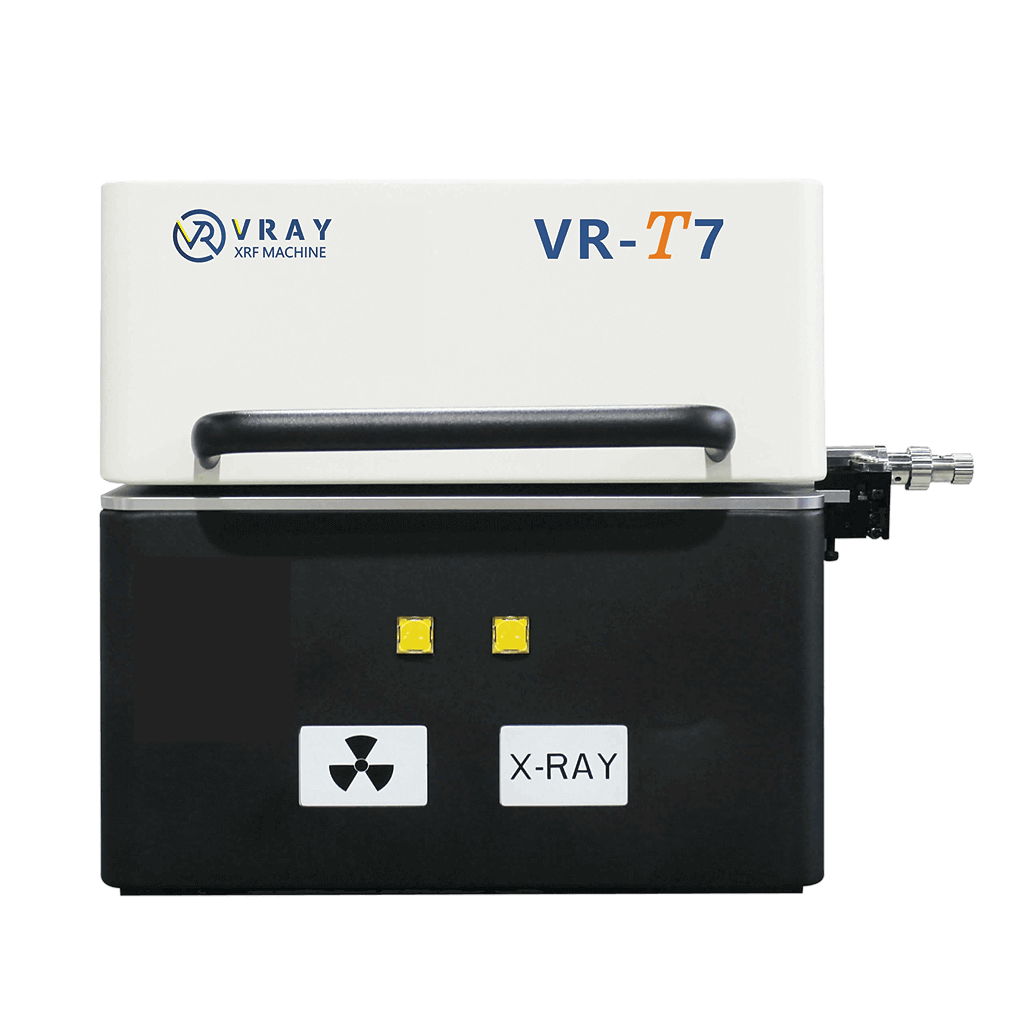
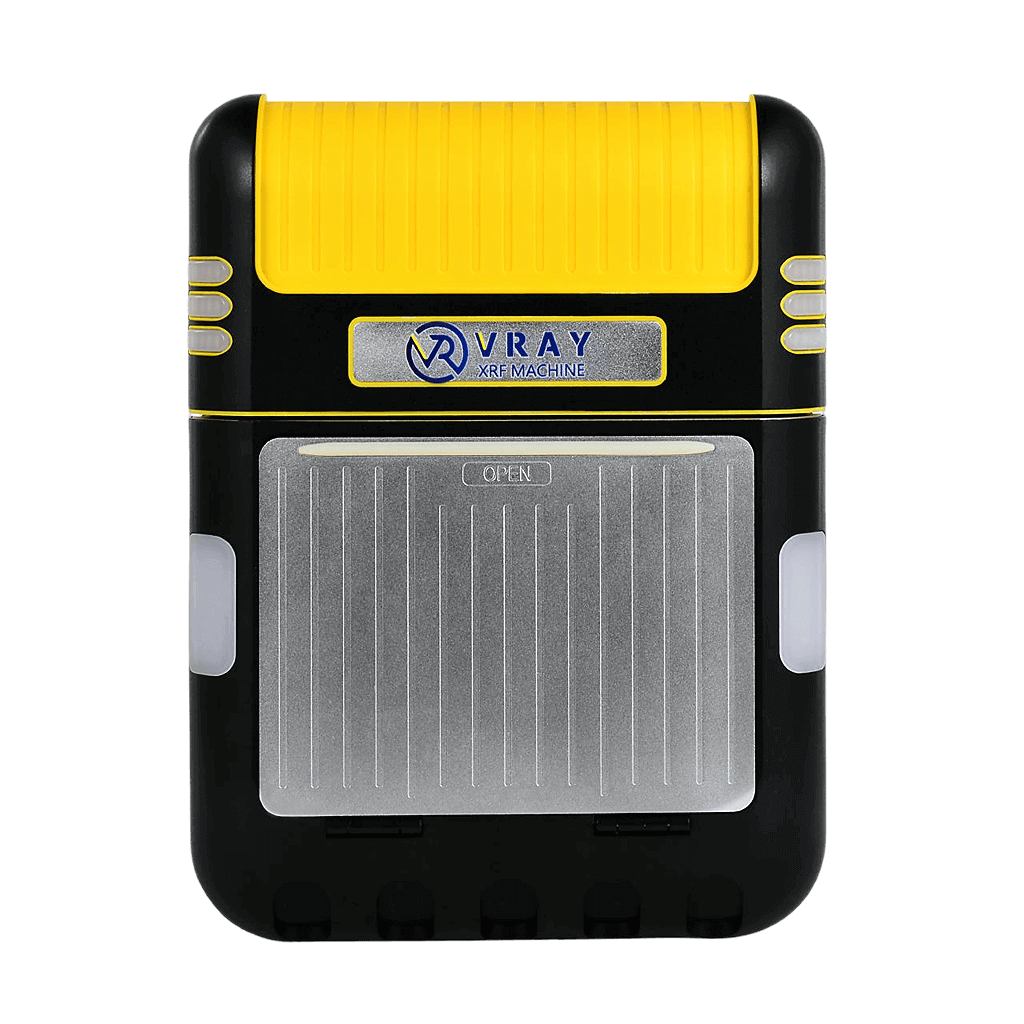
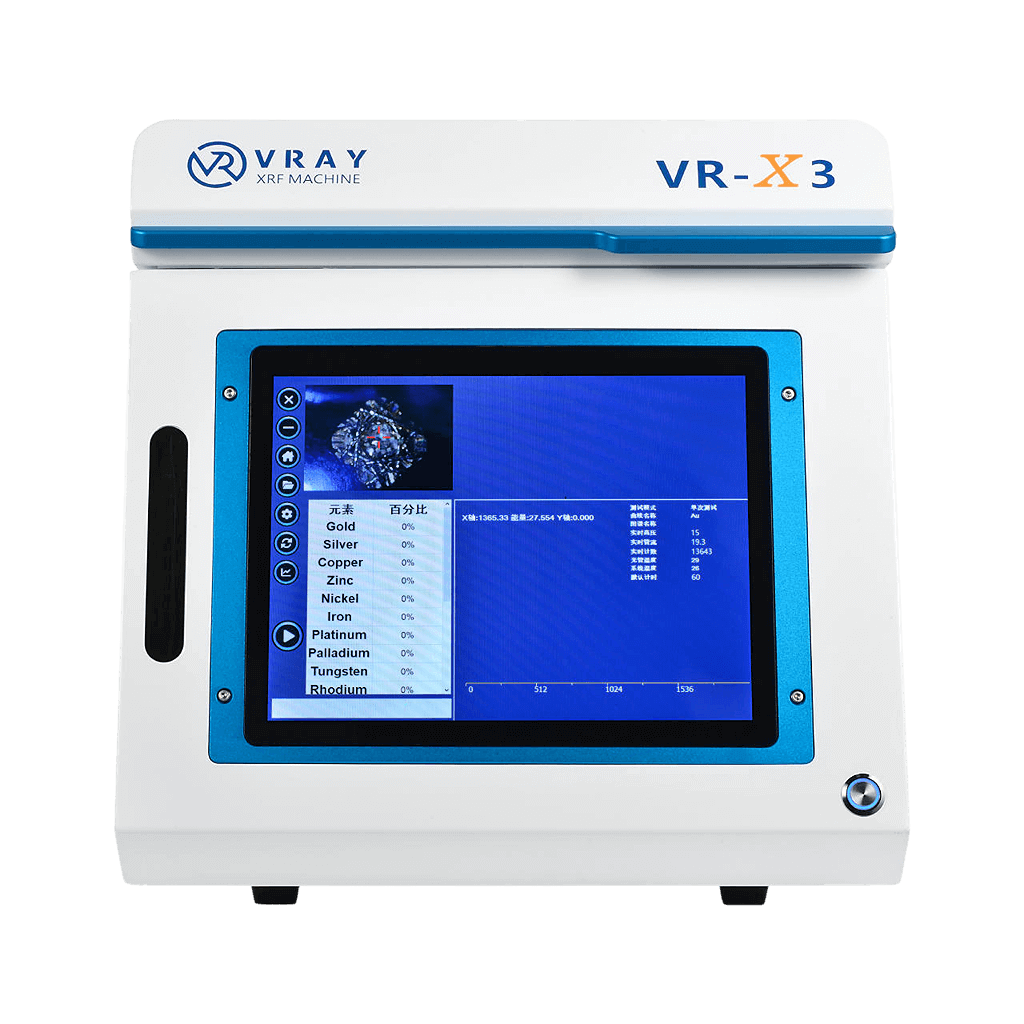
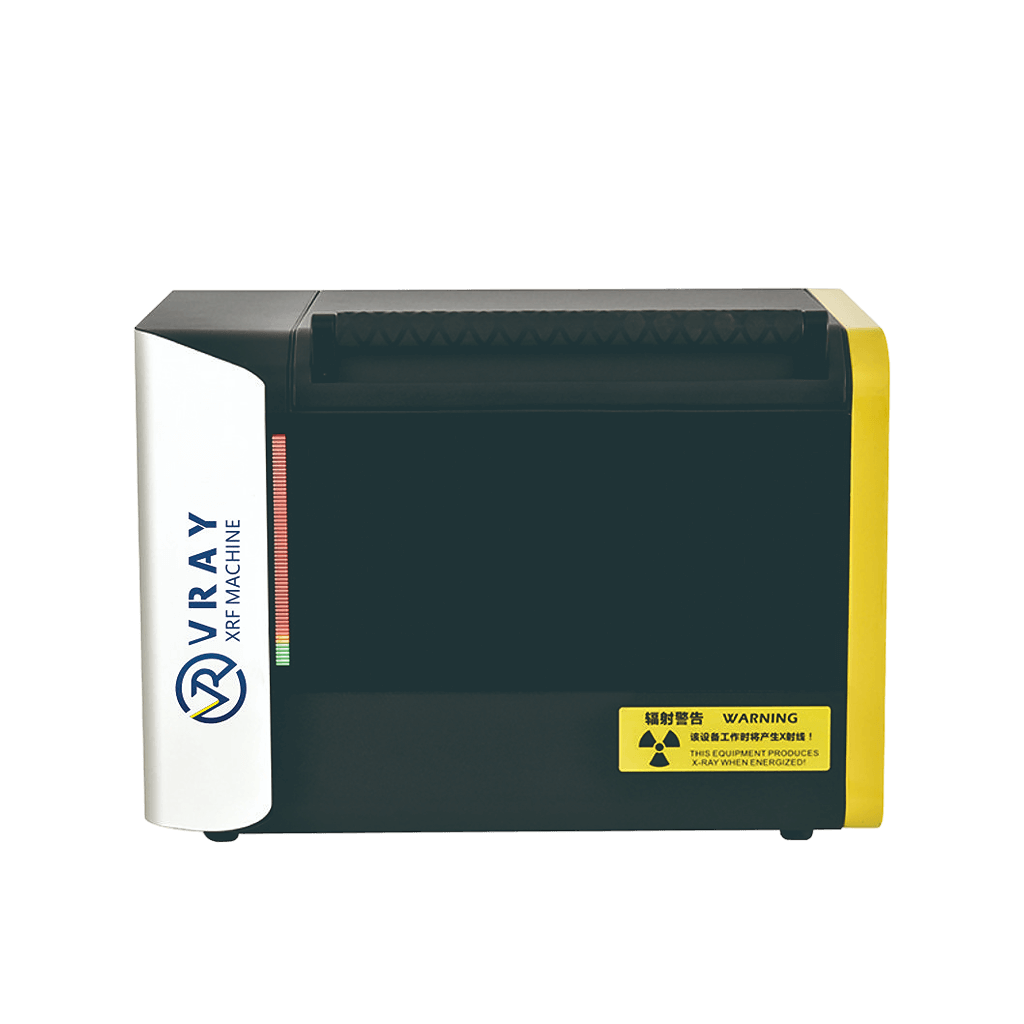
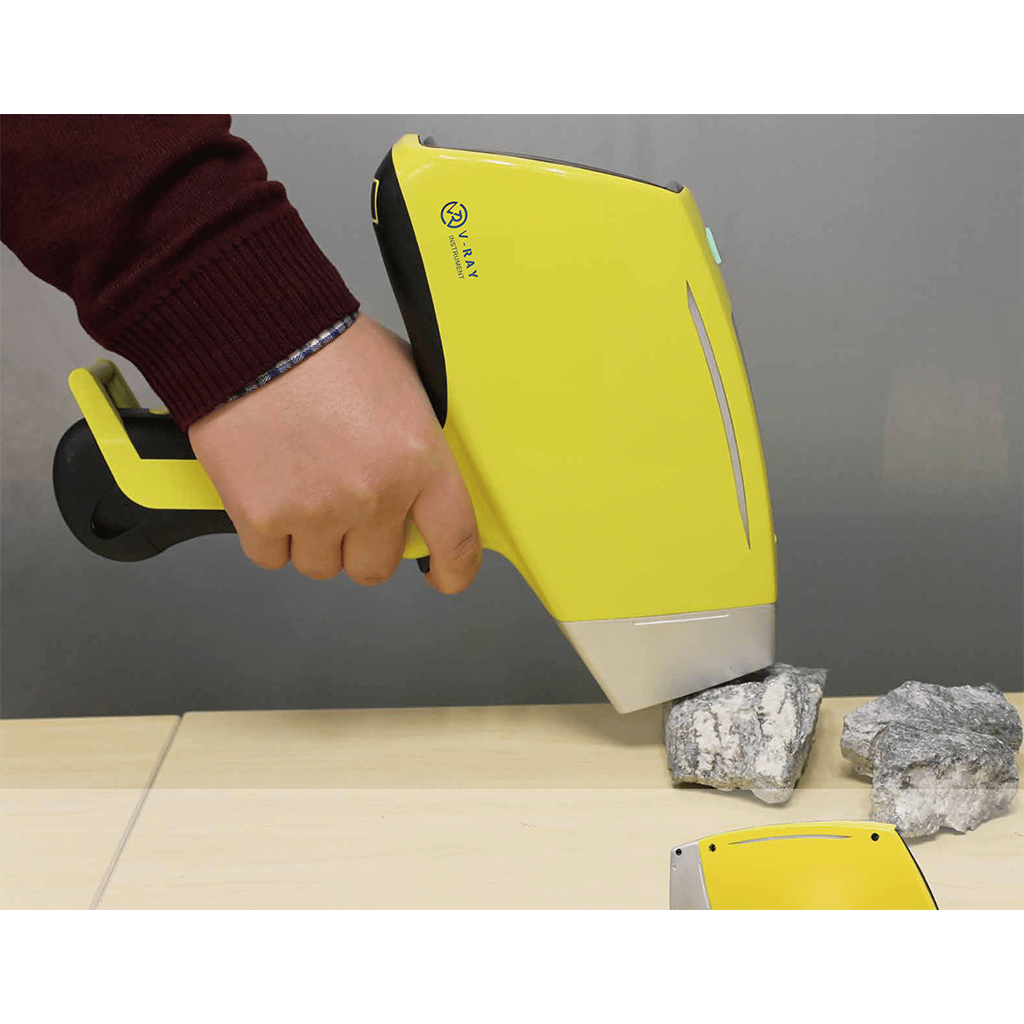
While hallmarks can be faked, the physics of X-ray Fluorescence (XRF) cannot. XRF analyzers, such as those developed by VRAY Instrument, are the most reliable tools for measuring coating thickness. These devices work by emitting primary X-rays that “excite” the atoms in the gold layer. As the atoms return to a stable state, they emit secondary X-rays (fluorescence) unique to gold.
Modern XRF technology offers several advantages:
Multi-Layer Measurement: It can simultaneously measure the gold thickness, the nickel strike layer, and identify the base metal (e.g., detecting hidden tungsten).
High Precision: Accurate to within ±0.01 microns, ensuring the plating meets the promised 2.5µm standard.
Non-Destructive: Unlike acid tests, XRF leaves the item in pristine condition, preserving its resale value.
Speed: Provides a full chemical breakdown and thickness report in under 10 seconds.
The Limitations of Acid Testing
Traditional “scratch and acid” tests are destructive and often misleading. An acid test only verifies the presence of gold on the surface; it cannot distinguish between a 0.5-micron flash and a 2.5-micron heavy plate. Furthermore, the scratching required for the test ruins the plating, exposing the base metal to accelerated corrosion.
Common Misconceptions and Market Risks
Heavy Plating vs. Gold Filled
Many people use these terms interchangeably, but they are technically different. Gold-filled jewelry involves bonding a thick sheet of gold to a base metal using heat and pressure. Heavy gold plating is an electrochemical process. While both can be durable, “heavy plating” allows for more intricate designs that mechanical bonding cannot achieve.
Marketing “Buzzwords” to Avoid
Be wary of terms like “Gold Dipped” or “Gold Layered.” These are often used to mask a lack of adherence to micron standards. Always ask for the specific micron thickness. If a seller cannot provide a number (e.g., “This is 3 microns thick”), it is likely a low-quality flash coating.
Pro Tip: For businesses involved in pawn brokerage, jewelry manufacturing, or electronics recycling, owning a portable handheld XRF analyzer is the only way to guarantee the gold content you are buying or selling.
الأسئلة الشائعة (FAQ)
Does heavy gold plating increase the resale value?
While heavy gold plating contains more real gold than standard plating, its resale value is primarily based on the item’s craftsmanship and the base metal. It does not have the “melt value” of solid gold, but it holds its retail value much better than flash-plated items because it stays beautiful for longer.
Can I shower with heavy gold plated jewelry?
Although heavy plating is durable, frequent exposure to water, soap, and chlorine can accelerate the wear process. To maximize the 2.5+ micron lifespan, it is best to remove plated jewelry before swimming or showering.
How do XRF analyzers measure thickness through layers?
XRF analyzers use advanced software algorithms to calculate the attenuation of X-rays. By measuring how much the signal from the base metal is “dimmed” by the gold layer, the device can calculate the exact thickness of the coating in microns.
Is heavy gold plating hypoallergenic?
Generally, yes. Because the gold layer is thick (2.5µm), it acts as a more effective barrier between your skin and potential allergens like nickel in the base metal. However, if the plating eventually wears down, sensitivity may occur.
For more information on the latest in precious metal testing and coating thickness measurement, visit our resource center at VRAY Instrument Resources.